
Comprehensive Guide to Effective Sciatica Treatment Methods
Discover comprehensive treatment options for sciatica, including physical therapy, medications, natural therapies, and surgical procedures. Learn how to effectively manage pain, reduce inflammation, and improve mobility with expert-recommended strategies tailored to your condition.
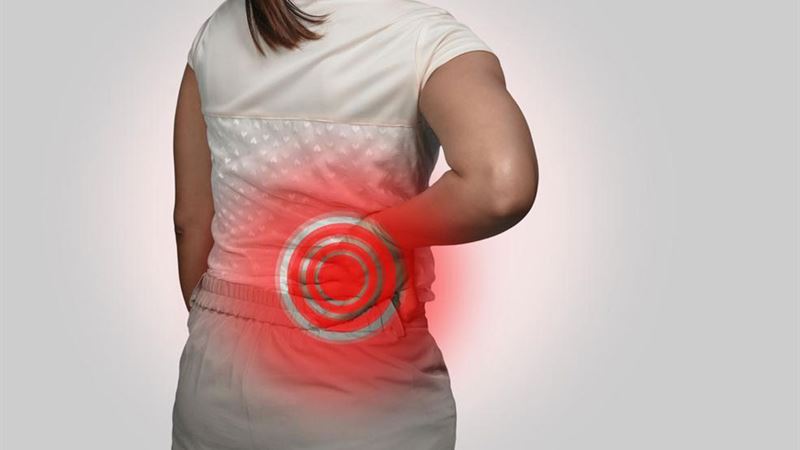
Experiencing sciatic nerve pain can be both uncomfortable and debilitating. Many individuals describe the sensation as a dull ache that can escalate into a fiery burning sensation, accompanied by tingling, numbness, and even muscle weakness. The pain often worsens with prolonged sitting, standing, or physical activity, making daily routines challenging. Managing sciatica involves a combination of interventions, including home remedies, medications, physical therapy, and in some cases, surgical procedures. Understanding these options can help you choose the most suitable approach to relieve pain and restore mobility.
Dealing with sciatic nerve pain requires a strategic approach tailored to the severity of symptoms. Mild discomfort may respond well to conservative measures, whereas more intense pain might necessitate medical intervention. The most common management strategies include applying heat or cold therapy, taking prescribed medications, engaging in targeted exercises, and exploring natural remedies. Each treatment method plays a significant role in alleviating symptoms and improving quality of life.
**Physical Therapy and Stretching Exercises**
Physical therapy remains one of the most effective non-invasive treatments for sciatica. A skilled therapist designs customized routines focused on gentle stretching and strengthening of the lower back and leg muscles. These exercises help improve posture, reduce pressure on the sciatic nerve, and promote healing. Regular stretching of the lower back, hamstrings, and glutes can naturally soothe sciatic pain and prevent future flare-ups. For instance, simple hamstring stretches or pelvic tilts can make a noticeable difference in symptom management and functional mobility.
Physical therapy remains one of the most effective non-invasive treatments for sciatica. A skilled therapist designs customized routines focused on gentle stretching and strengthening of the lower back and leg muscles. These exercises help improve posture, reduce pressure on the sciatic nerve, and promote healing. Regular stretching of the lower back, hamstrings, and glutes can naturally soothe sciatic pain and prevent future flare-ups. For instance, simple hamstring stretches or pelvic tilts can make a noticeable difference in symptom management and functional mobility.
**Incorporating Moderate Movement Like Short Walks**
While rest might seem tempting, it's often counterproductive in sciatic pain management. Gentle, short walks encourage circulation, decrease inflammation, and promote healing. Walking with proper posture minimizes the risk of aggravating the nerve and helps maintain flexibility. Precautions include avoiding overexertion and stopping exercise if pain worsens. It’s crucial to listen to your body and consult healthcare professionals about appropriate activity levels. Overall, consistent mild activity is beneficial in reducing sciatic discomfort.
While rest might seem tempting, it's often counterproductive in sciatic pain management. Gentle, short walks encourage circulation, decrease inflammation, and promote healing. Walking with proper posture minimizes the risk of aggravating the nerve and helps maintain flexibility. Precautions include avoiding overexertion and stopping exercise if pain worsens. It’s crucial to listen to your body and consult healthcare professionals about appropriate activity levels. Overall, consistent mild activity is beneficial in reducing sciatic discomfort.
**Rest and Proper Resting Environment**
Contrary to common belief, prolonged bed rest can worsen sciatica symptoms. Instead, aim for brief periods of rest with adequate support. Use a firm mattress placed on the floor to prevent sagging that can strain your spine further. Resting should be balanced with gentle movement, and avoiding long periods in sitting or lying positions is recommended. Proper rest complements other treatments and enhances recovery, especially during acute phases of pain.
Contrary to common belief, prolonged bed rest can worsen sciatica symptoms. Instead, aim for brief periods of rest with adequate support. Use a firm mattress placed on the floor to prevent sagging that can strain your spine further. Resting should be balanced with gentle movement, and avoiding long periods in sitting or lying positions is recommended. Proper rest complements other treatments and enhances recovery, especially during acute phases of pain.
**Hot and Cold Therapy**
Applying hot or cold packs to the lower back can significantly reduce pain and inflammation. Cold packs are most effective during the initial days post-pain onset, constricting blood vessels and numbing nerve endings. After the first few days, heat packs stimulate blood flow, relax tense muscles, and promote healing. Alternating between cold and heat therapies, applied for 15-20 minutes each, can provide remarkable relief. Always insulate packs with a cloth to prevent skin irritation, and avoid directly placing ice or heat on the skin.
Applying hot or cold packs to the lower back can significantly reduce pain and inflammation. Cold packs are most effective during the initial days post-pain onset, constricting blood vessels and numbing nerve endings. After the first few days, heat packs stimulate blood flow, relax tense muscles, and promote healing. Alternating between cold and heat therapies, applied for 15-20 minutes each, can provide remarkable relief. Always insulate packs with a cloth to prevent skin irritation, and avoid directly placing ice or heat on the skin.
**Medications for Sciatica Relief**
Pharmacological treatment is essential, especially in severe cases. Over-the-counter pain relievers such as NSAIDs (ibuprofen, naproxen) help reduce inflammation and alleviate pain. For persistent or intense pain, doctors may prescribe muscle relaxants, especially when muscle spasms are involved. Antidepressants like amitriptyline are sometimes recommended for chronic nerve pain. In cases of significant disc herniation or nerve compression, corticosteroid injections near the affected nerve root can offer rapid relief. It’s crucial to consult your healthcare provider to select the appropriate medication based on your condition, age, and medical history, including considerations for children and possible side effects.
Pharmacological treatment is essential, especially in severe cases. Over-the-counter pain relievers such as NSAIDs (ibuprofen, naproxen) help reduce inflammation and alleviate pain. For persistent or intense pain, doctors may prescribe muscle relaxants, especially when muscle spasms are involved. Antidepressants like amitriptyline are sometimes recommended for chronic nerve pain. In cases of significant disc herniation or nerve compression, corticosteroid injections near the affected nerve root can offer rapid relief. It’s crucial to consult your healthcare provider to select the appropriate medication based on your condition, age, and medical history, including considerations for children and possible side effects.
**Exploring Alternative and Complementary Therapies**
Many individuals turn to alternative therapies to manage sciatica naturally. Techniques such as acupuncture can stimulate nerve pathways, reduce inflammation, and alleviate pain. Massage therapy relaxes tense muscles and improves circulation, aiding recovery. Yoga offers gentle stretching and strengthening exercises that enhance flexibility and posture, facilitating nerve decompression. Biofeedback helps patients gain control over muscle tension and pain perception. While these therapies may not replace conventional treatments, they serve as effective adjuncts to comprehensive sciatica management.
Many individuals turn to alternative therapies to manage sciatica naturally. Techniques such as acupuncture can stimulate nerve pathways, reduce inflammation, and alleviate pain. Massage therapy relaxes tense muscles and improves circulation, aiding recovery. Yoga offers gentle stretching and strengthening exercises that enhance flexibility and posture, facilitating nerve decompression. Biofeedback helps patients gain control over muscle tension and pain perception. While these therapies may not replace conventional treatments, they serve as effective adjuncts to comprehensive sciatica management.
**Surgical Interventions for Refractory Cases**
When conservative methods fail to provide relief after several months, surgery may be considered. Approximately 5-10% of individuals with sciatica opt for surgical procedures to address persistent symptoms. Surgery is particularly crucial if neurological deficits, such as loss of bowel or bladder control, develop, indicating a severe compression known as cauda equina syndrome. Common surgical options include discectomy, where the problematic disc material pinching the nerve is removed; laminectomy, involving removal of part of the lamina to relieve pressure; and in rare cases, spinal fusion. The decision for surgery depends on factors like the severity of nerve compression, overall health, and impact on daily life.
When conservative methods fail to provide relief after several months, surgery may be considered. Approximately 5-10% of individuals with sciatica opt for surgical procedures to address persistent symptoms. Surgery is particularly crucial if neurological deficits, such as loss of bowel or bladder control, develop, indicating a severe compression known as cauda equina syndrome. Common surgical options include discectomy, where the problematic disc material pinching the nerve is removed; laminectomy, involving removal of part of the lamina to relieve pressure; and in rare cases, spinal fusion. The decision for surgery depends on factors like the severity of nerve compression, overall health, and impact on daily life.
Sciatica treatment plans are highly individualized, combining multiple approaches based on symptoms' severity and response to initial therapies. A multidisciplinary healthcare team can help guide effective management strategies to restore comfort, function, and mobility. Whether through conservative remedies or surgical intervention, proper diagnosis and tailored treatment can significantly improve outcomes and quality of life for those suffering from sciatic nerve pain.