
Comprehensive Guide to Effective Shingles Treatments and Relief Strategies
Discover comprehensive treatment options for shingles, including antiviral medications, topical ointments like Zovirax and Licrogel, natural remedies, and lifestyle tips to alleviate pain and promote healing. Learn about early intervention strategies, preventive measures such as vaccination, and when to seek medical advice to prevent complications and ensure effective management of shingles symptoms.
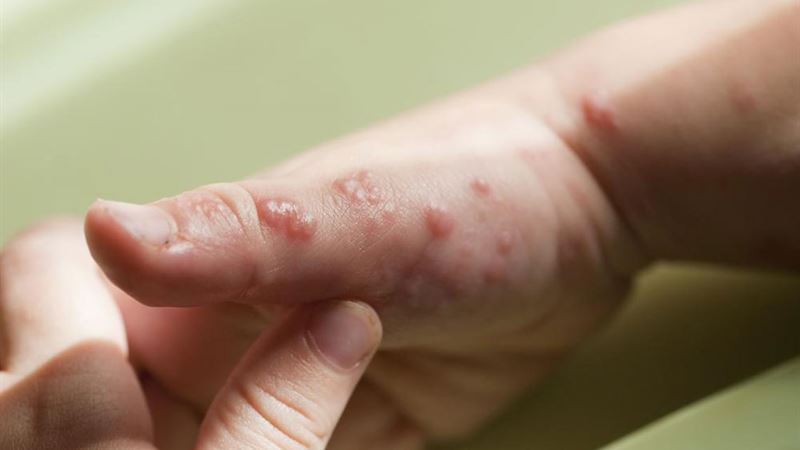
Understanding Shingles and Its Impact
Shingles manifests as a painful rash, often accompanied by itching, burning sensations, and nerve pain. It's particularly common among older adults and immunocompromised individuals. The rash usually appears on one side of the body or face and can lead to complications such as postherpetic neuralgia, a chronic pain condition that persists even after the rash heals. Early intervention and appropriate treatment are critical to managing symptoms and preventing long-term issues.
Antiviral Medications: The Cornerstone of Shingles Treatment
Antiviral drugs form the foundation of shingles management. Medications like acyclovir, valacyclovir, and famciclovir can significantly reduce the severity and duration of symptoms when administered promptly after symptom onset. These drugs work by inhibiting viral replication, thereby helping the immune system contain the infection more effectively. It is essential to start antiviral therapy within 72 hours of rash appearance for maximum benefit. Always consult a healthcare provider for appropriate medication and dosage.
Topical Ointments and Creams for Symptom Relief
Besides systemic antiviral therapy, topical treatments Play a vital role in soothing the skin and easing discomfort. Several ointments and creams are available over the counter or by prescription, each tailored to specific symptoms and skin conditions.
- Zovirax (Acyclovir) Ointment: This popular antiviral topical contains acyclovir, a powerful agent that helps heal shingles lesions and prevents virus spread. It is typically applied directly to the affected areas every three hours, six times daily, for about a week. Proper hygiene is crucial; applying the ointment with clean hands or gloves minimizes the risk of spreading the virus. Avoid contact with eyes and other sensitive areas during application.
- Licrogel: Derived from licorice root extract, Licrogel possesses natural antiviral properties. Available as a gel or capsule, it is effective against shingles skin lesions and other viral skin infections. Applying Licrogel directly to the affected skin can help control varicella-virus activity and promote healing. Its natural composition makes it a favorable option for those seeking herbal or alternative remedies.
- Capsaicin Cream: Made from hot peppers, capsaicin is known for its ability to block nerve pain signals. Used mainly for postherpetic neuralgia, it can reduce residual nerve pain after shingles resolution. Applying a small amount of capsaicin cream several times daily can provide significant relief from burning and shooting pains. However, it should be used cautiously, as it may cause a burning sensation initially.
Homeopathic and Natural Remedies
In addition to conventional medicine, many individuals explore homeopathic approaches to manage shingles symptoms. These remedies aim to stimulate the body's self-healing mechanisms and reduce discomfort caused by blisters and nerve pain.
- Homeopathic Treatments: Common remedies include cantharis, Rhus toxicodendron, graphites, hypericum, and Arsenicum album. Consulting a qualified homeopathic doctor can help determine the most appropriate treatment based on individual symptoms and overall health. These solutions can be used alone or in conjunction with other therapies.
- Herbal and Natural Therapies: Incorporating herbal infusions, topical herbal compresses, or dietary supplements like echinacea and turmeric may support immune function. Always seek professional advice before starting herbal treatments, especially if you are on other medications.
Comfort Measures and Symptom Management
Managing shingles isn't solely about medication; lifestyle adjustments and home remedies play a significant role in alleviating discomfort.
- Soothing Bath Treatments: Soaking in lukewarm water enriched with colloidal oatmeal or cornstarch can soothe irritated skin. Use about two cups of either ingredient per bath and soak for approximately 20 minutes. Hot water should be avoided, as it can aggravate inflammation and discomfort.
- Cold Compresses: Applying a cool, moist cloth to the affected skin can help reduce itching and pain. Repeat several times a day as needed. Ensure the cloth is cold but not frozen, and wring out excess water to prevent dampness that could exacerbate the rash.
Preventive Strategies and When to See a Doctor
While many treatments help manage shingles, prevention remains key. The shingles vaccine is highly effective in reducing the risk of developing the disease and its complications. It is recommended for adults over the age of 50, especially those with weakened immune systems.
If symptoms worsen, become uncontrollable, or signs of secondary infection occur, such as increased redness, pus, or fever, seek medical attention promptly. Early diagnosis and treatment are critical to preventing long-lasting nerve pain and other complications.
In conclusion, managing shingles involves a combination of antiviral medications, topical ointments, natural remedies, and lifestyle adjustments. Always consult healthcare professionals to tailor a treatment plan suited to your specific needs. With proper management, most individuals can reduce symptoms significantly and recover more comfortably.