
Comprehensive Guide to Effective Treatments for Excessive Sweating
Discover a detailed overview of effective hyperhidrosis treatments, from natural remedies and topical solutions to advanced medical procedures like Botox, Miradry, laser therapy, and surgery. This comprehensive guide helps you understand options suited for different severity levels, ensuring personalized management plans to improve comfort and confidence. Consult healthcare providers for tailored treatment solutions and find relief from excessive sweating today.
Antiperspirants and Their Role in Managing Excessive Sweating
Antiperspirants are among the first lines of defense against hyperhidrosis. These products not only neutralize unpleasant odors caused by sweat but also actively block sweat glands beneath your skin, reducing sweat production. Their convenience makes them popular for everyday use. The active ingredients, typically aluminum-based compounds, create a temporary plug within the sweat ducts, preventing sweat from reaching the skin surface. This process helps keep underarms, palms, or even the forehead dry and odor-free.
Over-the-counter (OTC) antiperspirants are readily available and can be used both during the day and before bedtime to maximize effectiveness. For mild to moderate hyperhidrosis, they often provide satisfactory relief. However, in cases of severe hyperhidrosis, OTC options may fall short.
In such circumstances, prescription-strength antiperspirants containing higher concentrations of aluminum salts are recommended. Consultation with a dermatologist is advisable to identify the most appropriate formulation based on your specific symptoms. Prescription options tend to be more potent and capable of delivering measurable improvements for persistent excessive sweating.
It’s important to note that individuals with skin sensitivities should be cautious and seek medical advice before trying stronger formulations, as they could cause irritation or allergies. Proper application techniques, including applying to dry skin and avoiding irritation-prone areas, are vital for optimal results.
In instances where antiperspirants prove ineffective, especially in severe cases, exploring other treatment options becomes necessary. Nonetheless, these simple measures serve as a fundamental and accessible starting point for managing hyperhidrosis.
Medical Solutions: Prescription Antiperspirants and Pharmacological Interventions
When OTC antiperspirants do not provide sufficient relief, healthcare professionals might recommend prescription-strength antiperspirants. These contain higher concentrations of active ingredients like aluminum chloride hexahydrate, which more effectively block sweat glands temporarily. Such formulations are especially beneficial for patients with severe or persistent hyperhidrosis. It is essential to follow a healthcare provider’s instructions for application and usage to avoid skin irritation or other adverse effects.
Beyond topical options, systemic medications like anticholinergic drugs are sometimes prescribed. These oral medications function by interfering with the nerve signals that stimulate sweat glands, thereby reducing overall sweating. Although they can be quite effective, they are associated with potential side effects such as dry mouth, blurred vision, urinary retention, and constipation. As a result, they are typically reserved for short-term or episodic use under medical supervision.
Long-term use of anticholinergic drugs is generally discouraged due to their side effects, especially in elderly patients or those with pre-existing health conditions. Patients considering this route should consult their healthcare provider to understand the risks and benefits fully.
It is also important to have regular follow-up appointments to monitor any adverse effects and to determine whether adjustments to the treatment plan are necessary. The choice of medication is highly individualized, depending on the severity of symptoms, patient health status, and response to initial treatments. The goal is to strike a balance between efficacy and safety to maximize comfort and quality of life.
Iontophoresis: A Non-Invasive Approach to Controlling Excessive Sweating
Iontophoresis is a minimally invasive procedure that is specifically effective for hyperhidrosis affecting the hands and feet. In this method, the affected parts are immersed in water while a gentle, controlled electrical current passes through the skin via electrodes. This process temporarily deactivates the sweat glands, providing relief from excessive perspiration. Typically, multiple sessions over several weeks are required to achieve noticeable results, with ongoing maintenance sessions scheduled as needed.
The procedure is generally considered safe, but certain precautions are necessary. It is contraindicated for individuals with pacemakers or other electronic implants, as well as pregnant women and those with epilepsy or heart issues. Proper skin care before and after the sessions is essential to prevent irritation or discomfort.
For patients with focal hyperhidrosis, especially involving the palms or soles, iontophoresis offers an excellent non-invasive alternative to drugs or surgery. It can be performed in outpatient clinics, making it accessible and convenient for many patients. The main disadvantage is the need for regular sessions to sustain the benefits, which may be inconvenient for some individuals. Nonetheless, iontophoresis remains one of the most effective conservative treatments for localized hyperhidrosis, with minimal risk and discomfort.
Botox Injections: An Effective Option for Severe Cases
Botulinum toxin type A, commonly known as Botox, is more widely recognized for its cosmetic benefits, but it also provides a potent treatment for hyperhidrosis. When injected into hyperactive sweat glands in areas such as the underarms, palms, or soles, Botox temporarily blocks the nerve signals responsible for activating sweat production. The effects typically last for 4 to 6 months, requiring repeat injections to maintain dryness.
The procedure is minimally invasive, performed in outpatient settings, and generally well-tolerated. Multiple injections are administered over several visits, with each session taking about 30 minutes. Patients often notice significant reduction in sweating, resulting in increased comfort and confidence.
Although considered safe, Botox injections may cause localized pain, swelling, or minor bruising at the injection sites. Less common side effects include weakness in nearby muscles or discomfort during activities involving the treated area. It’s important to have the procedure performed by an experienced healthcare provider to minimize risks.
For many patients with hyperhidrosis unresponsive to topical treatments or medications, Botox offers a highly effective, non-surgical alternative. Its temporary nature can be advantageous, allowing patients to evaluate the results and decide on ongoing treatment plans.
Miradry System: A Revolutionary Non-Surgical Solution
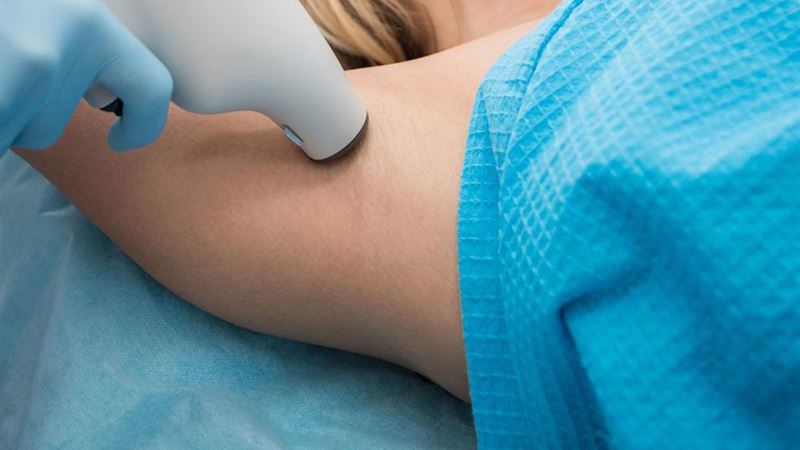
Miradry is an innovative non-invasive device specifically designed to eliminate sweat glands in the axillary region through controlled electromagnetic energy. During the procedure, a device is placed in the underarm area, delivering targeted energy that destroys sweat and odor-producing glands. The process is generally completed in a single session, with some cases requiring a follow-up. Post-treatment discomfort, including swelling or temporary numbness, may occur but typically resolve quickly.
The Miradry system offers long-lasting results by permanently reducing sweat production. It is particularly suitable for patients seeking a non-surgical alternative to traditional surgeries like sympathectomy. However, it is currently limited to the underarm area due to the specificity of the system.
The procedure is safe, minimally painful, and has a quick recovery time, making it an appealing choice for many who want to avoid invasive surgery. As with any medical procedure, a detailed consultation with a specialist is necessary to determine suitability and expectations.
Laser Therapy: Precision Destruction of Sweat Glands
Laser treatment for hyperhidrosis targets the sweat glands located just beneath the skin. Using specialized laser equipment, a healthcare provider directs a focused beam of energy towards the affected area, causing thermal destruction of excess sweat glands. This minimally invasive technique can be used for mild to severe hyperhidrosis cases and offers a permanent reduction in sweat production when successful.
The procedure is typically performed under local anesthesia and involves small incisions or punctures to access the target area. Patients may experience discomfort during the treatment, but recovery is usually swift. The main advantage of laser therapy is its precision, which minimizes damage to surrounding tissues and reduces the risk of complications.
Suitable for localized hyperhidrosis, laser therapy provides a long-term solution with minimal downtime. Results vary among individuals and depend on the skill of the practitioner. It’s especially popular for treating underarm hyperhidrosis due to the accessible location and favorable outcomes.
Endoscopic Thoracic Sympathectomy (ETS): Surgical Intervention for Refractory Cases
ETS is a more invasive surgical method reserved for severe hyperhidrosis cases that do not respond to conservative therapies. The operation involves making small incisions between the ribs to access the sympathetic nerves responsible for stimulating sweat glands, particularly in the underarm area. These nerves are then clipped, cut, or cauterized to interrupt nerve signals, significantly reducing sweating.
While ETS can provide dramatic relief, it is associated with notable risks such as compensatory sweating—excessive sweating occurring in other parts of the body—post-surgery. Patients should undergo thorough counseling regarding potential side effects before committing to this procedure.
The surgery's success rate is high, but it requires expert surgical expertise and careful patient selection. Candidates should have exhausted non-surgical options and be prepared for possible side effects and the need for long-term follow-up.
This intervention is generally recommended only in severe, life-disrupting hyperhidrosis where quality of life is profoundly affected. For suitable candidates, ETS can be life-changing but must be approached with caution and comprehensive medical guidance.
Localized Surgical Procedures: Focused Treatment for Specific Areas
For hyperhidrosis confined to specific regions, localized surgical interventions can be highly effective. These procedures include excision or removal of sweat glands, nerve block, or endoscopic treatments targeting the overactive areas. Compared to extensive surgeries like ETS, localized surgeries present fewer risks and shorter recovery times. They are ideal for focal hyperhidrosis affecting only the palms, soles, or underarms.
The choice of surgical method depends on the affected region, severity, and patient preferences. Usually performed under local anesthesia, these procedures aim to reduce hyperhidrosis symptoms promptly and efficiently. Postoperative care involves managing any discomfort, preventing infection, and monitoring for recurrence.
Consultation with a qualified specialist is crucial to determine the most suitable surgical approach, ensuring safety and effectiveness. With proper planning, localized surgeries offer a promising solution for those seeking targeted relief from excessive sweating.
In summary, managing hyperhidrosis involves a spectrum of options—from simple lifestyle adjustments to advanced medical and surgical interventions. The choice of treatment depends on severity, affected areas, patient health, and personal preferences. Always consult an experienced healthcare professional to formulate the most appropriate plan tailored to your needs and goals. With modern advancements, many individuals achieve significant relief, restoring comfort, confidence, and a better quality of life.