
Comprehensive Guide to Effective Management of Keratosis Pilaris
This comprehensive guide explores effective methods to manage keratosis pilaris, including skincare routines, dietary tips, and medical treatments. Learn how to reduce bumps and improve skin texture through proven strategies and lifestyle modifications, ensuring healthier and smoother skin for lasting confidence.
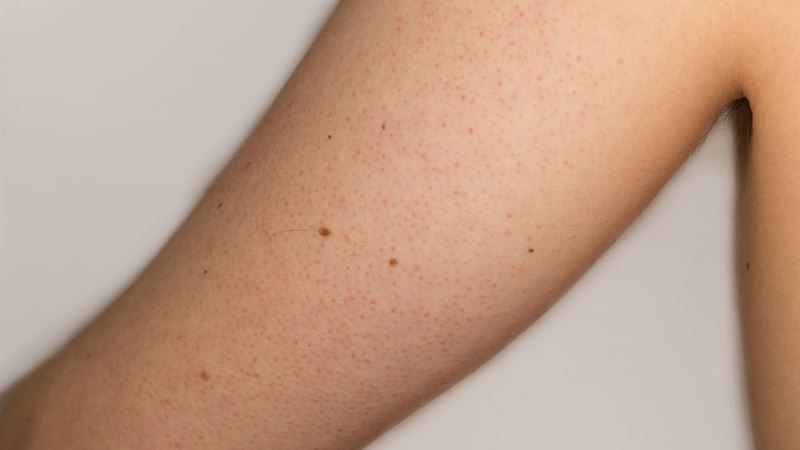
Keratosis pilaris is a common skin condition characterized by rough, small bumps that typically appear on the arms, thighs, cheeks, or buttocks. At its core, it results from the buildup of keratin—a protein in the skin—that forms plugs within hair follicles. While the precise cause remains elusive, certain factors contribute to its development, including skin dryness, genetic predispositions, and environmental influences. This article provides an in-depth exploration of the various management strategies, treatments, and lifestyle modifications to help alleviate symptoms and promote healthier skin.
Understanding Keratosis Pilaris and Its Causes
Keratosis pilaris manifests as tiny, rough bumps that resemble goosebumps or chicken skin. These bumps are caused by excess keratin, a natural protein that protects the skin from infections and environmental damage. When keratin accumulates excessively, it blocks hair follicles, leading to the formation of clogged plugs. These plugs appear as small, rough, skin-colored or red bumps and are often accompanied by dry, rough patches of skin. Despite being harmless, keratosis pilaris can be cosmetically distressing, prompting many seeking effective treatment options.
While the exact triggers remain under investigation, several factors are known to influence the severity and occurrence of keratosis pilaris:
- Genetic predisposition—family history can increase susceptibility.
- Drier skin conditions—especially prevalent during winter months or in dry climates.
- Environmental factors—exposure to harsh soaps, chemicals, or extreme weather conditions.
- Underlying health conditions—such as eczema or atopic dermatitis, which may exacerbate symptoms.
Role of Skin Hydration and Nutrition
Maintaining optimal skin hydration is fundamental in managing keratosis pilaris. Skin that is well-moisturized tends to be less prone to keratin buildup and roughness. Incorporating omega-3 fatty acids into your diet can significantly benefit skin health. Rich sources include fatty fish like salmon, mackerel, sardines, and tuna, as well as plant-based options such as flaxseeds, walnuts, and soybeans. These nutrients help strengthen the skin's natural barrier, reduce inflammation, and promote moisture retention.
Additionally, a diet high in leafy greens and colorful vegetables provides essential vitamins and antioxidants that support skin repair and immune function. Adequate hydration, achieved through drinking plenty of water daily, complements topical treatments by ensuring your skin remains supple and less prone to dryness.
Dietary Factors and Skin Flare-Ups
Conversely, certain foods might aggravate keratosis pilaris. Dairy products, known for their inflammatory potential in some individuals, could trigger flare-ups or worsen existing bumps. Monitoring dietary habits and reducing intake of dairy might offer relief in certain cases. Moreover, limiting processed foods and excessive sugar—both of which can promote inflammation—can help lessen skin irritation.
Choosing the Right Skin Care Products
Selecting appropriate skin care products is crucial in managing keratosis pilaris effectively. Scented soaps, lotions, and body washes containing artificial fragrances can irritate sensitive skin and exacerbate symptoms. Opt for fragrance-free cleansers and moisturizers, preferably formulated for sensitive skin. Always avoid hot water when bathing, opting instead for lukewarm temperatures to prevent dehydration of the skin. Keep baths short, ideally under seven minutes, and pat the skin dry gently without vigorous rubbing.
Effective Topical Treatments for Keratosis Pilaris
Topical therapies play a vital role in reducing keratin buildup and smoothing the skin surface:
- Keratolytic Agents: OTC products containing lactic acid, urea, or glycerin assist in breaking down the keratin plugs. Regular use of these can soften the bumps and improve skin texture. It’s advisable to consult a dermatologist before initiating use, especially for sensitive skin.
- Chemical Exfoliants: These include alpha-hydroxy acids (AHAs) like glycolic acid and lactic acid, which facilitate gentle exfoliation. They help unclog follicles and promote the growth of healthy skin cells. Daily application over several weeks often yields visible improvements.
- Retinoids: Prescription retinoids like tretinoin (Retin-A) and tazarotene enhance cell turnover, preventing follicle blockage. These are particularly useful for persistent cases but must be used under medical supervision to avoid skin irritation. Pregnant or breastfeeding women should avoid retinoids due to potential risks.
Laser and Advanced Procedures
For severe cases involving persistent redness or inflammation, laser treatments might offer relief. Laser therapy aims to reduce redness and improve skin texture by targeting problematic blood vessels or thickened skin. However, there’s limited conclusive evidence regarding their long-term efficacy for keratosis pilaris, and multiple sessions may be necessary. Consulting a qualified dermatologist can help determine if this option is suitable for your condition.
Essential Skin Care Tips and Lifestyle Modifications
Beyond topical medications and treatments, adopting a gentle skin care routine and lifestyle changes can significantly improve the condition:
- Avoid scratching or rubbing the skin to prevent inflammation and scarring.
- Use soft, non-abrasive towels to dry your skin, and apply moisturizers immediately after bathing while the skin is still slightly damp.
- Choose thick, emollient-rich moisturizers containing ingredients like shea butter, ceramides, or glycerin, and apply generously throughout the day.
- Incorporate humidifiers in your living space to add moisture to dry air, which benefits skin hydration, especially during colder months.
- Wear loose-fitting, breathable clothing to minimize friction and skin irritation.
Is There a Permanent Cure? Managing Expectations
Unfortunately, keratosis pilaris is considered a chronic condition with no definitive cure. The goal of treatment is to manage symptoms, reduce the appearance of bumps, and improve skin texture. Consistency with skincare routines, healthy diet, and lifestyle adjustments remain crucial. Many individuals notice that bumps tend to diminish over time, especially with proper care, but they may not disappear entirely.
Psychological Impact and Self-Acceptance
While cosmetic concerns are valid, it’s important to recognize that keratosis pilaris is a benign skin condition. Maintaining a positive attitude and practicing self-acceptance can help alleviate emotional distress. Remember, everyone has unique skin characteristics, and imperfections do not define beauty or self-worth. Patience and persistent care will gradually improve your skin’s appearance, increasing confidence over time.
In summary, managing keratosis pilaris involves a combination of gentle skin care, dietary considerations, topical treatments, and lifestyle habits. Consulting a dermatologist is recommended to develop a personalized treatment plan tailored to your specific needs. With time, patience, and proper skin care, you can achieve smoother, healthier skin and regain confidence in your appearance.