
Comprehensive Guide to Diagnosing and Managing Plantar Fasciitis
This comprehensive guide offers insight into diagnosing and managing plantar fasciitis, emphasizing lifestyle adjustments, therapeutic options, and preventive measures. Learn how to alleviate heel pain, improve foot health, and avoid recurrence through effective treatments and proper footwear choices, backed by professional advice.
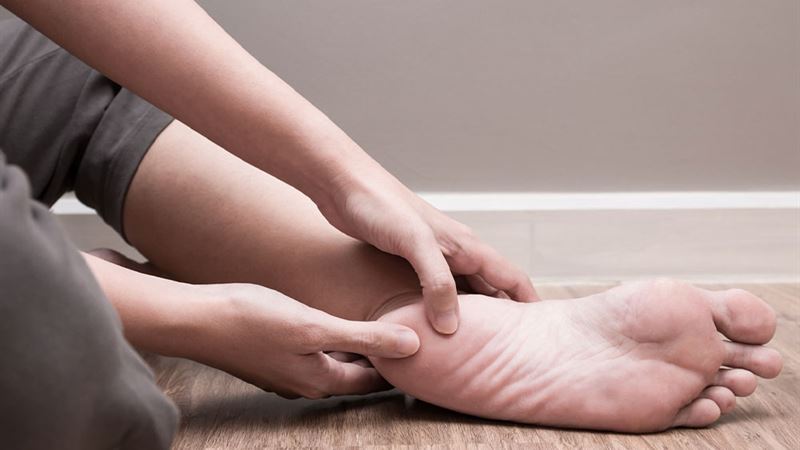
- Overuse and repetitive strain from activities like running, jumping, or standing for long periods
- Poor footwear lacking proper arch support or cushioning
- Excess weight that increases pressure on the heel and arch
- Structural foot abnormalities such as high arches or flat feet
- Inadequate warm-up or stretching before physical activity
Diagnosing plantar fasciitis involves a combination of patient history, physical examination, and sometimes imaging tests. Healthcare professionals will inquire about your activity levels, footwear habits, and pain patterns. During examination, they assess tenderness along the sole of the foot, especially near the heel, and check for swelling or deformities. To confirm the diagnosis, imaging tests like ultrasound or MRI can be performed to rule out other causes such as heel spurs or stress fractures.
Addressing plantar fasciitis requires a multifaceted approach. Combining self-care measures with professional medical advice yields the best results. The primary goals are to reduce inflammation, relieve pain, and restore normal foot mechanics.
1. Rest and Avoidance of Aggravating Activities
Prevent further injury by limiting activities that exert pressure on the heel, such as running or prolonged standing. Resting minimizes stress on the plantar fascia, allowing tissue recovery. Use crutches if necessary, and consider immobilization with a soft cast in severe cases.
2. Proper Footwear Selection
Wearing shoes that provide adequate arch support and cushioning is crucial. Opt for footwear with a firm heel counter and built-in arch support. Custom orthotic insoles designed by podiatrists can offer tailored relief by redistributing pressure and supporting the foot’s natural arch, decreasing strain on the plantar fascia.
3. Application of Ice Therapy
Applying ice packs to the affected heel reduces inflammation and alleviates pain. Wrap an ice pack in a cloth and apply it to the heel for 15-20 minutes several times a day, especially after activity. Cold therapy constricts blood vessels, decreasing swelling and soothing irritated tissues. Alternating between hot and cold treatments can also be beneficial, enhancing blood flow and relaxation of tight muscles.
4. Pharmacological Interventions
Non-steroidal anti-inflammatory drugs (NSAIDs), such as ibuprofen or naproxen, can effectively manage pain and reduce inflammation. However, they should be used under medical supervision to avoid side effects. In some cases, corticosteroid injections into the heel may be recommended for persistent pain, but these should be administered cautiously to prevent tissue damage.
5. Physical Therapy and Stretching Exercises
Engaging in physical therapy can significantly improve heel pain. Therapists often recommend specific stretching exercises targeting the Achilles tendon and plantar fascia to enhance flexibility and reduce tension. Regular stretching routines help maintain the elasticity of affected tissues, preventing recurrence.
6. Night Splints and Immobilization
Wearing night splints keeps the foot in dorsiflexion during sleep, preventing the plantar fascia from tightening overnight. This early intervention can reduce morning pain and stiffness. Additionally, some patients benefit from heel cushions or pads that absorb shock during walking.
7. Managing Weight and Lifestyle Modifications
Losing excess weight decreases pressure on the heel, alleviating symptoms. Incorporate a healthy diet and regular low-impact exercise, like swimming or cycling, to promote weight loss without overstressing the feet.
8. Surgical Options
In cases where conservative treatments fail after several months, surgical interventions may be necessary. Procedures include plantar fascia release or removal of heel spurs. These are typically performed by specialized orthopedic surgeons, and thorough evaluation is essential before opting for surgery.
Alongside medical treatments, several home remedies can support healing and prevent recurrence.
- Stretching and Flexibility Exercises Regularly stretch your calves and Achilles tendons to relieve tension on the plantar fascia. Simple routines like calf raises and towel stretches are effective and easy to incorporate into daily life.
- Use of Orthotic Devices Custom or over-the-counter insoles provide additional support, cushioning, and shock absorption, minimizing stress on the heel.
- Massaging the Heel and Foot Gentle massage with a tennis ball or foam roller increases blood flow and reduces muscle tightness.
- Maintaining a Healthy Weight Balanced nutrition and consistent physical activity help manage weight and avoid adding undue pressure on the heels.
- Proper Warm-up and Cool-down Always warm up properly before exercise and cool down afterward to prevent muscle strain.
Prevention is always better than cure. To minimize the risk of developing plantar fasciitis, consider the following measures:
- Choose footwear that offers significant arch support and cushioning during daily activities.
- Avoid excessive running or jumping on hard surfaces without proper shock absorption gear.
- Maintain a healthy body weight to reduce unnecessary stress on the foot.
- Perform regular stretching and strengthening exercises for the calves and foot muscles.
- Replace worn-out shoes regularly to ensure ongoing support and protection.
Plantar fasciitis is a widespread but manageable condition. Early diagnosis, appropriate treatment, and lifestyle modifications can lead to significant improvement and long-term relief. Understanding the underlying causes and adhering to recommended strategies can restore your foot health, allowing you to resume daily activities pain-free. Remember, consulting healthcare professionals is essential for personalized treatment plans, especially if symptoms persist or worsen. With patience and proper care, you can effectively combat heel pain and prevent future episodes.