
Superfoods for Heart Health: Nutrient-Rich and Calorie-Dense Options
Explore a comprehensive list of nutritious, high-calorie foods vital for maintaining a healthy heart. From omega-3 rich fish and fiber-packed grains to vitamin C-rich citrus fruits and plant-based soy options, this guide highlights how incorporating these superfoods into your diet can significantly improve cardiovascular wellness.
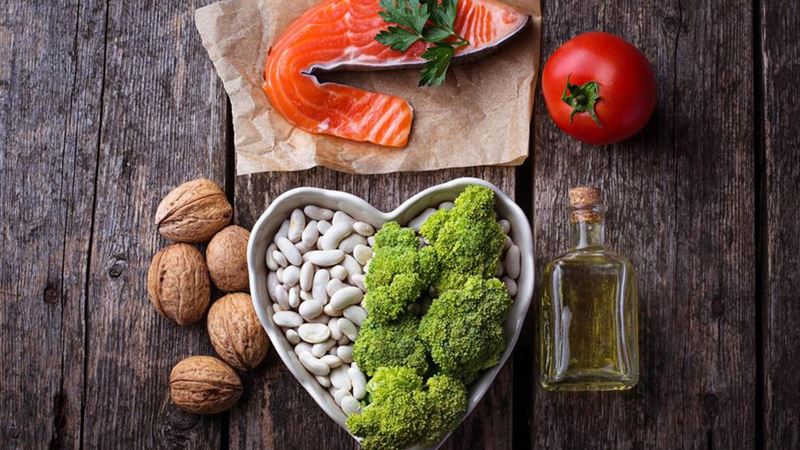
- Seafood, particularly oily fish such as salmon, mackerel, sardines, and trout, are exemplary sources of high-quality protein and essential nutrients. Rich in omega-3 fatty acids, these fish are scientifically proven to reduce the risk of cardiovascular diseases, including heart attacks and strokes. A typical serving of just 110 grams of fish provides around 110 to 140 calories, contains 20 to 25 grams of protein, and has a minimal fat content of 1 to 5 grams. Incorporating fish into your diet regularly can significantly enhance heart health.
- Whole grains including oats, brown bread, whole wheat pasta, and other unrefined cereal products are packed with soluble fiber, which plays a key role in lowering bad cholesterol (LDL) levels. These calorie-dense foods promote satiety and help maintain a stable blood sugar level, making them a vital component of heart-healthy eating habits.
- Citrus fruits like oranges, grapefruits, lemons, and pomelos are exceptional sources of vitamin C, vital for maintaining arteries and reducing inflammation. Besides boosting the immune system, their high antioxidant content helps combat oxidative stress, a major contributor to cardiovascular disease. Regular inclusion of these fruits in a balanced diet offers numerous health advantages and supports overall heart wellness.
- Soy-based products such as soybeans, soy milk, tofu, soy nut butter, and soy cheese offer a wealth of health benefits. Rich in plant-based protein and heart-friendly omega-3 fatty acids, they provide high nutritional value without contributing to cholesterol or saturated fats. A 100-gram serving of raw soybeans contains approximately 36% protein, 20% fat, and 30% carbohydrates, delivering around 446 calories. Frequent consumption of soy can help lower LDL cholesterol levels and reduce cardiovascular risks, especially for individuals with existing heart issues.
While often associated with weight gain due to their high starch content, potatoes are an excellent source of calories and essential nutrients when consumed properly. Potatoes are rich in potassium, vitamin C, and vitamin B6, with minimal fat and sodium content. The health impact of potatoes largely depends on cooking methods; boiling, baking, and steaming retain most nutrients and promote health benefits, whereas deep-frying can introduce unhealthy fats. Moderation and cooking techniques are key factors in harnessing potatoes' nutritional value.
Integrating these nutrient-dense and calorie-rich foods into a heart-healthy diet can provide substantial health benefits. They help maintain optimal cardiovascular function, support energy needs, and reduce the risk of heart disease when included as part of a balanced nutritional plan.