
Effective Natural Strategies to Manage and Alleviate Overactive Bladder Symptoms
Discover comprehensive natural methods for managing overactive bladder, including dietary tips, bladder training, pelvic exercises, herbal remedies, and alternative therapies. Learn how lifestyle modifications can enhance bladder control, reduce symptoms, and improve your overall quality of life through safe, effective strategies.
Overactive bladder (OAB) is a common condition affecting millions worldwide, characterized by sudden urges to urinate, frequent urination, and sometimes incontinence. While medical treatments are available, many individuals prefer to explore natural methods to control and improve their symptoms. This comprehensive guide discusses various natural remedies, lifestyle changes, and therapies that can significantly help manage overactive bladder effectively. Implementing these strategies may reduce reliance on medications and enhance overall quality of life.
- Identifying and Avoiding Trigger Foods
- Ensuring Proper Hydration
- Bladder Training Techniques
- Pelvic Floor Strengthening Exercises (Kegel Exercises)
- Maintaining a Healthy Weight
- Alternative Therapies (Acupuncture & Biofeedback)
- Herbal and Nutritional Supplements
- Addressing Constipation and Bowel Health
Understanding Overactive Bladder and Its Triggers
Overactive bladder is a condition characterized by an urgent need to urinate frequently during the day and often during the night, alongside episodes of involuntary leakage. Although it can affect individuals of all ages, it is more prevalent among older adults, women, and those with certain health conditions. The etiology of OAB involves overactivity or hyper-responsiveness of the bladder muscles, nerve signaling issues, or a combination of these factors.
Recognizing and avoiding foods that aggravate this condition is a crucial step toward symptom relief. Although lifestyle modifications are central to managing OAB, understanding personal triggers is essential because they vary from person to person.
Foods and Beverages That May Worsen Overactive Bladder
Many dietary components can irritate the bladder lining, leading to increased urgency and frequency. Here are some common culprits:
- Spicy Foods: Chili peppers, hot sauces, and spicy seasonings can cause bladder irritation in sensitive individuals. Avoiding these foods can prevent exacerbation of symptoms.
- Caffeine: Found abundantly in coffee, tea, energy drinks, and some sodas, caffeine acts as a diuretic and bladder stimulant. Consuming it in moderation or transitioning to caffeine-free options helps control urgency.
- Citrus Fruits: Fruits like oranges, lemons, limes, and grapefruits have high acidity levels that can irritate the bladder lining, worsening symptoms.
- Carbonated Beverages: Sodas, sparkling water, and energy drinks contain fizz that may increase bladder discomfort or urgency.
- Chocolate: Contains caffeine and theobromine, both of which can stimulate the bladder and aggravate symptoms.
- Tomato Products: Ketchup, pasta sauces, and salsas are acidic and can contribute to bladder irritation.
Natural and Lifestyle Approaches to Managing Overactive Bladder
Hydration and Fluid Management
Maintaining proper hydration is pivotal for bladder health. Many believe that drinking less water reduces urgency; however, dehydration can irritate the bladder lining, leading to increased symptoms. The recommended water intake is about eight glasses daily, distributed evenly throughout the day. Limiting fluid intake before bedtime can reduce nocturnal trips to the bathroom, improving sleep quality.
Bladder Training and Scheduled Voiding
This technique involves progressively increasing the interval between bathroom visits to enhance bladder capacity and control. Start by tracking bathroom trips and gradually add 10-minute increments to the usual intervals. Consistency and patience are key, with noticeable improvements typically seen within a few weeks.
Kegel Exercises for Pelvic Floor Strengthening
Regularly performing pelvic floor exercises, or Kegels, can strengthen the muscles that support the bladder, reducing symptoms of urgency and leakage. To perform Kegels, contract the pelvic muscles for five seconds, then relax for five seconds. Repeating this exercises multiple times daily can lead to significant improvements, especially in early stages of bladder control issues.
Weight Management and Its Impact
Excess body weight can put additional pressure on the bladder and pelvic muscles, contributing to symptoms. Achieving and maintaining a healthy Body Mass Index (BMI) through diet and exercise can alleviate this pressure, restoring better control and reducing urgency.
Alternative Therapies: Acupuncture and Biofeedback
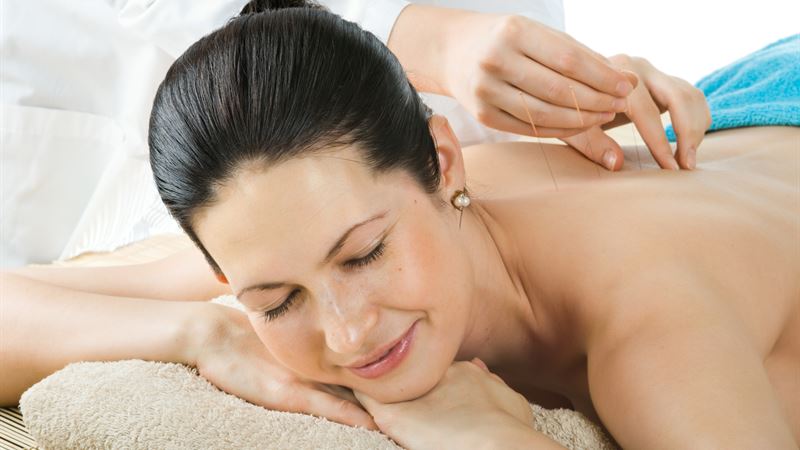
Acupuncture, a traditional Chinese medicine practice, involves inserting fine needles into specific body points to balance energy flow and reduce bladder symptoms. Regular sessions may lead to decreased urgency and frequency. Biofeedback utilizes sensors to monitor muscle activity, helping individuals learn how to control and strengthen their pelvic muscles. These therapies complement lifestyle changes and can be effective in managing OAB.
Herbal and Nutritional Supplements
Natural remedies have gained popularity for bladder health. Consulting healthcare providers before starting any herbal treatment is advised. Some effective options include:
- Gosha-jinki-gan: An herbal formula proven to relieve overactive bladder symptoms.
- Ganoderma lucidum (Reishi mushroom): Supports urinary tract health and reduces inflammation.
- Corn Silk: Traditionally used to soothe bladder irritation.
- Capsaicin: Derived from chili peppers, it can desensitize bladder nerves, decreasing urgency.
- Pumpkin Seeds: Rich in anti-inflammatory compounds that support bladder health.
Dietary Vitamins and Minerals
Ensuring adequate intake of specific nutrients may improve bladder function:
- Vitamin D: Low levels can worsen symptoms; include eggs, fatty fish, fortified foods, and cheese.
- Magnesium: Facilitates muscle relaxation; sources include bananas, spinach, potatoes, and corn.
Managing Bowel Health to Reduce Bladder Pressure
Constipation can exert pressure on the bladder and aggravate symptoms. Consuming a high-fiber diet, staying hydrated, and exercising regularly promote bowel regularity, indirectly supporting bladder function.
Implementing Lifestyle Modifications for Better Control
Living with overactive bladder can be challenging, but adopting comprehensive lifestyle changes can lead to significant improvements:
- Stick to a regular schedule for urination and bladder training.
- Avoid known irritants and trigger foods as identified through personal observation.
- Achieve and maintain a healthy weight through diet and exercise.
- Practice pelvic floor exercises daily to strengthen support muscles.
- Consider complementary therapies such as acupuncture or biofeedback under professional guidance.
Conclusion: Embracing Natural Management for a Better Quality of Life
While overactive bladder can disrupt daily routines and diminish quality of life, many natural strategies exist to manage and reduce symptoms effectively. Combining dietary adjustments, physical exercises, behavioral training, herbal remedies, and alternative therapies can empower individuals to achieve better bladder control. Consulting healthcare professionals ensures safe and tailored approaches, making natural management a feasible and beneficial path toward improved urinary health.