
Effective Natural Strategies and Remedies for Managing Overactive Bladder Symptoms
Discover comprehensive natural strategies to manage overactive bladder, including dietary changes, pelvic exercises, and traditional herbal remedies. Learn how lifestyle modifications and herbal therapies can complement medical treatments, helping you regain control and improve your quality of life with safe, effective solutions tailored for better bladder health.
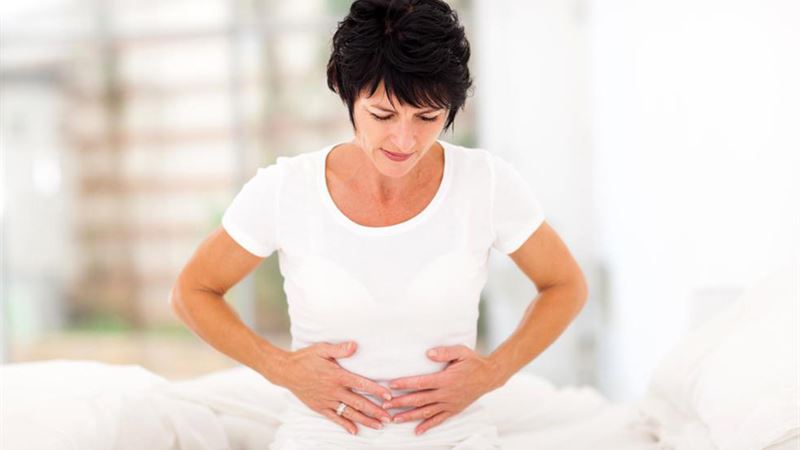
Understanding Overactive Bladder
Overactive bladder affects millions worldwide, impacting daily activities and overall well-being. It stems from involuntary contractions of the bladder muscles, which send signals to the brain indicating a need to urinate, even when the bladder isn’t full. The causes can range from nerve issues, bladder muscle overactivity, hormonal changes, or underlying health conditions.
Common symptoms include a sudden, intense urge to urinate, increased frequency in urination (more than eight times during the day), waking up multiple times at night to urinate, and sometimes accidental leakage or incontinence. Addressing these symptoms often requires a multifaceted approach that combines medical treatment, lifestyle modifications, and possibly natural therapies.
Functional Lifestyle Changes to Alleviate Symptoms
One of the primary steps in managing overactive bladder involves making conscious lifestyle adjustments. These modifications can significantly reduce irritation and pressure on the bladder, leading to better control and fewer episodes.
- Dietary Management: Certain foods and beverages are known to trigger bladder symptoms. These include caffeinated drinks like coffee and tea, carbonated sodas, alcohol, spicy foods, citrus fruits, tomatoes, chocolate, and artificial sweeteners. Eliminating or reducing these can help improve bladder stability.
- Increase Fiber Intake: Including high-fiber foods such as whole grains, fruits, vegetables, and legumes can prevent constipation, which exerts pressure on the bladder and aggravates symptoms.
- Hydration Practices: It is essential to balance fluid intake; drinking enough water prevents dehydration but avoid excessive drinking to reduce urgency. Incorporate prune-based drinks or applesauce to aid bowel movements.
- Regular Exercise: Engaging in moderate physical activity not only improves overall health but also promotes better pelvic floor strength.
- Bowel Management: Maintaining consistent bowel habits through proper hydration, fiber consumption, and routine evacuation reduces pressure on the bladder, easing symptoms of incontinence.
Pelvic Floor Exercises: Kegel Exercises
Kegel exercises are a cornerstone conservative therapy for OAB. They strengthen the pelvic floor muscles, which support the bladder and help prevent urine leakage. Proper practice involves contracting these muscles for several seconds, then relaxing. Regular training, ideally three times daily, can significantly improve control.
To perform Kegel exercises correctly, identify the right muscles by stopping urination midstream or tightening the muscles you would use to prevent passing gas. Once identified, perform exercises by squeezing, holding for five seconds, and releasing. Gradually increase the duration and repetitions.
Herbal and Traditional Remedies for Overactive Bladder
Traditional medicine systems across various cultures have recognized natural ingredients that may help soothe bladder irritation, reduce inflammation, and improve urinary function. Always seek guidance from a healthcare professional before using herbal remedies, especially if you are on medications or have underlying health issues.
Chinese Herbal Medicine
- Gosha-jinki-gan (GJG): A well-known herbal formulation consisting of ten herbs, GJG has demonstrated promising results in reducing daytime frequency and improving overall urinary symptoms in clinical studies. Its calming effects on bladder muscles can lead to increased comfort.
- Hachimi-jio-gan (HE): This herbal blend includes eight different herbs, some of which overlap with GJG. Research indicates that Hachimi-jio-gan can calm bladder contractions, alleviating symptoms of urgency and frequency.
Natural Plant-Based Remedies
- Corn silk (Zea mays): Traditionally used in European and Asian medicine, corn silk is extracted from the central part of the corn cob. Its natural properties help strengthen the mucosal lining of the urinary tract, which can reduce leakages and infections. Corn silk is also employed in treatments for bedwetting and urinary incontinence, owing to its soothing effect.
- Capsaicin: Derived from chili peppers (excluding seeds), capsaicin is known for its ability to desensitize bladder nerves over time, leading to increased bladder capacity—from approximately 106 ml to over 300 ml in some studies. It is commonly used to lessen pelvic pain and bladder hypersensitivity.
- Ganoderma lucidum (Reishi or Lingzhi): A traditional Chinese medicinal mushroom, Ganoderma has been extensively studied for its immunomodulatory and anti-inflammatory properties. In clinical trials, extract supplementation has shown improvement in urinary symptoms and overall bladder health.
Advanced Therapies and Ongoing Research
In addition to lifestyle and herbal approaches, emerging therapies are continually being researched to provide better management options for OAB. These include neuromodulation techniques, Botox injections for bladder overactivity, and new pharmaceutical developments. Combining traditional remedies with modern medical procedures can offer a holistic approach tailored to individual needs.
Precautions and Final Recommendations
While many natural remedies and lifestyle modifications are safe for most individuals, they should always be used under medical supervision. Certain herbs might interact with medications or cause side effects. Regular follow-ups with your healthcare provider ensure that your treatment plan is effective and safe.
Practicing bladder training techniques, maintaining healthy habits, and exploring herbal remedies can empower individuals with overactive bladder to regain control and enjoy a better quality of life. Remember, patience and consistency are key when adopting new routines.
In conclusion, an integrative approach combining diet, exercises, traditional herbs, and medical guidance offers a promising pathway for managing overactive bladder symptoms naturally and effectively.