
Effective Strategies to Reduce Limb Swelling Naturally
Discover proven strategies to naturally reduce limb swelling, including elevation, compression, dietary adjustments, and medical options. Learn effective methods to improve circulation, alleviate discomfort, and prevent future issues with comprehensive tips suitable for various causes of edema.
Choosing the Right Compression Wear
Proper compression garments can significantly aid in reducing limb swelling. Opt for compression socks or stockings with a compression level in the range of 15 to 20 mmHg or 12 to 15 mmHg, depending on your specific needs. These can be purchased with graduated compression, where the pressure gradually decreases from the ankle towards the thigh, or designed for particular activities such as sports or travel—both of which help support circulation.Begin with lightweight compression options to assess comfort, then transition to more supportive options if needed. Consulting a healthcare professional is recommended to determine the appropriate level of compression based on your medical condition, ensuring effective relief without discomfort.
Elevating Legs to Promote Fluid Drainage
Gravity plays a crucial role in managing limb swelling. To alleviate swelling in your feet and ankles, elevate your legs above your heart whenever possible. This position facilitates the natural drainage of excess fluid and reduces pressure on the veins. Simple methods include lying down with your legs propped on pillows or books, or using furniture to keep your feet elevated.Incorporating specific yoga postures like Legs-Up-The-Wall pose can also enhance circulation and lymphatic drainage. Performing leg elevation for 15-20 minutes multiple times a day can markedly decrease swelling and improve comfort.
Using Epsom Salt Baths for Soothing Relief
Magnesium deficiency can sometimes contribute to inflammation and fluid retention. Epsom salts, rich in magnesium sulfate, can be absorbed through the skin during foot soaks or full-body baths, promoting relaxation and reducing swelling.Prepare a warm bath with a few cups of Epsom salts and soak your feet or immerse your body to help relax muscles and ease inflammation. Regular use can enhance magnesium levels, support vascular health, and diminish swelling in affected limbs.
Medical Diuretics and Their Role
In certain cases, healthcare providers may recommend diuretics to aid in fluid elimination. These medications increase urination, helping to remove excess salt and water from the body. Common types include potassium-sparing diuretics to maintain potassium balance, loop diuretics for severe cases such as heart failure, and thiazide diuretics that relax blood vessels.Diuretics should only be used under medical supervision, especially to avoid dehydration or electrolyte imbalance. For swelling caused by injuries or inflammation, non-prescription anti-inflammatory medications and pain relievers may be advised by your healthcare provider to ease discomfort.
Hydration and Fluid Balance
Contrary to intuition, drinking adequate water is essential in managing swelling. Dehydration prompts the body to retain whatever fluid is available, aggravating edema. Daily consumption of at least eight glasses of water helps maintain proper hydration, promoting natural diuresis and reducing fluid buildup.Incorporate herbal teas and infused waters for variety and additional health benefits. Proper hydration supports kidney function and ensures that excess fluids are effectively eliminated, helping to diminish limb swelling over time.
Frequent Movement and Activity
Prolonged sitting or standing can cause fluid to pool in the lower extremities, worsening swelling. Incorporate regular movement into your daily routine to stimulate circulation. Aim for a brief walk every hour when possible—such as a quick stroll around your office or home.Post-meal walks or simple ankle and knee flexion exercises also help activate muscles that assist in pumping blood and lymphatic fluid back toward the torso. These habits are simple yet powerful techniques to prevent and reduce swelling naturally.
Manual Lymphatic Drainage and Massage Therapy
Gentle lymphatic drainage massage can effectively reduce swelling caused by lymphatic blockages or damaged vessels. This specialized massage technique involves gentle, rhythmic strokes that encourage lymph fluid to flow away from swollen areas toward the lymph nodes for filtration.Regular sessions with a qualified massage therapist or learning self-massage techniques can foster natural detoxification, alleviate discomfort, and promote faster recovery from edema. Consistent self-care can maintain soft, supple limbs and prevent the buildup of excess fluid.
Considering Surgical or Medical Interventions
When conservative approaches prove insufficient, medical procedures may be necessary. Surgery can be performed to repair or remove damaged blood vessels, especially in cases related to vascular diseases, varicose veins, or severe lymphatic issues. These interventions are typically considered after comprehensive diagnostics and consultation with a vascular surgeon or specialist.Your healthcare provider will tailor the treatment plan to your specific condition, potentially combining medicine, lifestyle modifications, and surgical techniques to effectively eliminate persistent swelling.
Enhancing Magnesium Intake with Diet
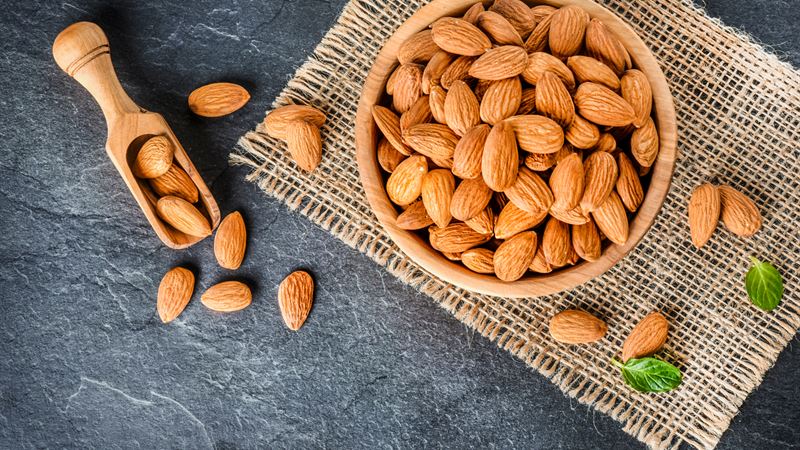
Magnesium-rich foods can play a vital role in reducing inflammation and water retention associated with limb swelling. Incorporate foods such as dark leafy greens like spinach, nuts like almonds and cashews, seeds including pumpkin and flaxseeds, and low-fat dairy products like yogurt and milk into your meals.Dark chocolate and whole grains such as quinoa are also good sources. These foods help correct magnesium deficiencies, improve vascular function, and support overall fluid balance, reducing swelling naturally from within.
Understanding that limb swelling often results from fluid accumulation is key. It may also be a normal response to injury or infection. Ignoring persistent swelling or putting undue pressure on inflamed limbs can worsen the condition, so timely consultation with a healthcare professional is essential. Proper management techniques, lifestyle modifications, and medical interventions can empower you to control and reduce limb edema effectively.