
Comprehensive Natural Approaches to Managing Gout Pain and Uric Acid
Explore comprehensive natural remedies and lifestyle strategies to effectively manage gout pain and reduce uric acid levels. Learn about dietary tips, herbal supplements, and practical tips to prevent attacks and improve joint health naturally.
Gout is a complex form of arthritis that results from the buildup of uric acid crystals in the joints, leading to intense pain, swelling, and inflammation. While medication is often prescribed, many individuals seek natural remedies to alleviate symptoms and prevent future attacks. An effective gout management plan involves a combination of dietary adjustments, lifestyle changes, and natural therapies. Understanding these approaches can empower sufferers to take control of their condition and improve quality of life.
Diet plays a crucial role in managing gout. Consuming foods that reduce uric acid levels and avoiding those that compound the problem are vital steps. Emphasizing vegetables, fresh fruits, and organic meats while eliminating high-purine foods and acidic beverages contributes significantly to symptom relief. Additionally, incorporating specific natural remedies can support joint health and reduce inflammation. This article explores various scientifically supported natural treatments and lifestyle strategies to provide comprehensive gout management.
Key Dietary Changes for Gout Relief
- Incorporate a high intake of vegetables such as leafy greens, zucchini, and bell peppers, which are low in purines and help in reducing uric acid levels.
- Opt for organic meats in moderation, focusing on lean cuts that contain fewer purines. Consider adding bone broth, which is rich in nutrients and may support joint health.
- Fruits like cherries, strawberries, and citrus contain antioxidants that combat inflammation and uric acid accumulation. Black cherries, in particular, have been associated with decreased gout flare-ups.
- Drink plenty of water—aiming for at least 8-12 glasses daily—to promote uric acid excretion and prevent crystal formation.
- Avoid alcoholic beverages, especially beer and spirits, as they can elevate uric acid levels and trigger attacks.
- Limit or avoid processed and sugary foods that contribute to inflammation and metabolic disturbances.
Natural Remedies Supporting Gout Management
The following natural therapies have gained attention for their potential benefits in alleviating gout symptoms and reducing uric acid levels:
- Celery Seed Extract: Renowned for its anti-inflammatory properties, celery seed extract and juice have been shown to lower uric acid levels rapidly. Rich in antioxidants such as ferulic acid and caffeic acid, celery seeds help combat oxidative stress and inflammation. You can find supplements or incorporate fresh celery into your diet, either raw or as a juice.
- Black Cherry Juice: Known for its ability to soothe gout symptoms, black cherry juice or extract has been linked with a significant reduction in gout attacks—up to 75% when combined with medications like allopurinol. The anthocyanins in cherries help decrease uric acid and inflammation naturally.
- Nettles (Urtica Dioica): A traditional remedy, nettles possess potent anti-inflammatory properties. Consuming nettle tea may assist in reducing joint swelling and pain associated with gout. Regular intake can support overall joint health.
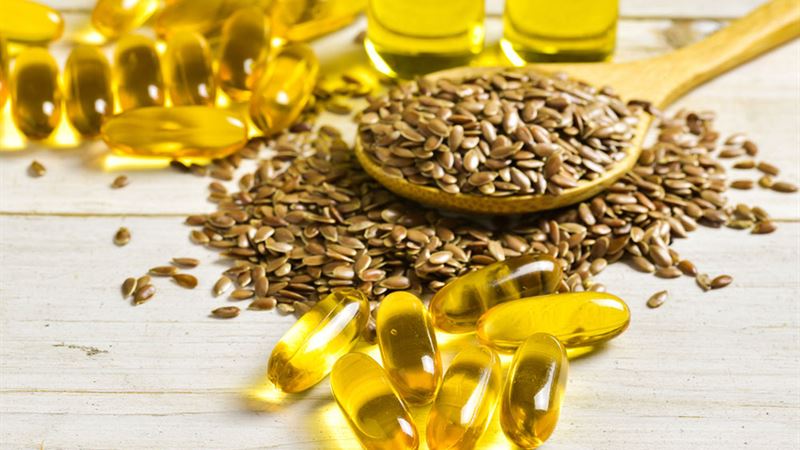
- Omega-3 Fatty Acids from Fish Oil: Fish oil supplements provide essential omega-3s, which are known to diminish inflammation and improve joint mobility. Consuming fatty fish like salmon, mackerel, and sardines also contributes to overall anti-inflammatory benefits.
- Proteolytic Enzymes and Bromelain: Bromelain, found in pineapples, is a digestive enzyme that helps break down proteins and reduce inflammation. Supplements containing bromelain can aid in lowering uric acid and relieving gout pain.
- Apple Cider Vinegar: This natural remedy helps maintain alkalinity in the body, which can mitigate gout pain caused by acidity. Mixing one to two tablespoons of raw, organic apple cider vinegar with water and drinking it daily may ease symptoms. It can also be applied topically to the affected area for localized relief.
- Baking Soda: Known for increasing alkalinity, baking soda can help neutralize uric acid. Dissolving half a teaspoon in an 8-ounce glass of water and consuming it three times a day may provide relief. However, individuals with high blood pressure should consult their doctor before use due to its sodium content.
- Ginger: With powerful anti-inflammatory properties, ginger can help reduce joint swelling and pain. Preparing ginger tea by boiling fresh slices or applying a ginger paste topically can offer symptom relief.
- Hydration: Adequate water intake is essential for flushing out excess uric acid. Drinking at least 8-12 glasses of water daily helps prevent crystal buildup and alleviates symptoms.
- Epsom Salt Bath: Epsom salt, which contains magnesium, can relax muscles and reduce joint pain. Soaking the affected area in warm water infused with Epsom salt for 30 minutes can ease discomfort.
Additional Strategies for Managing Gout
If you're diagnosed with gout, adhering to prescribed medications that lower uric acid levels is critical. Regular check-ups and ongoing medical supervision help prevent complications and reduce attack frequency. Applying ice packs to inflamed joints can provide immediate pain relief, while elevating the affected limb diminishes swelling.
In some cases, corticosteroid injections may be recommended for acute attacks. Using assistive devices like a cane can help reduce joint stress while walking. Lifestyle adjustments—such as weight management, avoiding triggers, and adopting a dairy-rich, low-purine diet—are instrumental in controlling gout over the long term.
Ultimately, combining natural therapies with medical advice offers a holistic approach to gout management, promoting healthier joints and enhanced well-being.