
Effective Topical Treatments for Managing Shingles Discomfort
Discover comprehensive and effective topical treatments for shingles pain relief. From calamine lotion to lidocaine patches and capsaicin creams, learn how these remedies can soothe irritation, reduce nerve pain, and promote healing. Incorporating healthy habits and consulting a healthcare professional can optimize recovery and improve comfort during shingles outbreaks. This detailed guide provides essential insights into managing symptoms with proven topical options tailored to your needs.
Calamine Lotion
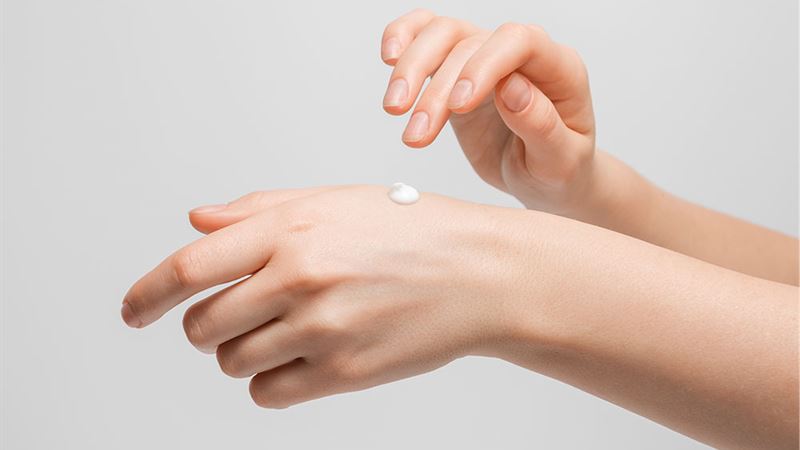
Calamine lotion remains a popular choice for managing shingles-related itching and skin irritation. This soothing topical remedy contains zinc oxide and iron oxide, which work together to calm irritated skin. It acts as an anti-itch agent, providing immediate relief by forming a protective barrier that shields the skin from further irritation. Additionally, calamine's mild astringent properties help reduce inflammation and prevent bacterial growth, lowering the risk of secondary infections. Its cooling sensation effectively alleviates discomfort, making it one of the most preferred creams for shingles-associated itchiness. Applying calamine lotion regularly can significantly enhance comfort levels and support skin healing processes.Lidocaine-based Topicals
Lidocaine is a local anesthetic extensively used in various topical formulations for its pain-relieving properties. Available in forms such as gels, patches, sprays, and lotions, lidocaine-based products are effective in numbing nerve endings, thereby reducing sharp nerve pain triggered by shingles. Typically, these topical anesthetics are applied directly to affected areas, providing quick and sustained relief. They are particularly beneficial for managing post-herpetic neuralgia, a common complication of shingles. Proper application and moderation are essential to avoid potential local side effects, like skin irritation. Lidocaine patches, in particular, are easy to use and can be worn for extended periods, offering continuous pain relief without systemic effects. This makes lidocaine-based topicals a cornerstone in shingles pain management regimens.Capsaicin Cream
Derived from chili peppers, capsaicin is a well-known compound that produces a burning sensation when ingested or applied topically. Paradoxically, when used as a cream, capsaicin can help diminish shingles pain by depleting substance P, a neuropeptide involved in transmitting pain signals. Applying capsaicin cream on shingles-affected skin, therefore, disrupts pain messaging pathways, providing significant relief over time. It is particularly effective in cases of persistent nerve pain and post-herpetic neuralgia. However, users must exercise caution, as initial application often causes a burning sensation, and contact with sensitive areas like eyes or mucous membranes should be avoided. Consistent use, under medical guidance, can lead to substantial pain reduction.Topical Benzydamine
Benzydamine is an anti-inflammatory agent available in topical form for treating inflammatory skin conditions, including shingles. Its application helps soothe inflamed tissues and reduce pain associated with nerve irritation. Often found in over-the-counter creams, benzydamine offers rapid relief and has minimal systemic absorption, which minimizes side effects. It is especially helpful in calming redness, swelling, and discomfort. However, in cases where itching exacerbates or respiratory symptoms like wheezing occur, users should discontinue use immediately and consult a healthcare provider. Despite rare side effects, benzydamine remains a valuable addition to shingles management for its anti-inflammatory and analgesic properties.Topical Diclofenac
Diclofenac is a potent non-steroidal anti-inflammatory drug (NSAID) formulated for topical use. Applied directly to shingles-affected skin, it helps reduce pain, inflammation, and swelling. Its anti-inflammatory effects can alleviate discomfort brought on by nerve irritation and skin lesions. To achieve optimal results, a thin layer of diclofenac gel or cream should be applied once daily to the affected area, avoiding sensitive tissues. Monitoring for adverse reactions like burning sensations or rashes is advised, and treatment should be discontinued if such reactions occur. Including diclofenac as part of a comprehensive treatment plan can significantly ease shingles-related pain and accelerate healing.Aluminum Acetate Solution
Though not a cream or ointment, aluminum acetate solution (also known as Burrow’s solution) has been traditionally used to manage skin infections and inflammation. This topical astringent is particularly useful for drying out oozing blisters and reducing skin irritation during shingles outbreaks. Usually prepared by mixing the powder with water, it forms a soothing solution applied to the affected areas with a soft cloth or cotton pad. The astringent properties help draw out excess moisture, decrease inflammation, and promote healing. However, it should be used sparingly, and application should cease if skin irritation or worsening symptoms occur. This tried-and-true remedy offers additional support in shingles care when applied appropriately.Managing shingles pain effectively involves a multifaceted approach. Alongside topicals, maintaining healthy habits plays a vital role. Consuming a nutritious diet rich in vitamins, particularly vitamin C and zinc, can bolster immune function and promote skin repair. Staying adequately hydrated and getting sufficient rest are crucial for recovery. Gentle, non-strenuous activities like walking or stretching can help divert attention from nerve pain and reduce stress. It is highly recommended to consult with a healthcare professional for personalized treatment options, especially when choosing topical therapies. Every individual's response to treatment varies, and a tailored plan ensures optimal relief. Always adhere strictly to the medical advice prescribed and avoid self-medicating beyond recommended doses. Proper skincare, combined with medical management, can significantly lessen shingles discomfort and speed up healing.