
Comprehensive Guide to Pneumonia: Prognosis, Diagnosis, and Treatment Strategies
This detailed guide explores pneumonia, covering prognosis, diagnosis, symptoms, and treatment options. It emphasizes early detection, essential diagnostic tests like blood work, X-rays, sputum analysis, and advanced imaging. The article discusses treatment strategies, importance of vaccinations, and lifestyle recommendations to prevent infection. Understanding pneumonia's signs and timely medical intervention are crucial for recovery. Whether mild or severe, comprehensive management and preventative care are vital to reduce risks and improve health outcomes across all age groups. Learn everything you need about managing pneumonia effectively.
Understanding Pneumonia Prognosis Pneumonia remains one of the most prevalent and serious respiratory infections worldwide, impacting millions annually. Its potential to cause severe complications or even fatalities underscores the importance of early detection and effective management. Determining a patient’s prognosis involves a thorough evaluation through various diagnostic measures aimed at assessing the severity, underlying causes, and potential outcomes of the disease. A precise prognosis not only informs the treatment plan but also enhances the chances of recovery and minimizes health risks.
Diagnostic Tests for Assessing Pneumonia Accurate diagnosis forms the foundation for effective treatment. Healthcare professionals rely on a series of diagnostic tests to confirm pneumonia, identify its cause, and gauge its severity. These tests also help in monitoring the progression or resolution of the infection, thereby guiding therapeutic decisions.
Blood Tests – The First Step in Diagnosis Blood examinations are pivotal in establishing the presence of pneumonia. They enable doctors to detect signs of infection, inflammation, and the organism responsible for the illness. Blood counts often reveal elevated white blood cell levels, which indicate an immune response to infection. Blood cultures may also be performed to isolate the specific bacteria, fungi, or viruses involved, facilitating targeted treatment. Furthermore, blood tests can assess overall health status and detect complications such as sepsis, especially in severe cases.
Pulse Oximetry – Monitoring Oxygen Levels Pulse oximetry is a simple, non-invasive method to measure oxygen saturation in the blood. Since pneumonia often impairs lung function, monitoring oxygen levels is crucial to determine the extent of respiratory compromise. Low oxygen saturation may necessitate supplemental oxygen therapy and influence hospitalization decisions. Regular pulse oximetry can provide real-time updates on patient status, enabling prompt medical interventions when necessary.
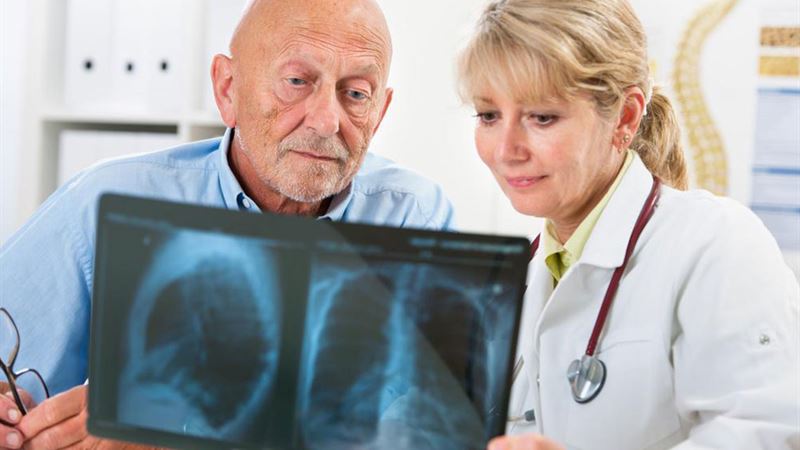
Chest Imaging – Visualizing Lung Involvement Chest X-rays are a standard component of pneumonia diagnosis. They help visualize the presence and extent of lung infiltrates, consolidations, or other abnormalities indicative of infection. The imaging results assist in distinguishing pneumonia from other respiratory conditions and evaluating the severity. In some complex cases or when initial X-rays are inconclusive, computed tomography (CT) scans may be ordered for detailed imaging, especially in elderly patients or when the infection does not respond to initial treatment.
Sputum and Cultures – Identifying the Causative Pathogen The analysis of sputum (mucus coughed up from the lungs) is integral to pinpointing the organism causing pneumonia. Proper sample collection and laboratory analysis can detect bacteria, fungi, or viruses. Culturing the sputum guides clinicians in selecting the most effective antibiotics or antiviral medications, reducing the risk of resistance. In some rare instances, pleural fluid cultures are performed if there is associated pleural effusion, providing additional insight into the infection’s etiology.
Additional Diagnostic Measures Depending on the patient's age, health status, and response to initial therapy, further diagnostics may be required. Elderly patients or immunocompromised individuals might undergo advanced imaging like high-resolution CT scans to better assess lung damage. Blood tests such as inflammatory markers (e.g., C-reactive protein, procalcitonin) can help evaluate disease severity and monitor treatment efficacy. In certain cases, bronchoscopy or pleural fluid analysis may be performed for a more comprehensive understanding of persistent or complicated infections.
Recognizing Symptoms of Pneumonia Early recognition of pneumonia symptoms is vital for prompt diagnosis and initiation of treatment. While symptoms can vary based on age, health status, and the causative organism, some common signs and symptoms include:
- Shortness of breath or difficulty breathing
- Persistent cough producing phlegm or mucus
- High fever with chills and sweating
- Chest pain, especially when breathing or coughing
- Fatigue, weakness, or malaise
- Nausea, vomiting, or diarrhea in some cases
- Confusion, especially in older adults
- Decreased appetite and general discomfort
It is noteworthy that infants and young children may exhibit different symptoms, such as irritability, restlessness, fever, cough, or vomiting. Recognizing these variations is crucial for timely diagnosis and treatment.
Effective Treatment Approaches for Pneumonia Once pneumonia is diagnosed, initiating appropriate treatment promptly is essential to prevent complications and ensure recovery. The therapeutic approach depends largely on the type of pneumonia (bacterial, viral, fungal), severity, and patient-specific factors such as age and comorbidities. Self-treatment or reliance on over-the-counter medications is strongly discouraged as it can lead to worsening conditions or resistance issues. Consulting healthcare professionals ensures safe and effective management.
In bacterial pneumonia cases, antibiotics are the cornerstone of therapy. The choice of antibiotics depends on the suspected or confirmed pathogen and local resistance patterns. Doctors may prescribe broad-spectrum antibiotics initially, later tailoring therapy based on culture results. In cases of viral pneumonia, antiviral medications may be administered if appropriate, along with supportive care. Fungal pneumonia requires antifungal agents tailored to the specific organism involved.
Symptomatic relief is vital during recovery. Cough suppressants, fever reducers, and pain relievers are commonly prescribed to ease discomfort. Adequate hydration, rest, and nutrition also support the healing process. Patients are advised to avoid smoking and exposure to pollutants to facilitate lung recovery.
Hospitalization might be necessary in severe cases, especially for the elderly, infants, or those with underlying health conditions. Hospital care ensures oxygen therapy, intravenous antibiotics, and close monitoring. For mild cases, home management with medical supervision can be effective, provided the patient follows all prescribed treatments diligently.
Preventative measures are equally important. Vaccinations, such as pneumococcal vaccines and annual influenza shots, significantly decrease the risk of pneumonia. Maintaining a healthy lifestyle, including balanced nutrition, regular exercise, and avoiding smoking, can bolster the immune system. Good hygiene practices, like handwashing, also reduce infection spread.
In conclusion, pneumonia remains a significant health concern worldwide. Early diagnosis through comprehensive testing, recognizing symptoms promptly, and implementing targeted treatment strategies are critical in managing the disease effectively. Preventive measures, including vaccination and healthy living, play a key role in reducing incidence and ensuring better health outcomes. Staying vigilant and seeking medical attention at the first sign of symptoms can save lives and improve quality of life.