
Understanding Pneumonia: Causes, Symptoms, Diagnosis, and Prevention Strategies
This comprehensive guide on pneumonia covers its symptoms, causes, diagnosis, treatment options, and prevention tips. Learn how early detection and vaccination can reduce risks, and discover lifestyle habits that help protect respiratory health.
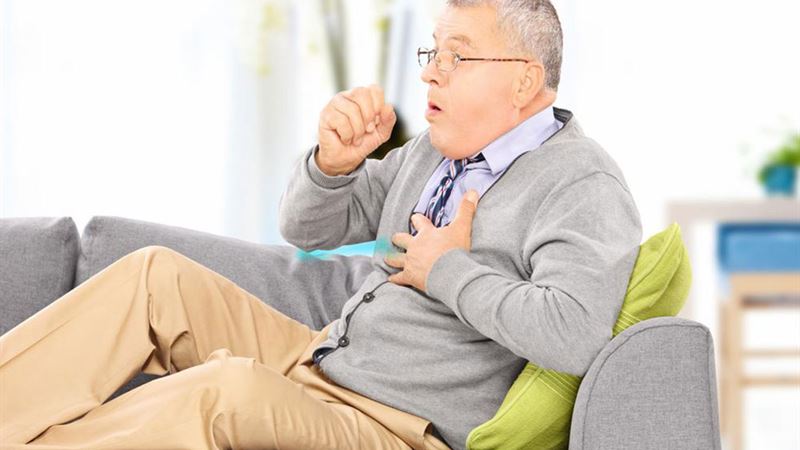
€¢ Elevated body temperature often accompanied by chills and sweating
€¢ Production of yellowish or greenish phlegm when coughing
€¢ Presence of blood in mucus
€¢ Sudden chills and shivering
€¢ Shortness of breath or difficulty breathing
€¢ Persistent fatigue and weakness
€¢ Loss of appetite and weight loss
€¢ Sharp, stabbing chest pain that worsens with coughing or deep breaths
€¢ Rapid heartbeat and palpitations
€¢ Notable cyanosis, especially on lips and nails
Infants with pneumonia may appear unusually weak, lethargic, or irritable, showing little interest in feeding. Elderly patients often exhibit atypical symptoms such as mental status changes, confusion, or disorientation. Recognizing these differences is crucial for timely treatment.
If untreated, pneumonia can escalate beyond the lungs, leading to the spread of infection into the bloodstream—a life-threatening condition known as sepsis. Sepsis can impair oxygen delivery to vital organs, induce shock, and cause a dangerous drop in blood pressure. This emphasizes the importance of early diagnosis and intervention.
Accurate diagnosis begins with a comprehensive physical examination and detailed medical history review. To confirm pneumonia, healthcare providers rely on diagnostic tools such as chest X-rays or CT scans, pulse oximetry to assess oxygen levels, bronchoscopy when needed, and blood tests to identify causative agents. The duration and severity of pneumonia vary depending on individual health status; mild cases typically resolve within two to three weeks, while immunocompromised patients may experience prolonged illness extending up to eight weeks.
Standard treatment often involves oral antibiotics, and most patients can manage the illness as outpatients. However, severe cases or those requiring intravenous medication may necessitate hospitalization. Critical to treatment success is identifying the pathogen responsible, which guides targeted therapy.
Preventive measures include vaccination against bacterial pathogens like Streptococcus pneumoniae, which reduces the risk of severe infection and complications. While vaccines do not eliminate all pneumonia types, they significantly enhance protection. Additionally, practicing good hygiene—such as frequent handwashing—and avoiding close contact with individuals suffering from respiratory infections or the flu can lower your risk. Quitting smoking and avoiding tobacco exposure are essential lifestyle modifications to strengthen respiratory health and prevent respiratory infections.