
Comprehensive Guide to Pneumococcal Pneumonia: Symptoms, Prevention, and Treatment Strategies
This comprehensive guide explores pneumococcal pneumonia in detail, covering symptoms, diagnosis, effective antibiotic treatments, and preventive vaccines. It emphasizes the importance of early detection, appropriate therapy, and vaccination to reduce risks and improve health outcomes among at-risk populations like children and the elderly. Understanding these aspects can significantly improve management and prevention strategies, ultimately saving lives.
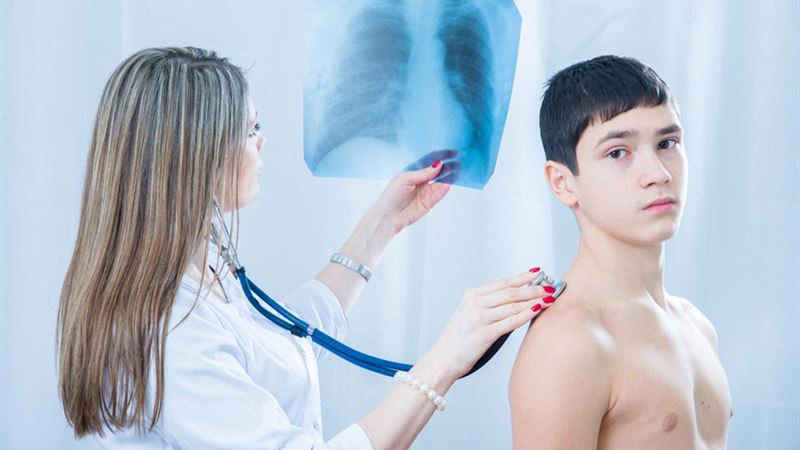
Pneumococcal pneumonia is a serious bacterial infection that affects the lungs and can lead to severe health complications if not diagnosed and treated promptly. The primary culprits are the bacteria Streptococcus pneumoniae, which invade the lung tissue, causing inflammation and difficulty breathing. Understanding this disease's symptoms, available treatments, and preventive measures is vital for safeguarding health, especially among vulnerable populations such as young children and the elderly.
Antibiotics are the primary line of defense against pneumococcal pneumonia. Typically, it takes anywhere from 12 to 36 hours for these medications to generate enough antibodies to combat the bacteria effectively. However, in some cases, the bacteria may show resistance to antibiotics, causing the patient's condition to deteriorate further. Recognizing early symptoms and seeking timely medical attention can make a significant difference in outcomes.
The prevention of pneumococcal pneumonia primarily relies on vaccination. Vaccines aim to bolster immunity before exposure to the bacteria and are particularly recommended for high-risk groups, including children under five and adults over 65. Routine immunizations have shown to significantly reduce incidence rates, preventing hospitalizations and severe complications associated with the disease.
Recognizing the Symptoms of Pneumococcal Pneumonia
Prompt identification of symptoms is crucial for effective treatment. Pneumococcal pneumonia typically manifests suddenly, with initial signs that may include chills, high fever, persistent cough, chest discomfort, and breathing difficulties. A deeper understanding of these symptoms helps distinguish this bacterial infection from other respiratory illnesses, facilitating quicker diagnosis and appropriate intervention.
High Fever and Its Significance
Fever is one of the earliest and most noticeable signs of pneumococcal pneumonia. The normal body temperature hovers around 98.6°F (37°C). When the body temperature exceeds 100.4°F (38°C), it indicates a fever, signaling that the immune system is responding to an infection. In bacterial pneumonia, fever results from the body's immune response to the invasion of Streptococcus pneumoniae, making it a critical symptom to monitor for early detection.
Persistent Coughing
Another hallmark symptom is a persistent cough, which is often productive, meaning it produces phlegm or mucus. Coughing occurs as the body's response to inflammation in the lungs caused by bacterial invasion. The cough may be severe and accompanied by a feeling of chest tightness, wheezing, or discomfort. When combined with fever, cough signifies a likely bacterial infection requiring medical assessment.
Breathing Difficulties: A Red Flag
Breathing problems are common in pneumococcal pneumonia, especially if the infection progresses untreated. Patients may experience shortness of breath, rapid breathing, and an inability to take deep breaths comfortably. In severe cases, pneumonia can lead to complications such as asthma or even respiratory failure. Recognizing these signs early and seeking emergency medical care is vital to prevent life-threatening outcomes.
Chest Pain and Discomfort
Chest pain often accompanies coughing and lung infection. Patients frequently report sharp or stabbing chest discomfort, which can worsen with deep breaths or coughing. Persistent chest pain may also hint at complications like pleurisy—an inflammation of the tissues surrounding the lungs—or other cardiac issues. Proper diagnosis and treatment are necessary to avoid long-term health consequences.
Additional Symptoms to Watch For
Besides the main symptoms, pneumococcal pneumonia can entail a variety of secondary signs, such as nausea, vomiting, headaches, body aches, fatigue, and general tiredness. These symptoms often indicate the body's systemic response to infection and reinforce the need for medical evaluation to confirm diagnosis and determine the best course of treatment.
Effective Treatment Modalities for Pneumococcal Pneumonia
Addressing pneumococcal pneumonia requires a multifaceted approach. The primary strategy involves administering antibiotics that specifically target the bacteria. Penicillin-based drugs are highly effective, especially when the bacteria have not developed resistance. Additionally, vaccination plays a vital role in preventing disease occurrence, particularly for at-risk populations.
Antibiotic Options and Their Roles
The effectiveness of antibiotic therapy depends on the strain's susceptibility and infection severity. Common antibiotics include:
- Cefotaxime: A third-generation cephalosporin with a broad spectrum against gram-negative bacteria, also effective against resistant organisms. It acts by inhibiting bacterial cell wall synthesis and is often used to treat meningitis, pneumonia, and other invasive infections.
- Penicillin G: The drug of choice for severe infections such as meningitis caused by susceptible strains of Streptococcus pneumoniae. Its potency makes it the gold standard for serious bacterial infections.
- Amoxicillin: Known for excellent absorption, it’s suitable for outpatient therapy and effective against non-resistant strains of bacteria, typically administered three to four times daily.
- Ampicillin: An alternative oral or parental option, effective against susceptible organisms and useful when amoxicillin cannot be used.
- Cefazolin: Primarily administered via injection, it is effective for treating pneumonia outside the central nervous system (CNS). It's particularly useful for parenteral therapy.
- Ceftriaxone: Often used for resistant strains or severe infections, especially if the bacteria exhibit reduced susceptibility to penicillin. Ideal for cases requiring hospitalization, including meningitis.
- Azithromycin: A macrolide antibiotic with a long half-life, reducing treatment duration and improving tolerability, especially useful in outpatient care.
- Vancomycin: Reserved for severe infections caused by penicillin-resistant strains, administered intravenously for optimal effect, especially in patients with allergies to beta-lactam antibiotics.
Vaccination: A Cornerstone in Prevention
Prevention through vaccination significantly reduces the risk of developing pneumococcal pneumonia. The two main vaccines are:
- Pneumococcal 13-Valent Conjugate Vaccine (PCV13): Protects against 13 common strains of Streptococcus pneumoniae. It is conjugated with diphtheria toxin, enhancing immune response, especially in children under five.
- Pneumococcal Polyvalent Vaccine (PPS23): Covers 23 serotypes, stimulating the immune system to produce antibodies against multiple bacteria strains. Recommended for older adults and immunocompromised individuals.
These vaccines are essential tools in reducing disease prevalence and preventing invasive bacterial infections, thereby saving lives and healthcare resources.
In conclusion, pneumococcal pneumonia remains a significant health challenge worldwide. Recognizing early symptoms, understanding effective treatment options, and embracing preventive vaccination measures are key strategies to control and reduce its impact. Prompt medical intervention can dramatically improve prognosis, and vaccination serves as a powerful tool to protect vulnerable populations from this potentially deadly disease.