
Natural Ways to Keep Ticks and Fleas Away From Your Garden and Pets
Discover effective natural methods to repel ticks and fleas with garden plants like lavender, marigolds, and garlic. Combining these natural strategies with pet protection products can create a safe, pest-free environment for your home and outdoor spaces. Learn how to enhance your garden’s beauty while safeguarding your pets from parasites through eco-friendly solutions that promote health and comfort.
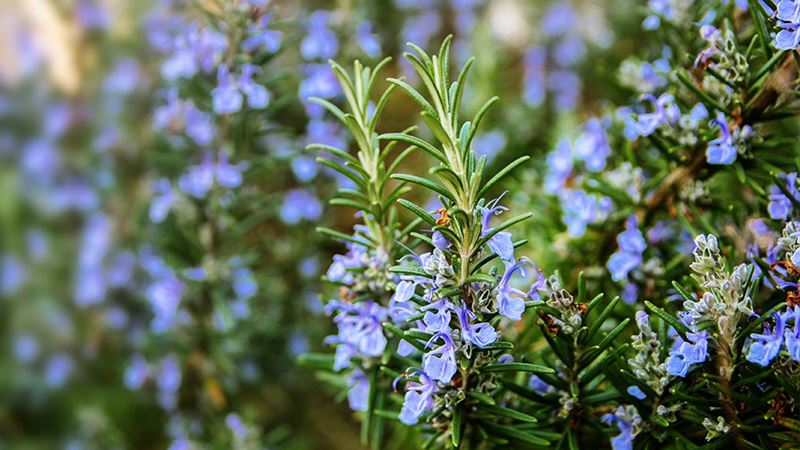
Maintaining a pest-free yard is essential for the health and comfort of your pets and family. Using natural plant-based deterrents can be an effective, eco-friendly way to prevent ticks and fleas from taking over your outdoor spaces. Implementing the right combination of plants known for their pest-repelling properties can significantly reduce the likelihood of infestations. Here are some of the most effective natural plants and methods you can incorporate into your garden to keep these unwanted pests at bay, along with additional tips for safeguarding your pets from common parasites.
**Understanding the Problem: Ticks and Fleas in Your Yard and Home**
Ticks and fleas are not just nuisances; they pose serious health risks to pets and humans. Ticks can transmit a variety of diseases, including Lyme disease, anaplasmosis, and ehrlichiosis, while fleas can cause allergic reactions, anemia, and spread tapeworms. These pests thrive in outdoor environments with tall grass, dense shrubs, and leaf litter, especially during warmer months. Preventing their access to your yard is crucial for long-term pest management. Chemical repellents and pesticides are effective but can pose environmental and health concerns, emphasizing the importance of natural deterrents rooted in your garden’s landscape.
**Plants With Pest-Repelling Properties**
Incorporating specific plants into your garden can serve as a natural barrier against ticks and fleas. These plants produce scents or compounds that pests find unpleasant or confusing, thereby reducing the likelihood of infestations. Here's an in-depth look at some of the most effective pest-repelling plants:
- Wormwood: Known for its pungent aroma, wormwood is often used as an ornamental feature. Its bitter taste and scent make it unappealing to parasites, helping to keep your yard pest-free. This hardy perennial is easy to grow and maintain, thriving in both sun and partial shade, making it ideal for various garden settings.
- Rue: Characterized by its striking blue-green leaves, rue contains compounds that are disliked by ticks and fleas. Additionally, the leaves can be rubbed onto pets’ fur as a natural disinfectant and pest deterrent. Rue prefers well-drained soil and plenty of sunlight, making it a versatile addition to many gardens.
- Lavender: Beyond its soothing fragrance, lavender emits oils that interfere with the olfactory sensors of blood-sucking insects. Planting lavender along pathways or near pet areas can help repel fleas, ticks, and mosquitoes. Lavender thrives in full sun and well-drained soil, and its flowers attract pollinators such as bees and butterflies.
- Citronella Grass: This versatile grass is famous for its natural citronella oil, a proven repellent for mosquitoes, fleas, and ticks. Planting citronella grass around your yard provides a fragrant barrier that deters pests while also enhancing your outdoor aesthetic. It prefers warm climates and plenty of sunlight.
- Marigolds: Ornamental and functional, marigolds produce a strong scent that repels ticks and other pests. They are easy to grow from seed and add bright, cheerful colors to gardens. Marigolds are also beneficial for soil health, helping to suppress weeds and improve nutrient levels.
- Chrysanthemums: These vibrant flowers contain pyrethrum, a natural insecticide that attacks the nervous systems of fleas, ticks, and mosquitoes. Chrysanthemums are useful as border plants or container arrangements, and they can be cultivated in most temperate garden zones.
- Garlic: Recognized for its potent smell, garlic contains sulfur compounds that pests find offensive. Planting garlic cloves around your garden not only deters pests but can also boost the health of your plants and soil. Additionally, garlic can be incorporated into homemade pest sprays.
- Thyme: Popular in cooking, thyme’s fresh lemon scent also works as a pest repellent. Growing thyme in herb gardens or flower beds helps to create a pest-resistant environment. It prefers well-drained soil and full sun, making it perfect for most outdoor spaces.
**Supplementing Natural Deterrents With Pet Protection Products**
While planting these pest-repellent flora provides a strong natural defense, some pests might still find their way to your pets. In such cases, additional treatments are essential to ensure your pets are protected against fleas and ticks. There are numerous veterinary-approved products designed to eliminate and prevent these parasites effectively:
- Chewable medications: Brands like Simparica, Trifexis, and NexGard offer flavored chew tablets that provide comprehensive protection against fleas and ticks for dogs. These medications are easy to administer and work internally to kill pests before they can latch onto your pets.
- Topical treatments: Elanco’s Advantage® series, Bayer’s K9 Advantix II, and Frontline® are topical solutions that create a protective barrier on your pet’s skin, repelling pests and preventing infestations. Regular application is vital to maintain effectiveness.
- Innovative sprays and dips: In addition to oral and topical products, veterinarians may recommend products that can be sprayed or dipped onto your pets’ fur, providing an extra layer of protection, especially during peak pest seasons.
**Conclusion: A Holistic Approach to Pest Control**
Efficiently managing ticks and fleas involves a combination of environmental modifications, natural plant-based repellents, and pet-specific preventative measures. Implementing pest-repelling plants in your garden creates a natural barrier, reducing the likelihood of pests entering your yard. At the same time, maintaining your pets’ health with veterinarian-approved protection products ensures they remain safe and comfortable. Regular yard maintenance, like mowing grasses, removing leaf litter, and trimming shrubs, further enhances pest control efforts. Embracing this holistic approach can significantly improve your outdoor environment, foster healthier pets, and allow you to enjoy your garden without the nuisance of pests.