
Effective Natural Strategies to Eradicate Aphids in Your Garden
Discover comprehensive natural solutions to control and eliminate aphids in your garden. Learn how to identify infestations early, employ beneficial insects, implement companion planting, and apply safe organic remedies like soap sprays, neem oil, essential oils, and diatomaceous earth. Embrace eco-friendly practices that protect your plants while supporting beneficial insect populations, ensuring a healthy, pest-free garden. These methods promote sustainability and help maintain a thriving garden ecosystem without harmful chemicals.
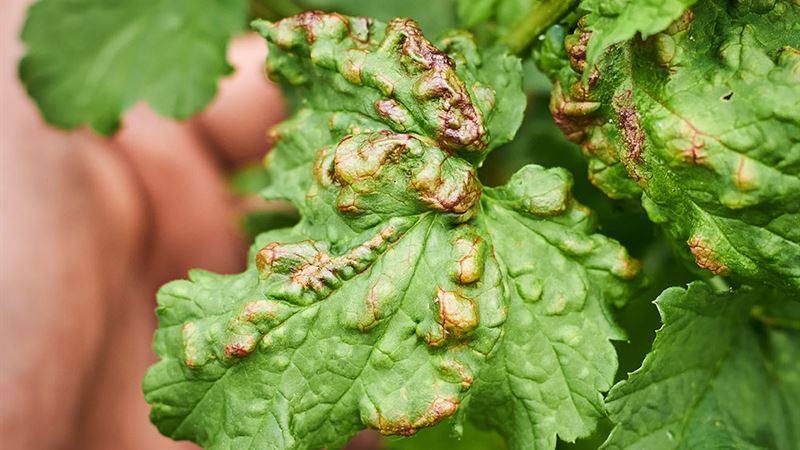
Recognizing the Signs of Aphid Infestation
Early detection of aphids is crucial to prevent widespread damage. Typical symptoms include:
- Leaves that are curled, misshapen, or yellowing
- Sticky honeydew residue on plant surfaces
- Presence of black sooty mold on foliage
- Deformed flowers and fruits
- Unusual galls on roots or leaves
- Transmission of viral diseases leading to further crop decline
Preventative Measures for Aphid Control
Proactive strategies are essential to keep aphid populations at bay. Incorporating natural pest control methods into your gardening routine can significantly reduce their occurrence.
Introducing Natural Predators
One of the most sustainable ways to manage aphids is by encouraging their natural enemies. Beneficial insects such as ladybugs, green lacewings, and parasitic wasps are voracious aphid predators. Creating a garden environment that attracts these allies involves planting diverse, nectar-rich plants like yarrow, dill, fennel, and mint. These attractants serve as food sources and habitats, fostering a balanced ecosystem that naturally keeps aphid numbers in check.
In some cases, you can purchase these beneficial insects from garden suppliers and release them directly into your garden to reinforce natural populations. Additionally, insectavory birds like wrens and chickadees enjoy feeding on aphids. Providing nesting sites through small trees or shrubs can encourage these birds to make your garden their home and help manage pest populations naturally.
Companion Planting Strategies
Companion planting is an effective, chemical-free method to deter aphids and protect your cherished plants. Here are recommended plant pairings for pest management:
- To attract helpful insects: Clover, mint, dill, fennel, and yarrow act as magnets for beneficial insects that prey on aphids.
- To repel aphids: Plant garlic, chives, onions, and catnip near susceptible plants like lettuce, peas, and roses to discourage aphid colonization.
- To trap aphids: Bright, flowering plants such as zinnias, dahlias, cosmos, and nasturtiums lure aphids away from primary crops, reducing infestations.
Natural Methods to Suppress Aphids Effectively
If aphids have already established themselves in your garden, several natural remedies can help you control and eliminate these pests without resorting to chemical pesticides.
Water Spray Technique
A straightforward and eco-friendly method involves using a high-pressure hose to dislodge aphids. Target affected areas, especially the undersides of leaves where eggs and larvae tend to hide. This physical removal can drastically reduce aphid numbers and prevent further infestation. However, delicate plants may be sensitive to strong water jets—use this technique cautiously and consider gentle streams for such cases.
Manual Removal
Wearing gloves, carefully inspect plants and handpick visible aphids. Drop them into a bucket of soapy water to kill them swiftly. This method is especially effective for small infestations and allows you to target hotspots directly. Pruning heavily infested parts of plants can also help contain the spread, giving your plants a better chance to recover.
Homemade Soap Solution
A simple yet potent natural remedy involves creating a soap spray. Mix a few tablespoons of pure liquid soap with a liter of water and pour into a spray bottle. Thoroughly coat the affected areas, paying attention to the undersides of leaves. This solution dissolves aphids' soft bodies and destroys their eggs while remaining safe for your plants, pollinators, and beneficial insects. Ready-made insecticidal soaps are also available for those seeking convenience.
Neem Oil Applications
Neem oil, derived from the seeds of the neem tree, contains organic compounds that are highly effective against aphids and other pests like mealybugs, beetles, and leafminers. Dilute neem oil according to instructions before applying to infested plants. It acts as a repellent and disrupts aphid reproduction. Use cautiously to avoid harming beneficial insects; applying early in the morning or late evening minimizes impact on pollinators.
Essential Oil Treatments
Strong fragrances from certain essential oils can repel aphids naturally. Prepare a mixture of a few drops of peppermint, rosemary, thyme, or clove oil with water in a spray bottle. Shake well and spray directly onto aphids, larvae, and infested areas. Regular application can help keep pest populations under control without chemical residues.
Applying Diatomaceous Earth
This natural, abrasive powder is composed of fossilized diatoms. Sprinkling a light layer over affected plants dehydrates aphids and causes their death. Exercise caution, as diatomaceous earth can also impact beneficial insects like bees and butterflies. Avoid using it on flowering plants to prevent harming pollinators.
Using Isopropanol Solutions
Isopropanol, or rubbing alcohol, can be mixed with water (usually 70% alcohol to 30% water) to create a treatment. Use a cloth or sponge to wipe infected plant parts or spray the mixture onto affected areas. This method provides targeted pest control but may need reapplication, especially during severe infestations.
Incorporating Organic Pest Control into Your Garden Routine
Consistent monitoring and early intervention are key to maintaining a pest-free garden. Regular inspections, combined with natural control measures, promote a healthy, balanced ecosystem where pests are kept under control naturally. By fostering beneficial insect populations and using organic remedies, you can enjoy a productive, pesticide-free garden environment that supports biodiversity and sustainability.
In summary, addressing aphid problems with natural and eco-friendly methods not only preserves the health of your plants but also sustains beneficial insects and the broader environment. Implementing a combination of predator encouragement, strategic planting, and natural treatments yields the best results for a pest-resistant garden.