
Comprehensive Guide to Negotiating the Purchase of Used Motorhomes
Learn how to effectively negotiate the purchase of a used motorhome by inspecting the vehicle thoroughly, verifying its history, and making informed decisions. This guide covers key tips for assessing damages, understanding vehicle records, and bargaining confidently to get the best deal possible on pre-owned motorhomes.
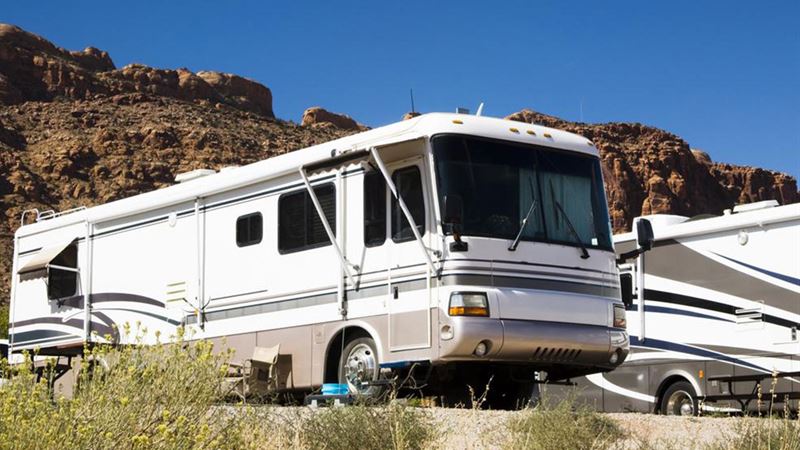
Conduct a Detailed Inspection
Before committing to buy a pre-owned motorhome, it’s essential to perform a meticulous assessment of the vehicle. While initial impressions matter, a deeper inspection can uncover significant issues that could lead to costly repairs down the line. Take your time to examine every aspect of the motorhome, including both visible and hidden damages. Don’t just focus on superficial flaws; look for underlying problems such as leaks, rust, mold, and structural damages that might not be immediately obvious. Pay close attention to the roof, awnings, and seals, as these areas are common sites for water infiltration and deterioration. Smells, unusual odors, and signs of mold or mildew can indicate hidden water damage or poor maintenance. Consider returning for a second inspection to avoid oversight. Remember, a used motorhome’s price reflects factors like depreciation and underlying defects. If you notice multiple issues but consider the vehicle salvageable, approach the negotiation with confidence, informing the seller of these defects and proposing a fair price that accounts for repairs or negotiations for a better deal.
Verify the Vehicle’s History
Transparency about the motorhome’s history can influence your buying decision significantly. Request detailed records and maintenance history to confirm the vehicle’s condition and prior usage. Be cautious if the seller hesitates or refuses to provide comprehensive documents. Fraudulent claims or incomplete records can hide serious problems, so it’s wise to conduct independent verifications. Examine registration papers, service logs, and any modification records. Inquire about previous accidents, repairs, or modifications done to the motorhome, ensuring the claims match the documentation. Comparing what the seller reports with the provided records can reveal discrepancies or red flags. If any doubts arise, use this information as leverage during negotiations to lower the price or clarify terms. Conversely, if the history checks out and the vehicle appears trustworthy, you can proceed with confidence. However, if there are concerns about the vehicle’s integrity or history, it’s prudent to walk away to avoid future headaches and unexpected expenses.