
Essential Guide to Purchasing a Used Motorhome: Key Tips and Considerations
Discover comprehensive tips for buying a used motorhome, including inspection advice, negotiation strategies, and essential documentation checks. Ensure your purchase is reliable and cost-effective for long-lasting adventures.
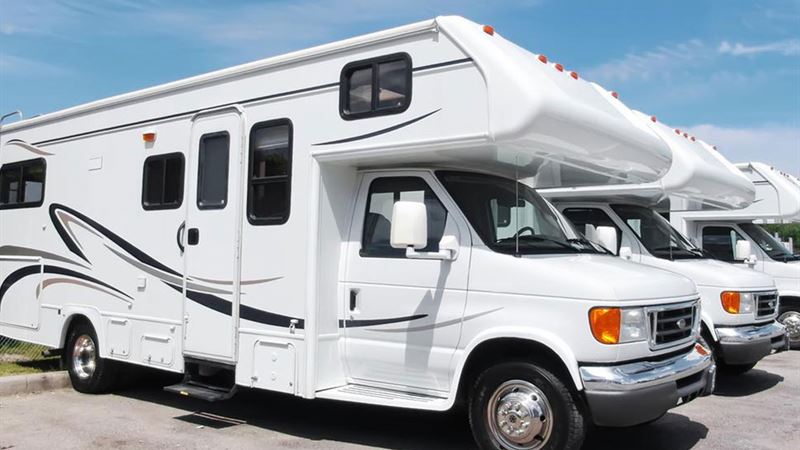
Opting for a pre-owned motorhome over a brand-new model can be a smart choice for many travelers and hobbyists. Purchasing a used motorhome allows you to access high-quality vehicles at a fraction of the cost of new ones, often with a proven track record of reliability and performance. However, buying a used motorhome also comes with its own set of challenges, including potential hidden issues and additional maintenance costs that may arise post-purchase. Being well-informed and prepared is crucial to making a sound investment and ensuring your adventures are not marred by unforeseen problems.
In this comprehensive guide, we will explore essential tips, practical advice, and key considerations to help you navigate the process of purchasing a used motorhome. Whether you're a seasoned RV enthusiast or a first-time buyer, understanding the nuances of the used motorhome market can save you money and headaches while ensuring you get a dependable vehicle that meets your travel needs.
Here are detailed pointers to assist you in making an informed decision and securing a motorhome that offers both value and peace of mind:
- Research and Preparation: Prior to viewing any vehicles, establish a clear idea of your needs, preferences, and budget. Do extensive research on different makes and models to understand their common issues, advantages, and the market value. Preparing a list of must-have features versus nice-to-have options will help you stay focused during the buying process.
- Ask Critical Questions: When inspecting a used motorhome, don't hesitate to interrogate the seller about the vehicle's history, previous accidents, maintenance routines, and any repairs carried out. Transparency from the seller is vital for assessing the vehicle's true condition.
- Inspection of Exterior and Interior: Conduct a thorough visual inspection of both the exterior and interior. Look for signs of poor repair, rust, dents, scratches, or patches that could indicate previous damage or cover-ups. Pay special attention to the roof, sides, and undercarriage.
- Examine Structural Components: Check the thickness of the aluminum panels and inspect for irregularities. Inappropriate thickness might suggest subpar materials or repairs, which could affect durability and safety.
- Investigate Insurance and Maintenance History: Request documentation such as insurance policies, maintenance logs, and any modification records. Well-maintained vehicles with documented care are often more reliable.
- Test Drive the Vehicle: Never skip a trial run. Run the motorhome on various road conditions, including rough patches, to evaluate handling, suspension, braking, and engine performance. Pay attention to any unusual noises or vibrations.
- Evaluate the Mechanical Systems: Check the functionality of appliances, heating, cooling, lighting, and plumbing systems. Confirm that all vital components are operational and well-maintained.
- Assess the Age and Condition of Key Components: Pay close attention to the age and state of the tires, batteries, and tires. Replacing these parts can be costly and is often necessary for safety and reliability.
- Negotiate the Price: Based on your inspection and research, negotiate the price with the seller. Be ready to walk away if the deal doesn’t meet your expectations or if you uncover significant issues.
- Consider Professional Inspection: If you're unsure about your evaluation skills, hire a qualified mechanic or RV inspector to assess the vehicle thoroughly before completing the purchase. An expert opinion can reveal hidden faults and save you money in the long run.
- Review Title and Ownership Documents: Ensure the vehicle has a clean title with no liens or legal issues. Confirm the seller is the legitimate owner and that all paperwork is in order for a hassle-free transfer.
Purchasing a used motorhome can be an incredibly rewarding experience when done with due diligence. With careful inspection, thorough research, and prudent negotiation, you can find a dependable vehicle that suits your travel lifestyle, keeps you within budget, and provides years of adventure. Remember, patience and attention to detail are your best tools for making a successful purchase in the used RV market. Happy travels!