
Revolutionizing Comfort and Care: The Role of Lift Chairs in Medical Recovery and Daily Life
Discover the crucial role of lift chairs in medical recovery and daily comfort. From their evolution over decades to their status as essential medical equipment, learn how these versatile chairs aid in mobility, enhance patient care, and integrate advanced technology to improve lives at home and in healthcare settings. Explore their benefits, innovations, and future trends shaping the industry.
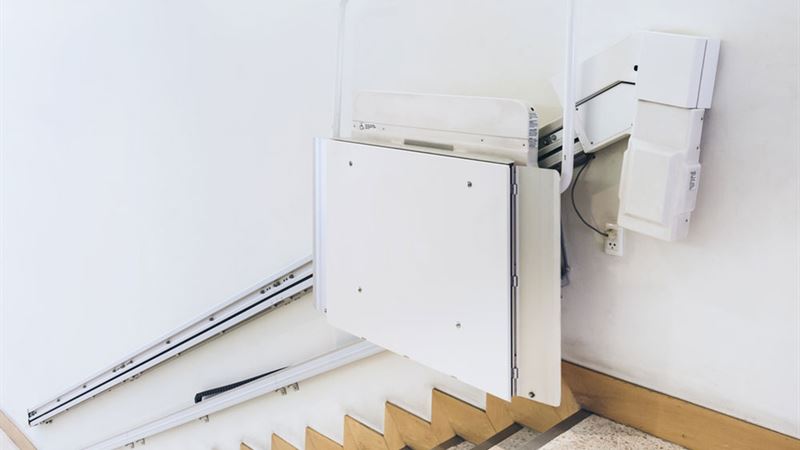
Over the past decade, the presence of lift chairs has grown beyond the living room into hospitals, rehabilitation centers, and nursing homes, where they play a crucial role in patient recuperation. These specialized recliners offer not just comfort but also assist individuals with mobility challenges, making everyday movements safer and more manageable. As a vital part of medical equipment, lift chairs are now recognized for their therapeutic benefits, aiding patients who are recovering from surgeries, injuries, or illnesses.
The evolution of lift chairs reflects advancements in health care technology and a deeper understanding of patient needs. Initially, these chairs served as simple recliners with adjustable features, but modern designs incorporate sophisticated lift mechanisms that facilitate easy standing and sitting, reducing strain on joints and muscles. This innovation has broadened their application, making lift chairs essential in home care, assisted living facilities, and hospitals alike.
In recent years, the significance of lift chairs has been officially acknowledged by healthcare authorities. The Social Security Administration, a key agency overseeing benefits and medical equipment classifications, identified lift chairs as Durable Medical Equipment (DME). This designation affirms their medical utility, emphasizing their role in improving patient mobility and comfort during recovery. The classification underscores that the internal lifting mechanism—the core component—is what defines their medical functionality, distinguishing them from standard recliners.
Beyond individual use, lift chairs are now integrated into various medical devices. Many hospital beds incorporate lift mechanisms that support patient repositioning, prevent pressure ulcers, and facilitate transfers. Such innovations highlight the substantial influence lift chair technology has had on modern healthcare, providing safer, more comfortable environments for patients and caregivers alike.
The flexibility and adaptability of lift chairs make them invaluable assets across healthcare settings. They are designed to accommodate a range of conditions, from arthritis and mobility impairments to post-surgical recovery. Moreover, their aesthetic options and customizable features allow patients to enjoy comfort without sacrificing style, blending seamlessly into home interiors.
As the market continues to evolve, the future of lift chairs looks promising. Innovations in materials, remote control operation, and smart technology integration aim to further enhance user experience and therapeutic benefits. The ongoing research and development in this field ensure that lift chairs will remain at the forefront of medical and home care solutions for years to come.
In conclusion, lift chairs are much more than simple furniture pieces—they are pivotal tools in modern healthcare and home wellness. Their journey from basic recliners to sophisticated medical aids reflects technological progress and an ever-growing commitment to patient comfort and safety. Whether for medical recovery, mobility assistance, or everyday relaxation, lift chairs continue to transform lives worldwide, offering independence and comfort to those who need it most.