
Comprehensive Guide to Laser Eye Surgery: Eligibility, Costs, and What to Expect
This comprehensive guide explores LASIK eye surgery, detailing eligibility, costs, technology options, and post-operative care. Learn how to determine if you're a suitable candidate, understand the pricing factors, and find tips for choosing the right clinic. LASIK offers a safe, minimally invasive way to achieve clear vision and reduce reliance on corrective lenses, making it an excellent choice for those seeking lasting eye health and quality of life improvement.
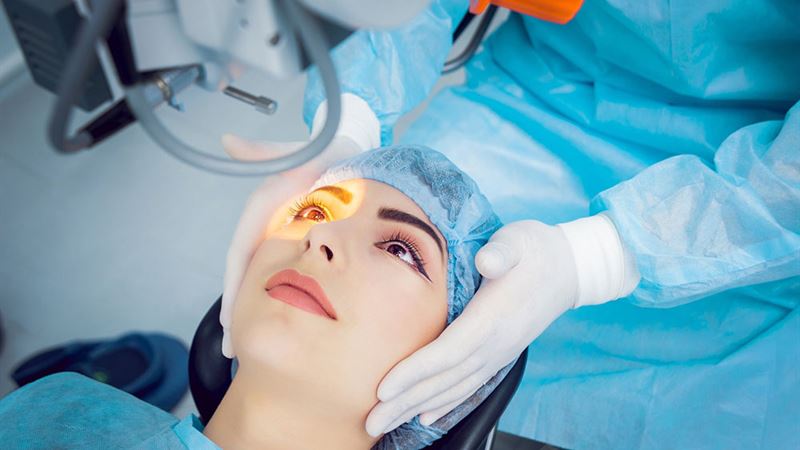
Laser eye surgery, commonly known as LASIK, has revolutionized the way we correct vision issues such as nearsightedness, farsightedness, and astigmatism. Designed to offer clear, crisp vision without reliance on glasses or contact lenses, LASIK has become a popular procedure worldwide. For millions, it's a life-changing treatment that restores visual clarity and enhances daily life quality. This extensive guide delves into the details of LASIK surgery, including eligibility criteria, procedural insights, costs, and post-operative expectations, helping you make an informed decision about your eye health journey.
LASIK operates by precisely reshaping the cornea—the transparent front part of the eye—using advanced laser technology, enabling light to focus correctly onto the retina. The result is often remarkable, with most patients achieving 20/20 vision or better. While the procedure boasts high success rates, understanding the entire process, from eligibility to recovery, is crucial to ensure safety and satisfaction.
Post-surgery, minor side effects like blur or double vision are common initially but typically resolve within days. The natural healing process continues over several months, during which patients must adhere to prescribed eye drops, maintain proper nutrition, and avoid eye strain. Proper self-care ensures optimal healing and long-term eye health.
Understanding LASIK Surgery: An Overview
LASIK, or Laser-Assisted In Situ Keratomileusis, utilizes state-of-the-art laser technology to precisely modify the shape of the cornea. This correction optimizes the way light enters the eye, significantly improving vision. The procedure is minimally invasive, performed on an outpatient basis, and generally takes less than 30 minutes per eye. Many patients experience rapid visual improvement after surgery, often within 24 hours.
Advanced LASIK techniques include wavefront-guided and femtosecond laser procedures, which enhance precision and customize treatment based on individual eye measurements. These technological advancements contribute to higher success rates, reduced risk of side effects, and enhanced vision quality for patients.
Who is an Ideal Candidate for LASIK?
Determining eligibility for LASIK requires a thorough eye examination and assessment by an experienced ophthalmologist. While the ideal candidate profile can vary, certain general criteria are universally recognized:
- Age: Candidates should be at least 18 years old. Since the eye continues to develop during adolescence, the corneal shape may still fluctuate at a younger age, affecting the stability of vision correction. Most surgeons prefer patients in their mid-20s or older, as early adulthood usually provides stable prescriptions.
- Eye Health: Healthy eyes free of infections, significant dry eye issues, or recent injuries are essential. Unhealthy eyes or ongoing infections can complicate healing or lead to complications.
- Refractive Stability: Your prescription should be stable for at least one to two years before considering LASIK. Fluctuating prescriptions indicate ongoing changes in eye shape, which can negate the long-term effectiveness of the surgery.
- Corneal Thickness: Adequate corneal thickness is vital for safe reshaping. Thin corneas can increase the risk of complications and may necessitate alternative procedures.
While age and health are critical factors, they are not the only considerations. The surgeon will evaluate your complete eye health profile through detailed tests before recommending LASIK. Sometimes, even if patients meet criteria, individual consideration factors might require alternative therapies.
Optimal Timing for LASIK
The ideal age for LASIK tends to be in the mid- to late-20s, as prescriptions tend to stabilize by then. Nonetheless, individuals in their 30s, 40s, and beyond can also benefit from LASIK, provided their eyes are healthy and stable. Notably, people over 40 may experience presbyopia—an age-related near vision decline—that LASIK does not correct. In such cases, reading glasses might still be necessary after surgery.
In special scenarios, older adults can undergo LASIK combined with other procedures like lens replacement to address presbyopia or cataracts. The key is a comprehensive eye examination and personalized consultation to determine the best course of action.
Breaking Down the Costs of LASIK
Cost is a significant factor influencing your decision to pursue LASIK. As of 2024, prices can vary considerably based on location, technology, surgeon expertise, and clinic reputation. In metropolitan areas, the average cost of LASIK ranges from approximately €1,050 to €3,000 per eye, with some premium procedures reaching higher prices.
Several factors affect the overall expense:
- Technology Used: Advanced techniques like wavefront-guided or femtosecond laser LASIK tend to be costlier but often offer better outcomes and fewer complications.
- Clinic Reputation: Established clinics with experienced surgeons and high success rates typically charge more for their services.
- Location: Urban centers usually have higher prices due to increased overheads and demand, while smaller towns may offer more budget-friendly options.
- Care Packages: Some clinics provide bundled packages that include pre-operative evaluations, the procedure, post-operative care, and follow-up visits. While convenient, these packages might come at a premium.
Comparing several clinics is advisable—obtain detailed quotes and understand exactly what is included. Ask about additional costs such as medications, follow-up visits, or complication management. Considering the technology and reputation of the surgeon often justifies higher costs, which can lead to better outcomes and fewer risks.
Key Tips for Choosing the Right Clinic
Before selecting a LASIK provider, do thorough research. Reach out to multiple clinics to gather quotes and service details. Reading reviews, testimonials, and patient experiences can offer valuable insights into clinic quality and surgeon proficiency.
Consider the following when making your choice:
- Verify the surgeon's qualifications, experience, and success rates.
- Ensure the clinic uses modern laser technology and adheres to strict safety protocols.
- Review before-and-after photos to assess the quality of results.
- Ask about their post-operative care and complication management policies.
Personal referrals from friends or colleagues who’ve undergone LASIK recently can also provide trustworthy recommendations and candid feedback about their experience.
Insurance and Financial Planning
While standard health insurance usually does not cover LASIK, some supplementary insurance policies might contribute partially towards the cost. Typically, these policies reimburse up to €500 or more per eye, leaving the remaining expense to be paid out-of-pocket.
Check your insurance policy details and speak directly with providers about coverage options. Some clinics also offer financing plans or installment payments, making the procedure more accessible for those with budget constraints.
What to Expect Before, During, and After LASIK
Preparation involves a comprehensive eye examination, including measurements of corneal thickness, refraction, and overall eye health. Your surgeon will discuss realistic expectations, potential risks, and the recovery process during this consultation.
The procedure itself is quick—usually under 30 minutes per eye—and performed under local anesthesia with numbing drops. Patients often experience a sensation of pressure or mild discomfort during the process.
Post-surgery, you can expect mild discomfort, light sensitivity, and visual fluctuations. Most patients see clearly within 24 to 48 hours, but complete healing may take several months. Strict adherence to prescribed eye drops, avoiding strenuous activities, and attending follow-up appointments ensure optimal recovery.
Common side effects include dry eyes, glare, or halos, which usually resolve within a few weeks. Serious complications are rare, especially when performed by qualified surgeons.
The Long-term Perspective of LASIK
LASIK provides lasting correction for most patients. However, presbyopia and age-related changes may require additional procedures later in life. Regular eye check-ups remain essential to monitor eye health and adapt to any new vision corrections needed over the years.
In conclusion, LASIK has transformed many lives by offering an effective and convenient solution for vision correction. With proper assessment, choosing a reputable clinic, and following post-operative guidelines, patients can enjoy a significant improvement in their daily visual experience.