
Comprehensive Guide to LASIK Eye Surgery: Essential Considerations and Costs
This comprehensive guide explores everything about LASIK eye surgery, including key considerations, costs, procedure steps, and aftercare. It helps prospective patients understand the process, costs involved, and factors affecting their decision, ensuring informed choices for improved vision and safety.
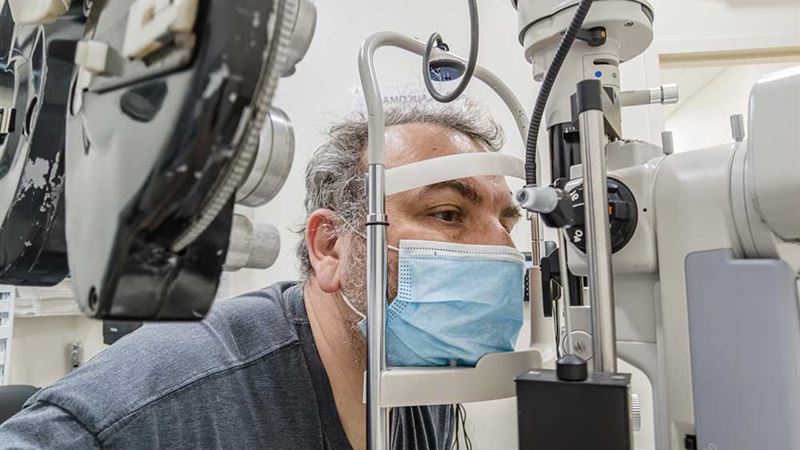
- What outcomes can I realistically expect from this treatment?
- How long will my recovery process take, and what should I expect during healing?
- Are there any significant risks or potential complications associated with LASIK?
- What will be the total cost, including pre-surgery assessments and post-operative care?
On average, LASIK procedures can range from approximately £1,200 to £4,000 per eye, though these figures vary depending on multiple factors. Recognizing these factors can assist patients in budgeting and selecting a clinic that aligns with their financial and health considerations.
- Advanced Technology: Modern clinics leverage cutting-edge laser technology to perform highly precise and safe surgeries. Clinics equipped with the latest tools generally charge higher fees due to their enhanced capabilities, which can improve the accuracy and safety of the procedure.
- Geographical Location: The cost of LASIK varies significantly based on location. Major urban centers like London and the South East typically have higher prices reflecting increased living costs and the presence of specialized clinics—for instance, prices in London often average around £2,500 to £3,000 per eye, which is higher than in less metropolitan regions.
- Pre-Surgery Evaluation: Clinics that employ their own optometrists or eye specialists to conduct assessments may charge less. Conversely, when surgeons perform these evaluations themselves, additional charges may apply, increasing the overall cost.
- Aftercare Services: Post-operative care, including follow-up visits, medication, and protective measures, are usually included in the clinic’s initial quote. However, clinics offering comprehensive aftercare often charge additional fees. Patients seeking to reduce expenses may opt out of these services, but this can impact recovery outcomes.
- Complexity of Individual Cases: Not all eyes are the same. Patients with severe refractive errors, corneal irregularities, or other eye conditions may require more complex procedures, leading to higher costs. These operations often take longer, require specialized techniques, and are available only at select high-end clinics. It’s important for patients to verify whether their specific correction needs can be addressed at their chosen facility to avoid unnecessary delays or complications.
The LASIK procedure is designed for efficiency and safety, typically taking less than thirty minutes per eye. Although the precise steps may differ slightly depending on the clinic’s protocols and technology, the core phases of surgery involve meticulous preparation, precise laser application, and followed-up assessments for optimal results.
- Preoperative Eye Mapping: Prior to surgery, detailed 3D scans of the eyes are performed to create accurate maps of the corneal structure. These maps guide the laser adjustments needed to correct the refractive error precisely.
- Anesthesia and Eye Stabilization: The surgeon administers numbing drops to eliminate discomfort. To maintain steady eyes during the procedure, small clamps or lids are used, and gentle suction is applied to prevent movement, ensuring precise laser targeting.
- Corneal Flap Creation and Reshaping: Using an ultra-thin blade or a laser (femtosecond laser), the surgeon creates a hinged flap on the cornea. This flap is carefully lifted, exposing the underlying tissue. The main laser then reshapes the cornea by removing microscopic layers to correct the refractive error. Once reshaping is complete, the flap is repositioned and allowed to settle naturally.
- Post-Reshaping Care: After reshaping, the flap is secured, and any necessary protective overlays like transparent shields or specially designed contact lenses are applied. These protect the eyes during early healing phases, which typically last a few days to weeks.
After the procedure, patients are advised to rest and avoid activities that might strain the eyes. Eye drops to prevent infection, reduce inflammation, and keep the eyes moist are usually prescribed. Patients should refrain from vigorous physical activities, swimming, or contact sports for at least a few weeks, depending on individual healing progress.
Routine follow-up visits are essential to monitor healing and address any issues promptly. Most patients notice significant visual improvement within days to weeks, with full stabilization typically occurring around three months. Some cases might require additional adjustments or enhancements, especially if initial results are not aligning with expectations.
Choosing a reputable clinic with experienced surgeons is critical. It’s important for patients to thoroughly research and compare clinics, their technology, and the expertise of their staff. Ensuring proper preoperative assessments and post-operative monitoring can dramatically affect the success and safety of LASIK surgery.
While LASIK surgery offers a highly effective solution for refractive errors, it is not without considerations. Patients should weigh the benefits against potential risks and costs, ensuring they select qualified professionals in a well-equipped facility. Proper understanding of the procedure, realistic expectations, and diligent aftercare are the pillars of achieving the best possible results from LASIK.
Overall, informed decision-making and thorough consultation are paramount to enjoying the benefits of improved vision and enhanced quality of life through LASIK eye surgery.