
Top Features to Consider When Choosing a Fitness Tracker for Better Health Monitoring
Discover the essential features to consider when choosing a fitness tracker. From calorie counting and sleep analysis to heart rate monitoring and waterproof design, learn how these features can support your health goals. Our detailed guide helps you select the right device that matches your lifestyle, whether you're a casual exerciser or an athletic enthusiast. Make an informed decision and optimize your fitness journey with the perfect wearable device tailored to your needs, ensuring better health insights and motivation every step of the way.
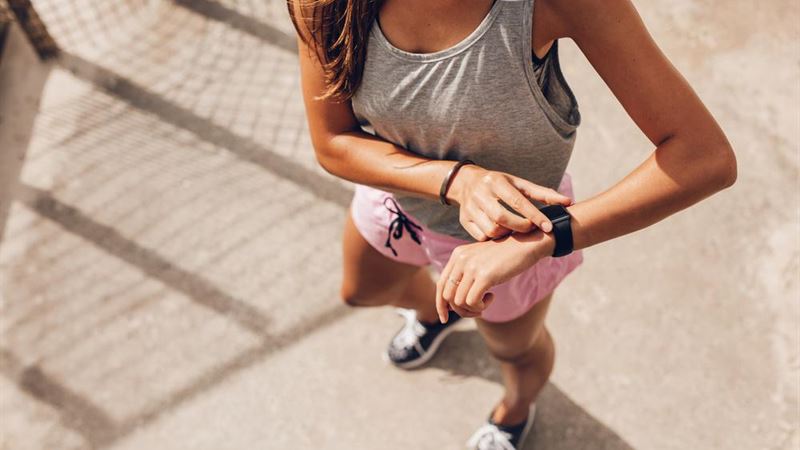
- Calorie Monitoring – A key feature of many fitness devices is the ability to estimate calories burned based on activity levels and heart rate data. This function often integrates with smartphone applications where you can log your meals and track calorie intake. By comparing calories consumed and burned, you can optimize your diet for weight management, muscle gain, or fat loss. Accurate calorie counting helps you stay accountable and make healthier eating choices, making it an indispensable tool for weight-conscious users.
- Sleep Quality Analysis – Adequate sleep is fundamental to overall health, and many advanced trackers now include sleep tracking capabilities. These devices utilize sensors to monitor sleep duration, depth, and sleep cycle patterns, providing insights into sleep quality. They also record interruptions during the night, such as awakenings or restlessness. By analyzing this data, you can identify factors that disturb your sleep and adjust your routine for better rest, leading to improved energy levels and overall well-being.
- Heart Rate Monitoring – Continuous heart rate tracking is a crucial feature, especially for those engaged in cardio exercises or managing health conditions. Equipped with optical sensors, fitness trackers can provide real-time heart rate data, allowing users to optimize workout intensity and ensure they stay within safe ranges. Athletes benefit from detailed recovery heart rate information, while individuals with cardiovascular conditions can monitor their health more closely.
- Gentle Wake-Up Alarms – Traditional alarm sounds can be disruptive and stressful. Many fitness trackers now feature silent alarms that gently vibrate to wake you up at the optimal moment in your sleep cycle. This feature ensures a refreshed start to your day without disturbing your bed partner and is especially useful for light sleepers or those with morning routines requiring a calm wake-up.
- Progress Dashboards and Personal Goals – Most fitness devices sync with dedicated smartphone apps that serve as dashboards for your health data. You can set personalized fitness targets such as step counts, active minutes, or calorie burns. As you progress, the app provides motivational messages, badges, and progress reports. Some platforms also facilitate collective goal setting with friends or community groups, fostering a sense of accountability and camaraderie.
- Mobile Notifications – Staying connected is easier with fitness trackers that support alerts for calls, messages, emails, and app notifications. This feature is especially valuable during meetings, workouts, or travel, allowing you to stay updated without constantly checking your smartphone. It ensures important communication isn’t missed while helping you minimize distractions.
- Battery Longevity – A good fitness tracker should have a reliable battery life that aligns with your usage. Many models boast battery spans from five to seven days, reducing the hassle of frequent recharging. Longer-lasting batteries are particularly convenient for travelers or those with busy schedules, ensuring continuous monitoring without interruptions.
- Water and Sweat Resistance – For swimmers and outdoor enthusiasts, waterproof or water-resistant trackers are a must. These devices are designed to withstand exposure to water, sweat, and humidity, allowing users to track their activities without concern. Waterproof models typically facilitate swimming-specific metrics, making them ideal for athletes and water lovers alike.
It's vital to recognize that not all fitness trackers offer the same array of features. Assessing your personal needs, fitness level, and lifestyle will help you determine the ideal combination of functionalities. For someone seeking basic activity monitoring, a device with just step tracking and smartphone connectivity might suffice. However, serious athletes or those with specific health concerns may require advanced features such as detailed heart rate zones, GPS tracking, and comprehensive sleep analysis. Before making a purchase, review product specifications and consider future upgrade options to ensure your device supports your evolving fitness journey.
Tag – Wearable Technology