
Comprehensive Guide to the Future of Intelligent Apparel and Wearable Tech Innovations
Discover the future of wearable technology with our in-depth guide to smart clothing. Learn how these lightweight, inconspicuous garments with embedded sensors revolutionize health monitoring, fitness tracking, healthcare, and fashion. Find out about the latest innovations, current applications, and what to expect in smarter, more connected apparel that seamlessly integrates into daily routines for improved wellbeing and style.
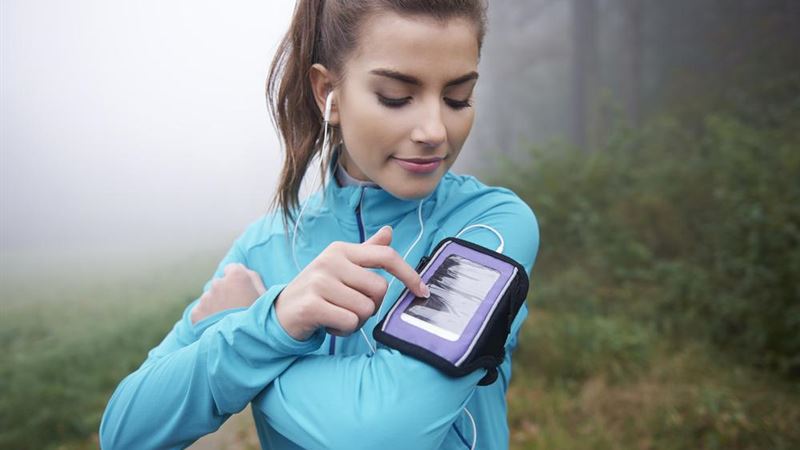
Smart clothing represents a significant leap forward in wearable technology, blending fashion with functionality to enhance health, fitness, and convenience in everyday life. These garments are designed to be lightweight, inconspicuous, and comfortable, much like traditional clothing, yet embedded with advanced sensors capable of monitoring various physiological parameters. As technology progresses, smart apparel is poised to become a staple in both the fashion industry and healthcare sectors, revolutionizing how we perceive and utilize clothing in daily routines.
Understanding the nuances of smart clothing entails exploring its core functionalities, benefits, current applications, and future potential. In this comprehensive guide, we delve into how these innovative garments operate, their impact on fitness and healthcare, and what to expect in the coming years.
**Enhanced Precision and Reliable Data Collection** – One of the primary advantages of smart clothing lies in the accuracy of the data it provides. Unlike traditional wearables such as wristbands or chest straps, smart apparel incorporates sensors positioned close to the skin, enabling more precise readings of vital signs such as heart rate, pulse, and movement. This proximity reduces errors caused by external factors or device misplacement, making the collected data highly dependable for both fitness enthusiasts and medical professionals.
**Beyond Basic Metrics: Deeper Insights into Health and Fitness** – Modern smart garments are evolving beyond simple step counts and heart rate monitoring. They now integrate sensors capable of tracking respiratory rates and muscle activity, offering a comprehensive overview of physical performance. For instance, yoga practitioners can benefit from smart clothing that monitors breathing patterns, helping improve posture and achieve more complex poses through real-time feedback. Athletes can refine their training by analyzing muscle engagement and fatigue levels, enhancing overall efficiency and reducing injury risks.
**Transforming Healthcare with Smart Apparel** – The applications of intelligent clothing extend into healthcare, where they serve as non-invasive, continuous monitoring tools. Wearable sensors embedded in clothing can track infants' vital signs, providing peace of mind for parents and healthcare providers. In addition, medical-grade garments are being developed to help detect early signs of cardiovascular diseases, assist in managing chronic conditions, and facilitate remote patient monitoring — all of which contribute to personalized and timely medical interventions.
**Ease of Maintenance and Future Innovations** – A common concern with wearable tech is durability and ease of cleaning. Currently, many smart garments require careful hand washing after detaching sensors. However, industry leaders are investing in the development of washable, even waterproof, embedded sensors that can withstand machine washes, simplifying maintenance and enhancing user experience. Future innovations may include fully waterproof smart apparel, expanding usability across different activities and environments.
**Seamless Connectivity and Integration** – Just like fitness trackers and smartwatches, modern smart clothing seamlessly connects to smartphones and other devices via Bluetooth or NFC technology. This connectivity allows users not only to access real-time data but also to share achievements on social media platforms, fostering community engagement and motivation. Some garments come equipped with GPS tracking and other advanced features, broadening their functionality beyond health metrics to include navigation and location-based services.
**Fashion Meets Functionality** – The range of smart clothing options is vast, encompassing everything from athletic wear such as running shoes, sports bras, and yoga pants to everyday apparel like jackets, trousers, and dresses. These products, often called e-textiles, are designed to blend technology with style effortlessly. As advancements continue, smart clothing is increasingly being viewed as a fashionable, functional addition to wardrobes rather than a niche product.
Some prominent examples of smart clothing products include Hexoskin, Samsung NFC suit, Owlet Smart Sock 2, Nadi X yoga pants, SUPA Powered Sports Bra, Lumo Run, Levi’s x Google Jacquard Jacket, MyZone Sports Bra, Athos, Sensoria running socks 2.0, and Neopenda smart baby hat. Each of these products caters to specific niche markets, with varying features and price points, reflecting the growing diversity in the smart apparel industry.
In addition to clothing, the realm of wearable technology encompasses smart jewelry, intelligent wristbands, headbands, and advanced smartwatches. These devices, along with smart clothing, are transforming how we track health, stay connected, and enhance performance — making wearable tech an integral part of modern life.
With ongoing research and technological breakthroughs, the future of smart clothing holds exciting possibilities, including fully autonomous garments that adapt to user needs, advanced biometric sensors, and integration with other smart home or health systems. As the boundaries between fashion, technology, and healthcare continue to blur, smart apparel is destined to become a core element in the evolving landscape of personal wellness and digital connectivity.
Understanding the nuances of smart clothing entails exploring its core functionalities, benefits, current applications, and future potential. In this comprehensive guide, we delve into how these innovative garments operate, their impact on fitness and healthcare, and what to expect in the coming years.
**Enhanced Precision and Reliable Data Collection** – One of the primary advantages of smart clothing lies in the accuracy of the data it provides. Unlike traditional wearables such as wristbands or chest straps, smart apparel incorporates sensors positioned close to the skin, enabling more precise readings of vital signs such as heart rate, pulse, and movement. This proximity reduces errors caused by external factors or device misplacement, making the collected data highly dependable for both fitness enthusiasts and medical professionals.
**Beyond Basic Metrics: Deeper Insights into Health and Fitness** – Modern smart garments are evolving beyond simple step counts and heart rate monitoring. They now integrate sensors capable of tracking respiratory rates and muscle activity, offering a comprehensive overview of physical performance. For instance, yoga practitioners can benefit from smart clothing that monitors breathing patterns, helping improve posture and achieve more complex poses through real-time feedback. Athletes can refine their training by analyzing muscle engagement and fatigue levels, enhancing overall efficiency and reducing injury risks.
**Transforming Healthcare with Smart Apparel** – The applications of intelligent clothing extend into healthcare, where they serve as non-invasive, continuous monitoring tools. Wearable sensors embedded in clothing can track infants' vital signs, providing peace of mind for parents and healthcare providers. In addition, medical-grade garments are being developed to help detect early signs of cardiovascular diseases, assist in managing chronic conditions, and facilitate remote patient monitoring — all of which contribute to personalized and timely medical interventions.
**Ease of Maintenance and Future Innovations** – A common concern with wearable tech is durability and ease of cleaning. Currently, many smart garments require careful hand washing after detaching sensors. However, industry leaders are investing in the development of washable, even waterproof, embedded sensors that can withstand machine washes, simplifying maintenance and enhancing user experience. Future innovations may include fully waterproof smart apparel, expanding usability across different activities and environments.
**Seamless Connectivity and Integration** – Just like fitness trackers and smartwatches, modern smart clothing seamlessly connects to smartphones and other devices via Bluetooth or NFC technology. This connectivity allows users not only to access real-time data but also to share achievements on social media platforms, fostering community engagement and motivation. Some garments come equipped with GPS tracking and other advanced features, broadening their functionality beyond health metrics to include navigation and location-based services.
**Fashion Meets Functionality** – The range of smart clothing options is vast, encompassing everything from athletic wear such as running shoes, sports bras, and yoga pants to everyday apparel like jackets, trousers, and dresses. These products, often called e-textiles, are designed to blend technology with style effortlessly. As advancements continue, smart clothing is increasingly being viewed as a fashionable, functional addition to wardrobes rather than a niche product.
Some prominent examples of smart clothing products include Hexoskin, Samsung NFC suit, Owlet Smart Sock 2, Nadi X yoga pants, SUPA Powered Sports Bra, Lumo Run, Levi’s x Google Jacquard Jacket, MyZone Sports Bra, Athos, Sensoria running socks 2.0, and Neopenda smart baby hat. Each of these products caters to specific niche markets, with varying features and price points, reflecting the growing diversity in the smart apparel industry.
In addition to clothing, the realm of wearable technology encompasses smart jewelry, intelligent wristbands, headbands, and advanced smartwatches. These devices, along with smart clothing, are transforming how we track health, stay connected, and enhance performance — making wearable tech an integral part of modern life.
With ongoing research and technological breakthroughs, the future of smart clothing holds exciting possibilities, including fully autonomous garments that adapt to user needs, advanced biometric sensors, and integration with other smart home or health systems. As the boundaries between fashion, technology, and healthcare continue to blur, smart apparel is destined to become a core element in the evolving landscape of personal wellness and digital connectivity.