
Comprehensive Guide to Managing Diabetes Using Blood Sugar Monitoring Charts
This comprehensive guide explores how blood sugar monitoring charts play a critical role in effective diabetes management. By tracking blood glucose levels accurately, patients can prevent complications, optimize treatment, and adopt healthier lifestyles. The article details normal blood sugar ranges, how to interpret readings, and the importance of consistent monitoring. It emphasizes the benefits of self-care and medical collaboration, helping diabetics maintain optimal health. Learn everything you need about using blood sugar charts to control diabetes and improve overall quality of life.
Diabetes mellitus is a chronic metabolic disorder characterized by high blood sugar levels resulting from the body's inability to produce sufficient insulin or effectively use the insulin produced. There are primarily two types of diabetes: Type 1, which is entirely insulin-dependent, and Type 2, which is more prevalent and involves insulin resistance or inadequate insulin secretion. Additionally, conditions like juvenile diabetes and gestational diabetes are increasingly diagnosed, requiring diligent management. Effective control of blood glucose levels is vital in preventing severe complications such as blindness, cardiovascular disease, limb amputations, and increased susceptibility to infections.
Monitoring blood sugar levels consistently using blood sugar charts is a crucial part of diabetes management. These charts serve as invaluable tools in tracking daily fluctuations, understanding patterns, and making informed lifestyle adjustments. Proper use of blood sugar charts empowers patients to maintain their health and reduce reliance on emergency interventions or medication adjustments.
Understanding Blood Sugar and Its Implications
Blood sugar, or blood glucose, refers to the concentration of glucose present in the bloodstream. It plays a vital role as the primary energy source for body cells. Under normal circumstances, blood glucose levels are tightly regulated by insulin and other hormonal mechanisms. However, in diabetics, these regulatory systems malfunction, leading to abnormal glucose levels.
The significance of monitoring blood sugar cannot be overstated—it provides real-time insights into how well your body manages glucose. Elevated levels, known as hyperglycemia, can cause damage to blood vessels, kidneys, eyes, and nerves. Conversely, hypoglycemia, or low blood sugar, under 50 mg/dl, can cause dizziness, confusion, loss of consciousness, or even seizures. Therefore, maintaining blood glucose within a healthy target range is essential for ongoing health and wellbeing.
What Are Blood Sugar Charts and How Do They Help?
A blood sugar chart is a structured table or graph that records your blood glucose measurements over time. It usually includes columns for the date, time of measurement (fasting or post-meal), and the glucose reading in mg/dl or mmol/l. Additionally, the chart provides reference target ranges, allowing users to compare their actual levels with the standard acceptable ranges.
These charts are instrumental in identifying patterns such as frequent spikes after meals, morning fasting levels, or nighttime hyperglycemia. By analyzing these patterns, individuals can tailor their lifestyle, diet, or medication regimens more effectively, with guidance from healthcare professionals.
Normal Blood Glucose Levels and When to Be Concerned
Maintaining blood glucose within specified limits is key to preventing complications. For fasting blood sugar, a normal range is typically between 70-130 mg/dl. Postprandial (after eating) blood sugar levels should ideally stay below 180 mg/dl, generally measured two hours after a meal. Values surpassing this threshold suggest poor glucose control and may necessitate medical intervention.
Low blood sugar levels, or hypoglycemia, below 50 mg/dl, pose immediate health risks such as fainting, seizures, and in severe cases, coma. Recognizing these ranges helps individuals take prompt action, whether by adjusting diet, activity, or medication dosage. Regular monitoring ensures blood sugar remains within safe limits, reducing risks associated with both hyperglycemia and hypoglycemia.
How to Use and Maintain Blood Sugar Charts
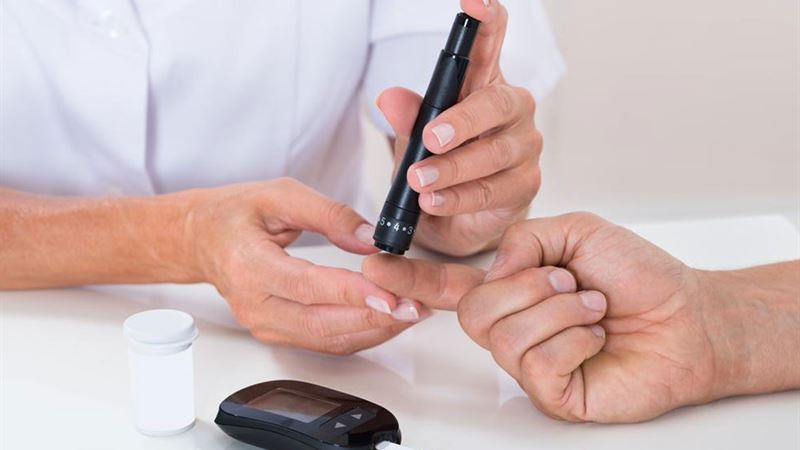
To effectively use blood sugar charts, individuals can download printable templates or use digital applications tailored for blood glucose tracking. Portable blood glucose meters facilitate convenient testing at home. A small drop of blood is obtained by pricking the finger and applied to a test strip inserted into a glucose meter. The device displays the current blood sugar level within seconds.
Going forward, users record these readings in their physical or digital charts, noting the time of measurement and any relevant notes such as dietary intake or physical activity. Comparing readings taken before meals and after allows for a comprehensive understanding of how different factors influence blood sugar levels.
Interpreting Blood Sugar Readings
Consistent recording and analysis of blood sugar data help detect trends that inform treatment adjustments. For example, a recurring post-meal spike above 180 mg/dl indicates inadequate insulin response or dietary habits that need modification. Similarly, consistently low fasting readings may suggest overtreatment with insulin or other diabetic medications.
By maintaining a detailed log, patients and healthcare providers can collaboratively determine whether current management strategies are effective or require changes. The chart acts as a diagnostic tool, guiding medication adjustments, lifestyle modifications, and dietary planning tailored to individual needs.
Benefits of Regular Monitoring with Blood Sugar Charts
Regular blood sugar monitoring offers numerous advantages. It enhances awareness of how food choices, physical activity, medication adherence, stress, and illness affect blood glucose levels. This understanding fosters proactive management, preventing unexpected hyper- or hypoglycemic episodes.
Furthermore, these charts provide vital data during medical consultations, enabling clinicians to adjust treatment plans accurately. Over time, they help quantify progress, motivate adherence to care plans, and educate patients about their condition.
Preventing Complications Through Early Detection
Early detection of abnormal glucose patterns can lead to timely interventions, reducing the risk of long-term complications. For example, identifying persistent high fasting blood sugar levels can prompt lifestyle interventions such as weight management, dietary changes, and increased physical activity. It also facilitates medication optimization in consultation with healthcare providers.
For non-diabetics, periodic blood sugar checks can reveal pre-diabetic tendencies, allowing for preventive measures to halt progression to full-blown diabetes. This proactive approach emphasizes the importance of understanding blood glucose dynamics early in life.
Empowering Self-Care and Medical Collaboration
Blood sugar charts empower individuals to take charge of their health, encouraging periodic self-assessment and fostering informed discussions with doctors. It transforms diabetes management from reactive treatment to an active, preventive approach centered around monitoring and lifestyle adjustments.
In summary, utilizing blood sugar charts effectively is a cornerstone of modern diabetes care. They provide clarity, help prevent complications, and support personalized treatment protocols, ultimately leading to better health outcomes. Embracing regular monitoring and interpretation of blood glucose levels ensures that diabetics and pre-diabetics can lead healthier, more controlled lives, reducing the burden of this chronic disease.