
Comprehensive Guide to Understanding Healthy Blood Sugar Levels
This extensive guide on normal blood sugar levels covers measurement techniques, ideal ranges, symptoms of imbalance, and associated health risks. It emphasizes the importance of regular monitoring using modern tools like CGMs and traditional testing methods. Learn how maintaining healthy blood glucose levels can prevent serious health issues such as diabetes, nerve damage, kidney problems, and vision impairment. With practical advice on lifestyle management and early detection, this article aims to empower individuals to take control of their metabolic health for a healthier future.
The most accurate way to assess fasting blood sugar is by testing after an overnight fast, usually for about 8-10 hours. Ideally, fasting blood sugar should stay within the range of 70-99 mg/dl. This measurement provides insight into how well your body manages blood glucose without recent food intake. Maintaining fasting blood sugar within this threshold reduces the risk of developing diabetes and related health issues.
Next, post-meal blood sugar levels are vital to understanding how your body processes glucose after eating. Blood samples taken approximately 1.5 to 2 hours after a balanced lunch should measure between 90-140 mg/dl. Elevated levels might indicate insulin resistance or impaired glucose tolerance, signaling the need for medical consultation or lifestyle modifications.
The Hemoglobin A1c (HbA1c) test offers a comprehensive view of blood sugar control over the past two to three months. An HbA1c below 5.7% is considered indicative of normal blood sugar levels for non-diabetics. Regular monitoring helps tailor dietary and activity modifications to maintain this healthy range and prevent diabetes.
For individuals diagnosed with diabetes, maintaining optimal blood sugar levels becomes a continuous effort. The target fasting blood sugar typically ranges from 80 to 130 mg/dl, and post-meal levels should remain below 180 mg/dl to prevent complications. An HbA1c goal for most diabetics is below 7.0%, signifying effective long-term management.
Understanding the symptoms of high blood sugar is critical for early detection. Common signs include persistent fatigue, increased hunger, frequent urination, dry or itchy skin, and blurred vision. Recognizing these symptoms allows for prompt testing and intervention, which can prevent severe complications.
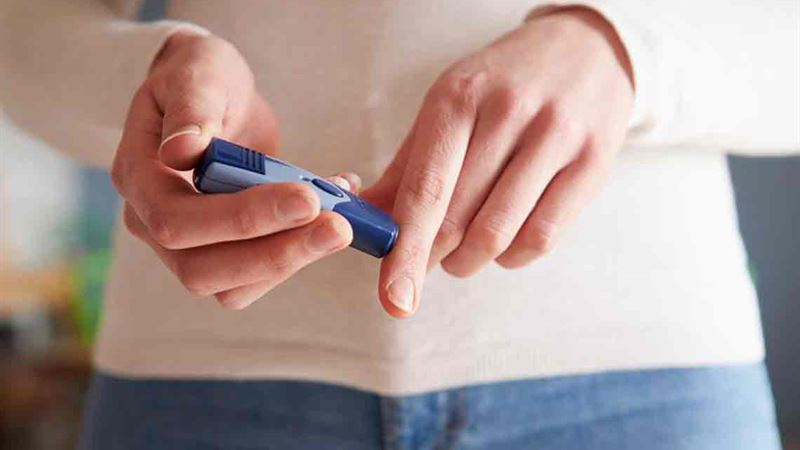
Monitoring blood glucose levels requires reliable tools. Continuous Glucose Monitors (CGM) are increasingly popular, offering real-time data by inserting a sensor under the skin, usually near the abdomen. This technology provides a continuous stream of information, helping users make timely adjustments to their diet, activity, or medication. Traditional finger-stick testing remains a practical alternative, involving pricking the finger to obtain a small blood sample for immediate analysis using a glucose meter.
For those without diabetes, regular screening—every six months to once a year—can help maintain healthy blood sugar levels. Blood tests performed while fasting and two hours after eating offer baseline data to compare against the standard ranges and detect early signs of metabolic imbalance.
High blood sugar levels pose several health risks over time. Chronic hyperglycemia can damage nerves, leading to neuropathy, and cause kidney impairment, potentially resulting in nephropathy. Blood vessel damage is another serious concern, increasing the risk of cardiovascular disease. Furthermore, damage to tiny blood vessels in the eyes can cause diabetic retinopathy, leading to impaired vision or blindness.
Managing your blood sugar proactively involves lifestyle adjustments such as a balanced diet, regular exercise, weight management, and medication adherence when necessary. Staying informed about your blood sugar levels empowers you to make healthier choices and reduce the risk of long-term complications.
In summary, understanding and maintaining normal blood sugar levels is an essential component of overall health. From understanding the optimal ranges to recognizing symptoms and knowing testing methods, taking charge of your blood glucose can lead to a healthier, happier life. Regular checkups and mindful habits are your best tools for preventing diabetes and ensuring your body functions smoothly.