
Comprehensive Guide to Blood Glucose Testing and Its Importance
This comprehensive article explores blood glucose testing, its vital role in diabetes management, different testing methods, normal ranges, and how insulin regulates blood sugar. It emphasizes the importance of regular monitoring to prevent complications and improve health outcomes, offering in-depth guidance for patients and caregivers alike.
Sources and Regulation of Blood Glucose
Glucose originates primarily from the carbohydrates we consume in our diet. Carbohydrates in foods like bread, rice, pasta, fruits, and vegetables are broken down into simple sugars during digestion, which then enter the bloodstream to be used as fuel. The body’s metabolism processes these sugars rapidly, but the degree and speed vary depending on the type of carbohydrate and other factors such as fat and protein intake.
While carbohydrates are the main source of blood glucose, small amounts of glucose are also derived from proteins. Proteins can be converted into glucose through a process called gluconeogenesis, predominantly in the liver. This process helps maintain blood glucose levels during fasting or between meals. Fat, on the other hand, is not a significant source of glucose; less than 10% of fats are converted into glucose, and this process is slow, contributing minimally to immediate energy needs.
High-fat diets tend to slow down carbohydrate conversion to glucose, leading to delayed spikes in blood sugar levels post-meal. This can contribute to insulin resistance over time, raising the risk of developing type 2 diabetes and other metabolic disorders.
The Dangers of Elevated Blood Sugar Levels
Maintaining blood sugar within a healthy range is critical for overall health. Hyperglycemia, or high blood sugar, can cause extensive damage if left unmanaged. Chronic hyperglycemia damages blood vessels, leading to atherosclerosis and increasing the risk of heart attacks and strokes. It also affects small vessels, potentially causing kidney failure, blindness, and nerve damage. These complications underscore the importance of regular blood sugar monitoring.
Conversely, dangerously low blood sugar (hypoglycemia) can be life-threatening, resulting in symptoms like dizziness, confusion, seizures, unconsciousness, and even death. A balanced insulin response is vital to keeping blood glucose within an optimal range.
The Role of Insulin in Blood Sugar Regulation
Insulin, a hormone produced by the pancreas, is essential for controlling blood glucose levels. When we consume food, particularly carbohydrates, the pancreas detects the rise in blood sugar and stimulates insulin production. Insulin facilitates the movement of glucose from the bloodstream into cells—muscle, liver, or fat tissues—where it is either used immediately for energy or stored for future use.
During this process, blood glucose levels decrease, signaling the pancreas to reduce insulin secretion once optimal levels are achieved. This feedback mechanism ensures glucose remains in a narrow, healthy range. In diabetics, either insulin production is impaired or the body's cells become resistant to insulin, leading to elevated blood glucose levels and subsequent health issues.
Understanding Blood Glucose Tests
A blood glucose test measures the amount of glucose present in the bloodstream at a particular moment. It is a vital diagnostic tool used to detect diabetes, assess how well managing the disease is going, or diagnose other health conditions related to blood sugar imbalance. Blood glucose readings are typically expressed in millimoles per liter (mmol/L) or milligrams per deciliter (mg/dL).
Blood sugar levels fluctuate throughout the day influenced by food intake, physical activity, stress, and hormonal changes. In healthy individuals, the body responds efficiently through insulin regulation, maintaining blood sugar within a normal range. However, in people with diabetes, regulation often fails, resulting in persistent hyperglycemia or hypoglycemia.
Normal Blood Sugar Levels
- For individuals without other health concerns, blood glucose levels should ideally fall between 80–120 mg/dL when fasting.
- For older adults or those with comorbidities such as heart or kidney disease, a slightly higher range of 100–140 mg/dL is often considered acceptable.
Blood Glucose Testing Methods
The frequency and type of testing depend on individual health status and physician recommendations. Several testing procedures are available, including lab-based tests and home self-monitoring kits.
- Fasting Plasma Glucose (FPG) Test: Measures blood sugar after an overnight fast of at least eight hours. It provides a snapshot of your blood glucose level without recent food intake, aiding in diagnosing diabetes or prediabetes.
- A1C Test: Reflects average blood glucose levels over the past 2-3 months. It’s particularly useful for assessing long-term glucose control and making treatment decisions.
- Random Plasma Glucose Test: Measures blood sugar at any time of the day, regardless of last meal. Elevated levels may warrant further testing to confirm diabetes.
- Additional tests such as Oral Glucose Tolerance Test and Glucose Challenge Test are used especially during pregnancy to identify gestational diabetes.
Laboratory Blood Glucose Analysis
Blood samples are obtained via venipuncture, typically from a vein in the arm. Venous blood is preferred over arterial blood, as it provides a more accurate representation of blood glucose levels. The sample is analyzed in the lab using reagents such as glucose oxidase, which react with glucose in the sample to produce measurable signals, ensuring high accuracy.
Lab testing is managed by trained professionals and is considered the gold standard for diagnosing diabetes or hypoglycemia. Results help guide treatment plans and determine if lifestyle adjustments or medication are necessary.
Home Blood Glucose Monitoring
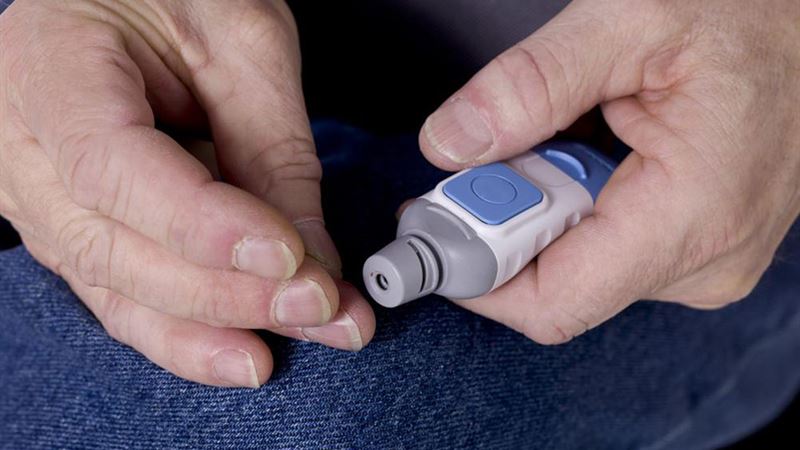
For individuals with diabetes or those under medical supervision, self-monitoring is vital. A device called a glucometer allows quick and easy testing at home. It involves pricking a finger with a lancet to obtain a small blood drop, which is then applied to a test strip. The glucometer then displays the blood sugar reading within seconds on its screen.
This method enables real-time management of blood glucose levels and helps prevent highs and lows. Consistent monitoring can improve disease management, prevent complications, and provide critical data for healthcare providers.
Diagnosis and testing for diabetes
Diet and blood sugar management