
Comprehensive Dietary Strategies to Manage Symptoms of Chronic Myeloid Leukemia
This comprehensive guide offers effective dietary strategies for managing chronic myeloid leukemia symptoms. It emphasizes the importance of nutrient-rich fruits and vegetables, highlights gut-friendly foods, and advises on avoiding foods that can compromise immunity. Implementing these nutritional practices can significantly improve patient well-being, reduce treatment side effects, and support overall health. Collaborate with healthcare professionals to develop personalized meal plans that boost recovery and strengthen the immune system during leukemia treatment.
Managing chronic myeloid leukemia (CML) involves a multifaceted approach, where nutrition plays a pivotal role in supporting treatment and boosting the immune system. Proper dietary choices can alleviate symptoms, reduce side effects from therapies like chemotherapy, and strengthen the body's defenses. This detailed guide explores various nutritional strategies, including enriching the diet with nutrient-dense fruits and vegetables, choosing gut-friendly superfoods, and avoiding foods that may compromise health during treatment. Adopting these dietary practices can significantly improve quality of life for individuals battling CML.
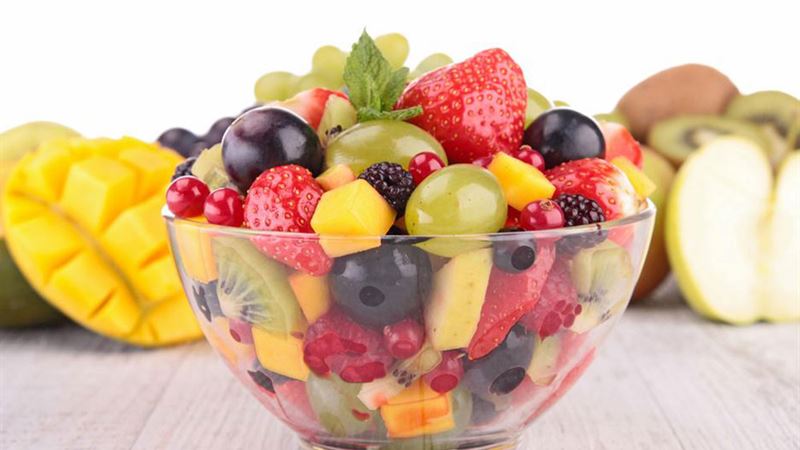
One of the cornerstone recommendations is to incorporate abundant servings of fresh fruits into daily meals. Fruits are an excellent source of essential vitamins, minerals, phytochemicals, and antioxidants, all of which contribute to fighting cancer cells and enhancing immune function. Ideally, patients should aim for five to ten servings of a variety of fruits each day. Incorporate fruits into salads, breakfast cereals, smoothies, yogurts, and baking recipes to meet daily nutritional needs and provide the body with vital compounds that support healing.
In addition to fruits, including specific vegetable-based soups can offer therapeutic benefits. Green leafy vegetables such as spinach, kale, collard greens, chard, and mustard greens are rich in antioxidants and phytochemicals that may help combat inflammation and support detoxification pathways. Preparing gentle vegetable broths or pureed soups from these greens provides a nourishing and easily digestible meal option, especially for those experiencing gastrointestinal discomfort from treatments. Also, consuming low-sodium vegetable juices can hydrate the body while avoiding excess salt intake.
Addressing gastrointestinal side effects common during chemotherapy, such as nausea and vomiting, is crucial. Opt for foods that are soothing and gentle on the stomach. For instance, bland carbohydrate foods like crackers and plain toast can help settle nausea. Herbal teas, particularly chamomile, ginger, or peppermint, may soothe inflamed stomach linings. Frozen treats like popsicles and ginger ale serve as hydrating, cooling options that can alleviate discomfort. Avoid spicy, greasy, or heavily seasoned foods, as they may exacerbate stomach problems and cause further irritation.
Food safety becomes especially important when considering immune suppression associated with CML treatments. Neutropenia, a condition characterized by low neutrophil white blood cell counts, increases susceptibility to infections. To reduce the risk of foodborne illness, individuals should avoid consuming raw or undercooked foods. This means steering clear of raw vegetables and fruits, including those with thin skins. Instead, opt for fruits with thick peels such as bananas, oranges, and kiwis, which can be peeled before eating. All raw or undercooked meats, seafood, and eggs should be avoided, along with deli meats, salads served at salad bars, and other ready-to-eat items that may harbor bacteria.
In tandem with food preparation precautions, it is advisable to reduce or eliminate intake of certain high-risk foods like soft cheeses, especially mold-ripened varieties. Soft cheeses such as Brie, Camembert, Gorgonzola, Roquefort, Stilton, and blue-veined cheeses often contain molds or bacteria that can pose risks to immunocompromised individuals. These cheeses can harbor Listeria or other pathogens that could cause severe infections. Ensuring dairy intake comprises pasteurized dairy products can minimize these risks.
Beyond dietary choices, incorporating immune-boosting superfoods can support the body's resilience. Foods rich in omega-3 fatty acids, such as oily fish like salmon and mackerel, help reduce inflammation. Whole grains, nuts, seeds, and legumes contribute to overall health and energy levels. Adequate hydration through water, herbal teas, and clear broths is equally important for maintaining optimal bodily functions and flushing out toxins.
Finally, working closely with healthcare providers and registered dietitians is essential to tailor dietary plans to individual needs, treatment schedules, and tolerances. A well-planned, nutrient-rich diet can reduce treatment side effects, improve immune function, and empower patients to face their health challenges with greater confidence. Nutrition is a vital component of comprehensive leukemia management, and making conscious, healthful food choices can have a profound impact on survival and quality of life.