
Understanding Male Hair Loss: Causes, Stages, and Prevention Strategies
This comprehensive article explores male hair loss, detailing the stages classified by the Norwood Scale, diagnostic methods, and prevention strategies. It provides insights into early signs, effective treatments, and lifestyle tips to delay or prevent balding. The guide emphasizes early diagnosis and personalized approaches for better hair health and confidence, helping men understand their condition and take proactive steps to preserve their hair. Ideal for anyone seeking detailed information about male pattern baldness and its management.
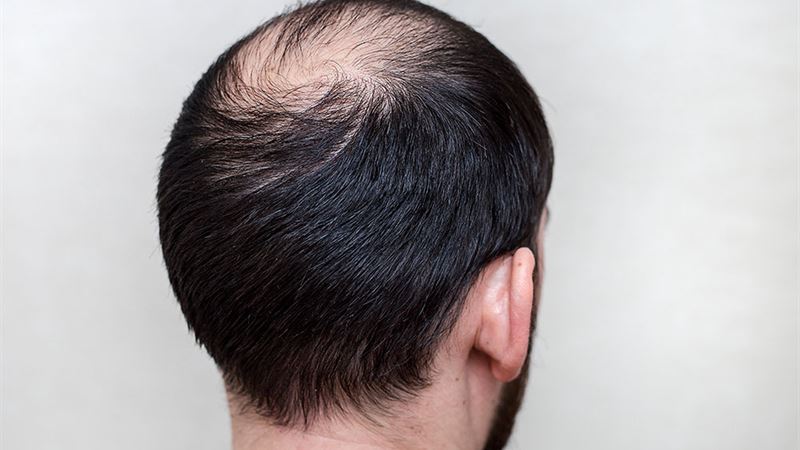
Comprehensive Overview of Male Hair Loss and Its Stages
Hair loss, medically termed alopecia, affects a significant portion of the male population worldwide. It manifests in various forms, stages, and intensities, often leading to psychological and social impacts. Understanding the progression, diagnosis, and preventative measures of male-pattern hair loss is crucial for effective management. This extensive guide aims to provide clarity on the causes, different stages as classified by the Norwood Scale, diagnostic procedures, and strategies to delay or prevent hair thinning and balding.
Progression of Hair Loss: An In-Depth Look
The process of hair loss in men is a gradual one, often characterized by distinct stages. Recognizing these stages can help in early intervention and tailored treatment plans. The Norwood Scale, a widely accepted classification, divides male pattern baldness into seven key stages, from minimal recession to advanced baldness.
- Stage 1: Minimal Signs of Hairline Recession
At this initial stage, signs of hair loss are subtle. There might be a slightly receded hairline that is often overlooked. Hair thinning is minimal and usually considered within normal variation. - Stage 2: Development of Receding Hairline
The hairline begins to mature, with noticeable recession around the temples. This stage may be discreet but signals the beginning of pattern baldness in men. - Stage 3: Noticeable Balding and Recession
The receding pattern becomes more evident. Hair loss forms an M, U, or V shape due to deeper recession of the temporal regions. Thinning on the crown starts becoming apparent. - Stage 4: Increased Recession and Thinning
The hair recession deepens, especially on the crown, with minimal hair remaining on the vertex. A connecting band of hair may still be visible across the scalp. - Stage 5: Further Progression of Baldness
The dense band of hair connecting the frontal and vertex areas narrows, and bald patches expand. The separation between the two balding areas becomes more pronounced. - Stage 6: Complete Balding of Certain Areas
The connecting band disappears entirely, merging the balding regions on the crown and temples into a larger bald area. - Stage 7: Advanced Complete Hair Loss
The most severe stage, characterized by a band of remaining hair at the back and sides of the scalp, with extensive baldness across the top and front.
Diagnostic Procedures for Hair Loss
Accurate diagnosis is essential for effective treatment. Several tests assist in understanding the root causes of hair loss, including:
- Blood Tests
Help identify underlying medical conditions such as thyroid issues, hormonal imbalances, or nutritional deficiencies that contribute to hair thinning. - Pull Test
Gentle pulling of small hair strands to observe shedding patterns, indicating active hair loss. - Scalp Biopsy
Removal of a small scalp tissue sample to examine hair follicles and scalp health under a microscope. - Light Microscopy
Analyzing hair roots and follicles microscopically to detect abnormalities or signs of damage.
Effective Strategies to Prevent or Delay Hair Loss
While male pattern baldness is largely genetic, several measures can help reduce progression or delay onset. These include lifestyle modifications, hair care routines, and medical treatments. Practical prevention tips are as follows:
- Avoid hot water and harsh shampoos that can weaken hair shafts.
- Use gentle, nourishing hair products suitable for your scalp type.
- Regular scalp massages performed by professionals can stimulate blood circulation and promote healthy hair growth.
- Adopt a balanced diet rich in vitamins and minerals essential for hair health, such as biotin, zinc, and iron.
- Reduce stress levels through relaxation techniques, as stress is known to accelerate hair loss.
- Consider medical treatments like minoxidil or finasteride, which are FDA-approved for hair loss management.
- Explore advanced solutions such as hair transplant surgeries and laser therapy devices like laser combs for long-term benefits.
In conclusion, understanding the stages, diagnosis methods, and preventative options for male hair loss enables proactive management. Early detection and tailored treatment plans can significantly improve outcomes and help maintain a fuller head of hair for longer.