
Comprehensive Guide to Choosing Optimal Footwear for Foot Pain Relief
Discover the key features of shoes designed to alleviate foot pain, including orthotic support, arch stabilization, and ergonomic design. Learn how to select the best footwear for your specific condition, backed by expert advice and research. Improve foot health and enjoy everyday activities without discomfort by choosing supportive, comfortable shoes tailored to your needs.
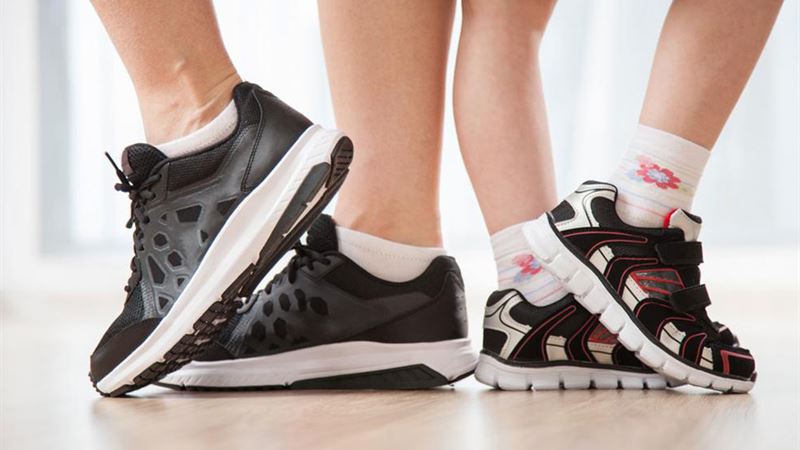
Experiencing foot pain can significantly affect your overall well-being, leading to discomfort not only in your feet but also radiating throughout your body. The key to alleviating this pain lies in selecting footwear that provides adequate support, comfort, and structural integrity. Modern footwear engineering focuses on creating shoes specifically designed to address foot pain, incorporating biomechanical principles to support foot health effectively. These shoes often feature orthotic insoles, specialized arch supports, and ergonomic designs that align the foot properly, especially during movement.
When searching for the best shoes for foot pain, comfort should be your priority. Shoes designed for pain relief typically come with extra depth, giving toes ample space and preventing pressure points. Soft, seamless uppers reduce friction and pressure on sensitive areas, ensuring a comfortable fit. Lightweight soles with ergonomic technology facilitate natural foot motion and help distribute weight evenly, reducing stress on joints and muscles.
Healthy feet comprise three distinct arches: the medial arch, lateral arch, and transverse arch, all of which work in harmony to support walking, running, and standing. Foot pain often arises when these arches are compromised or misaligned. Most mainstream footwear lacks the necessary features to maintain arch integrity or provide the therapeutic support your feet need. Specially engineered shoes maintain arch support, absorb shocks, and reduce impact forces that can contribute to pain and fatigue.
Choosing the right footwear for foot pain requires careful research and consultation. Avoid rushing your decision, as choosing poorly suited shoes may worsen existing issues. Use online reviews and product comparisons to guide your selection, but the most reliable source of guidance remains your healthcare provider. A podiatrist can diagnose the root cause of your foot pain—such as plantar fasciitis, flat feet, or bunions—and recommend footwear tailored to your needs.
Price can be a determining factor, but prioritize quality and durability. High-quality shoes, though sometimes more expensive upfront, tend to last longer, provide better support, and prevent further damage. Be wary of substandard products, as poorly made shoes can aggravate foot problems and lead to chronic discomfort. Reputable brands often offer a blend of affordability and craftsmanship, making them ideal choices for long-term health.
Foot pain can also stem from specific conditions like corns, calluses, plantar warts, or bony protrusions such as bunions or bone spurs. Each condition requires particular footwear features—such as cushioned insoles for corns or supportive designs for flat feet—to facilitate pain relief and improve walking comfort. Orthotic inserts are another effective option for correcting biomechanical issues like ankle misalignment or overpronation, further easing discomfort and preventing future injuries.
Your foot is a complex structure, composed of bones, tendons, ligaments, muscles, nerves, and joints—all working together to enable movement and balance. When any component is compromised, pain and dysfunction follow. Intelligent footwear that offers biomechanical support can restore harmony among these elements, reducing strain and promoting healthier foot function. Remember, the right shoes can make a significant difference in preventing future injuries and maintaining mobility well into old age.