
Comprehensive Guide to Understanding Causes of Insomnia and How to Overcome It
This comprehensive article explores the myriad causes of insomnia, including stress, lifestyle habits, medical conditions, and environmental factors. It provides practical strategies for improving sleep hygiene, managing triggers, and seeking professional help if needed. Understanding these factors is crucial to effectively combat chronic sleep disturbances and restore restful sleep, vital for overall health and well-being.
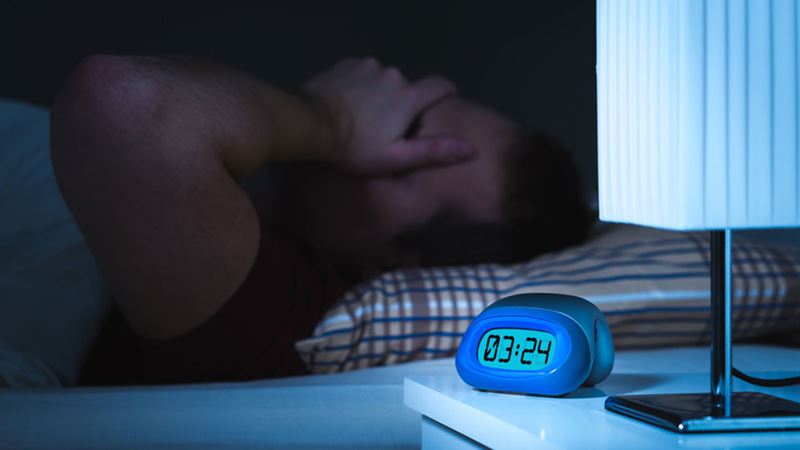
Insomnia is a prevalent sleep disorder affecting millions worldwide. It manifests as difficulty falling asleep, staying asleep, or experiencing restful sleep. While occasional sleepless nights are common, chronic insomnia can significantly impact one’s physical health, mental well-being, and daily functioning. Understanding the root causes of insomnia is essential to effectively address and manage this condition. In this extensive guide, we explore the various factors that contribute to insomnia, including psychological stress, lifestyle choices, medical conditions, and environmental influences, along with practical strategies to restore healthy sleep patterns.
- Psychological Stress and Anxiety: Daily stressors such as work pressure, academic challenges, financial worries, relationship issues, or traumatic experiences can activate the mind at night, making it difficult to relax and transition into sleep. Chronic stress leads to heightened cortisol levels, which interfere with the body's ability to initiate and maintain sleep. Anxiety disorders, including generalized anxiety disorder and post-traumatic stress disorder, can cause racing thoughts and hyperarousal, profoundly disrupting sleep cycles. Managing stress through relaxation techniques, cognitive-behavioral therapy (CBT), mindfulness, and counseling can significantly improve sleep quality.
- Disrupted Circadian Rhythm and Work Schedules: Our bodies operate on a natural circadian rhythm—a 24-hour internal clock that regulates sleep-wake cycles. Any irregularities, such as shift work, frequent travel across time zones, or altered sleep schedules, can throw off this rhythm, leading to insomnia. Shift workers often suffer from sleep disturbances due to inconsistent sleep times and exposure to artificial light at night. Jet lag similarly impacts circadian synchronization, causing tiredness, irritability, and sleep difficulties. Establishing a consistent sleep routine and utilizing light therapy can help recalibrate the body's internal clock.
- Poor Sleep Hygiene and Habits: Sleep hygiene refers to behaviors and environmental factors that influence sleep quality. Unhealthy habits such as irregular bedtimes, excessive daytime napping, using electronic devices like smartphones and tablets before bed, watching television or engaging in stimulating activities in bed, and consuming stimulating substances can interrupt sleep patterns. Creating a sleep-friendly environment—dark, quiet, and cool—and establishing a relaxing pre-sleep routine can foster better sleep. Limiting screen time at least an hour before bed and avoiding stimulating activities can enhance sleep onset and continuity.
- Dietary Factors and Eating Habits: Eating heavy or spicy meals close to bedtime can cause discomfort, indigestion, and acid reflux, all of which hinder sleep. Consuming caffeine or nicotine in the late afternoon or evening stimulates the nervous system, increasing alertness and delaying sleep onset. Additionally, alcohol, although initially sedative, can fragment sleep and reduce overall sleep quality. Adopting light, healthy evening snacks and avoiding caffeine and nicotine after midday can promote more restful sleep.
- Medication and Substance Use: Many medications have side effects that interfere with sleep. Certain antidepressants, blood pressure medications, steroids, and stimulants used for ADHD may disrupt sleep patterns. Pain medications and corticosteroids can cause wakefulness or discomfort, hampering rest. Substance use, including recreational drugs and alcohol, can alter sleep architecture and reduce restorative sleep phases. If medication was initiated and sleep problems ensue, consulting a healthcare provider for alternative options or adjusting dosages is advisable.
- Medical Conditions and Physical Health: Numerous health issues contribute to insomnia, such as chronic pain, asthma, allergies, restless leg syndrome, and thyroid disorders. Psychological conditions like depression and anxiety also exert a significant impact. Managing underlying health issues, adhering to treatment plans, and seeking medical advice can alleviate sleep disturbances associated with these conditions. Regular health check-ups and screenings are vital for identifying and treating underlying medical problems.
- Stimulants and Lifestyle Choices: Consuming substances like caffeine, nicotine, and other stimulants in the late afternoon or evening heightens alertness and delays sleep. Recreational drugs and stimulants used for performance enhancement can severely impair sleep quality. Adopting a healthy lifestyle, reducing dependence on stimulants, and engaging in regular physical activity during the day can foster deeper, more restorative sleep at night. Avoiding vigorous exercise close to bedtime and incorporating relaxation techniques such as yoga or meditation can also help reduce stress and promote sleep readiness.
In summary, insomnia is a multifaceted disorder influenced by psychological, behavioral, physiological, and environmental factors. Addressing sleep issues requires a comprehensive approach that includes lifestyle modifications, stress management, environmental adjustments, and when necessary, medical intervention. Implementing good sleep hygiene practices and consulting healthcare professionals for persistent disturbances can greatly improve sleep quality and overall health. If sleep problems persist despite these measures, visiting a sleep specialist or sleep center for detailed evaluation and targeted treatment may be necessary to restore healthy sleep patterns and improve quality of life.