
Comprehensive Guide to Cell Phone Tracking Laws and Ethical Scenarios
This detailed article offers a comprehensive overview of cell phone tracking laws across different states, emphasizing lawful methods and ethical considerations. It explains when and how tracking is permissible, highlights state-specific regulations, and provides practical guidance for legal tracking, including using carrier services, apps, or private investigators. Understanding these legal boundaries helps individuals and professionals avoid penalties while responsibly utilizing tracking technology for safety, family monitoring, or investigative purposes.
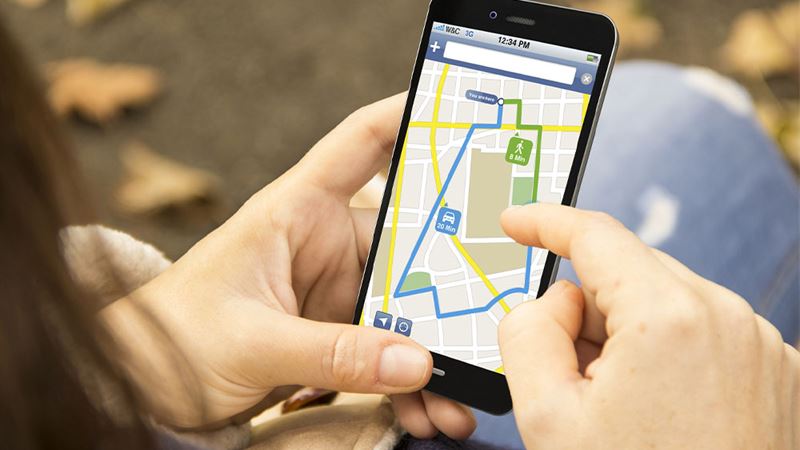
Cell phone tracking has become commonplace, especially with the proliferation of smartphones equipped with GPS technology. However, legal boundaries govern who can track a device, under what circumstances, and how data can be accessed or shared. Failure to adhere to these regulations may result in penalties including fines, lawsuits, or criminal charges. This article provides a detailed overview of the legal requirements in various regions, methods available for legitimate tracking, and best practices to avoid legal pitfalls.
Legal constraints differ notably from state to state in the United States. Federal law also impacts certain tracking activities, especially concerning wiretapping and privacy rights. It is therefore essential to understand both state-specific laws and federal statutes that could influence tracking practices. This comprehensive review aims to furnish readers with a clear understanding of when and how cell phone tracking is legal, enabling responsible use of this technology.
State-by-State Breakdown of Cell Phone Tracking Laws
In the United States, cell phone tracking laws are complex and heterogeneous. Some states impose strict regulations requiring warrants before accessing location data, while others have comparatively lenient laws or lack explicit statutes on this matter. Here's a detailed overview of the legal scenarios in different states:
- States with No Mandate for Warrants: Alaska, Arizona, Arkansas, Hawaii, Idaho, Iowa, Kansas, Missouri, Nebraska, New Mexico, New York, North Dakota, Oklahoma, Oregon, South Dakota, Washington, Wisconsin, Wyoming. In these regions, law enforcement or private individuals can access certain location data without warrants, though federal restrictions may still apply.
- States Requiring Warrants for Tracking: Alabama, Georgia, Illinois, Indiana, Kentucky, Louisiana, Michigan, Mississippi, Nevada, North Carolina, Ohio, South Carolina, Tennessee, Texas, West Virginia. In these jurisdictions, law enforcement must obtain a proper warrant to access real-time or historical location information, aligning with Fourth Amendment protections.
- States with Specific Protections or Ambiguous Laws: California, Maine, Massachusetts, Minnesota, Montana, New Jersey, Rhode Island, Utah, Vermont. These states often have statutes that provide privacy safeguards, sometimes requiring warrants or explicit consent for tracking.
- States with Mixed or Conflicting Regulations: Florida, Maryland, Virginia. Jurisdictions where laws are still evolving or contain conflicting provisions, necessitating careful legal interpretation.
Understanding these distinctions is critical for legal, investigative, and personal purposes. It ensures compliance and prevents inadvertent violations that could lead to prosecution.
Guidelines and Legal Considerations for Cell Phone Tracking
Before engaging in any form of phone tracking, consider these essential points:
- Always obtain explicit consent from the individual if possible. This is the safest way to ensure legal compliance and ethical integrity.
- If tracking is for legal purposes, such as law enforcement investigations, ensure all procedures are documented, and warrants are secured where required.
- Be aware of federal laws, including the Electronic Communications Privacy Act (ECPA), which regulate interception and access to electronic communications.
- Engaging third-party service providers or private investigators should be done with contracts specifying lawful and ethical practices.
- Understanding the differences between real-time and historical location data rights is vital. Some laws may allow access to certain data without a warrant, while others require strict legal procedures.
How to Legally Track a Cell Phone
Within legal bounds, there are several practical and ethical ways to track a cell phone:
1. Tracking with Consent from the Device Owner
If the person owns the device or grants permission, various service providers offer reliable tracking solutions. These methods include:
- Carrier-based Family Plans: Many carriers offer family locator services, such as AT&T Family Map, Sprint Family Locator, and Verizon Family Locator. These apps allow authorized users to view location history and receive alerts when the device leaves a designated area.
- Built-in Operating System Features: Modern smartphones have embedded tracking functionalities. Apple’s Find My iPhone and Google's Find My Device are popular options that require owner permission but provide precise location tracking.
- Third-party Tracking Apps: Apps such as Life360, Glympse, or FamilyTrack can be installed with owner consent to monitor location in real-time, share routes, and set geofences.
2. Tracking Without Owner Permission (Legal in Certain Cases)
Tracking someone without their knowledge or consent is generally illegal unless you have specific legal authority, such as:
- Having court-issued warrants based on probable cause.
- Possessing parental authority or guardian rights for minors.
- Being an employer following lawful monitoring policies in compliance with labor laws.
Some apps available for authorized tracking include:
- Connect: Aggregates social media activity and location-related posts to provide an overview of a person’s activity, often used for investigations with consent.
- Find My Friends: Allows shared location tracking between friends and family members with mutual approval.
- mSpy: A comprehensive monitoring tool that logs calls, messages, GPS location, and browsing history, but only used legally and ethically.
Engaging a Professional for Ethical Tracking
When tracking a person’s location without direct access to their device, hiring a licensed private investigator may be the most lawful approach. These professionals adhere to legal standards, employ investigative techniques, and understand privacy laws. They can:
- Follow subjects discreetly using surveillance methods.
- Gather social media and online activity data within legal limits.
- Provide documented reports suitable for legal proceedings.
Risks and Penalties for Illegal Cell Phone Tracking
Unauthorized tracking of cell phones can lead to serious legal consequences, including:
- Criminal charges such as invasion of privacy or wiretapping violations.
- Fines, lawsuits, or imprisonment, especially if federal laws are violated.
- Severe penalties if communications are intercepted illegally, which can carry prison sentences of up to 20 years.
It is vital to operate within the scope of the law to avoid these penalties. When in doubt, consult legal experts or law enforcement authorities.