
Unlocking Mexico's Numismatic Heritage: A Comprehensive Guide to Valuable Mexican Coins
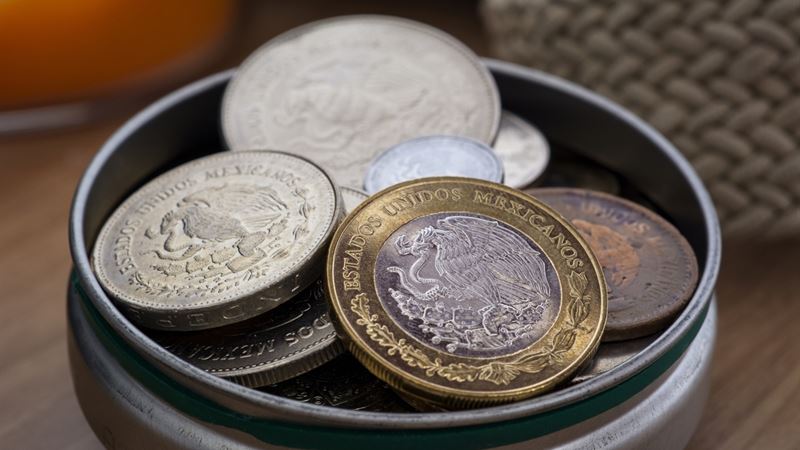
Explore the diverse history and significant value of Mexican coins from colonial silver pieces to modern bullion and commemorative coins. Discover their cultural importance, key collectible periods, and insights for collectors and investors alike, emphasizing Mexico’s rich numismatic legacy and long-standing artistic traditions in coin minting.
The Origins of Mexican Coinage: Pre-Columbian and Colonial Foundations
The history of Mexican coinage predates the arrival of Europeans, with indigenous civilizations like the Aztecs, Maya, and Mixtec exhibiting advanced barter and ceremonial deities that sometimes involved standardized weights and items of value, which laid early groundwork for monetary exchange.
With the Spanish conquest in the early 16th century, Mexico’s monetary system underwent a dramatic transformation. The Spanish crown established official minting facilities, with the first, Casa de Moneda de México, opening in 1535. This mint holds the distinction of being the oldest operational mint in the Americas, symbolizing Mexico’s critical role in global trade and monetary history.
Colonial Coinage: Silver, Silver, Silver
The colonial period saw the proliferation of Spanish silver coins, especially the iconic “piece of eight” or real de a ocho. These coins became a de facto international currency, widely accepted across Europe, Asia, and the Americas. Their consistent weight and high silver purity made them dependable standards for trade.
Among these, the 8 Reales coin stands out as a significant piece, often sought after by collectors for its historical importance and numismatic value. Mint marks, specific years, and condition influence their worth immensely. This era laid the groundwork for Mexico's enduring reputation for minting high-quality coins.
The Birth of the Mexican Peso: A Symbol of Sovereignty
Following Mexico’s declaration of independence from Spain in 1821, the fledgling nation began minting its proprietary currency. The Mexican peso emerged as the primary unit of monetary exchange and evolved through various political regimes, each leaving a unique mark on the coinage.
1821 Imperial Iturbide Coinage
During the brief reign of Emperor Agustín de Iturbide, coins carrying his image were minted. The “Iturbide Peso,” created during this turbulent period, is now a rare and highly collectible item. Its limited mintage and historical relevance make it invaluable for numismatists.
The Maximilian Empire Coins (1864-1867)
Mexico experienced a unique imperial phase under Emperor Maximilian I, backed by French intervention. Coins produced during this rule, particularly gold pesos like the 1866 Maximilian Peso, are highly prized. They symbolize a fascinating period of foreign influence and Mexican resistance.
The 20th Century: Revolution, Revival, and Modernization
The tumultuous 20th century saw revolutionary upheavals and political reformation, profoundly impacting coin production. In addition to circulating currency, many coins from this period are celebrated by collectors for their artistry and historical importance.
The Caballito Peso (1910-1914)
One of Mexico’s most beautiful numismatic pieces is the Caballito Peso, depicting Liberty riding a horse. Made of high-quality silver, it reflects national pride and revolutionary spirit. Coins in pristine condition from this era are highly valued.
The Centenario (1921)
Commemorating Mexico’s centennial of independence, the Centenario gold coin features the Angel of Independence and the national coat of arms. Weighing nearly 1.2 ounces of gold, it holds both historical and monetary significance, making it a favorite among collectors.
Modern Features: Bullion Coins and Precious Metal Collectibles
Mexico’s contemporary coin production continues to captivate numismatics and investors alike. The country’s bullion coins, especially silver and gold, are renowned worldwide for their quality, design, and reliability.
Mexican Silver Libertad
First issued in 1982, the Silver Libertad is a one-ounce bullion coin celebrated for its meticulous craftsmanship and high silver content. Variations in mintages and special editions significantly influence its value.
Gold Libertad
Launched a year earlier, the Gold Libertad shares its design principles but in precious metal form. It is available in various denominations and is prized both for its gold purity and collector appeal. Rare proofs and limited editions of these coins carry premium prices.
Collecting Mexican Coins: A Journey Through Time
Each Mexican coin narrates a segment of the nation's history, from pre-Columbian civilizations to modern democracy. Their rarity, condition, and historical context determine their value. Enthusiasts and investors can find coins of significant worth, especially those with limited mintage, unique mint marks, or in pristine condition.
Why Is Collecting Mexican Coins Important?
Beyond their monetary worth, Mexican coins serve as cultural artifacts that provide insight into periods of conflict, independence, and artistic expression. They connect collectors to Mexico’s national story and symbolize resilience and heritage.
Tips for Collectors and Investors
- Research coin history and production years carefully.
- Handle coins with care to maintain condition.
- Store coins in a cool, dry, and secure environment.
- Seek professional grading for high-value pieces.
- Buy from reputable dealers to ensure authenticity.
The Future of Mexican Numismatics
As Mexico continues to produce innovative and artistic coins, the market for collectible and investment-grade coins is expected to grow. Special editions, commemorative issues, and precious metal coins will remain vital to collectors worldwide, preserving Mexico’s rich cultural and monetary legacy.
In sum, Mexican coins are more than just currency; they are engrossing symbols of history, artistry, and national identity. Whether you’re collecting for passion or investment, understanding their origins and significance enhances their value and your appreciation for Mexico’s rich numismatic heritage.