
Early Warning Signs of HIV You Should Recognize
Recognizing early symptoms of HIV is crucial for timely diagnosis and treatment. Symptoms such as fatigue, fever, swollen lymph nodes, rash, and flu-like signs often appear within weeks of infection. In women, additional signs include irregular periods and vaginal discomfort. Asymptomatic periods may last years, but the virus continues damaging the immune system. Routine testing remains the most dependable way to detect HIV, preventing progression to AIDS. Stay informed and seek medical advice to protect your health and that of your loved ones.
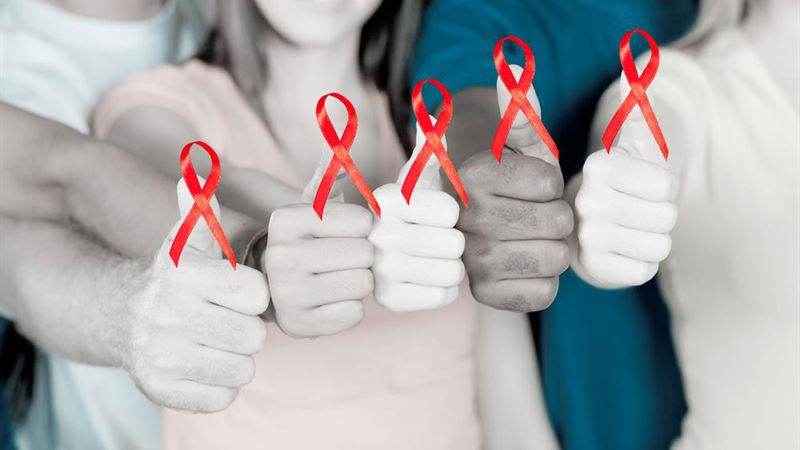
HIV, or Human Immunodeficiency Virus, is primarily transmitted through contact with certain bodily fluids from an infected individual. These fluids include blood, breast milk, vaginal fluids, semen, pre-seminal fluid, and rectal fluids. The infection can spread when these fluids come into contact with mucous membranes or damaged tissues within the body. Additionally, sharing contaminated needles or syringes during drug use is a common transmission route. Recognizing how HIV spreads is crucial in preventing infection and safeguarding public health.
Prompt diagnosis and treatment of HIV are vital. If untreated, HIV can advance to Acquired Immunodeficiency Syndrome (AIDS), which is the most advanced stage of the infection. Typically, symptoms of HIV infection begin to appear two to eight weeks after the initial exposure, although this window period can vary. The initial signs are often subtle and may be mistaken for other illnesses, which can delay diagnosis. Recognizing these early symptoms can lead to timely testing and intervention, significantly improving outcomes.
Early manifestations of HIV infection are diverse but commonly include symptoms such as persistent fatigue, muscle aches, joint pains, and severe headaches. Other indicators are sore throats, swollen lymph nodes that can be felt around the neck and armpits, fever, skin rashes, and gastrointestinal issues like diarrhea. Some individuals also experience fungal infections within the mouth, ulcers on the genitals, and night sweats that soak clothing or bedding. These symptoms often resemble those of flu or other viral illnesses, making awareness and suspicion essential for early detection.
While many of these symptoms are consistent across genders, women often exhibit distinct signs linked to reproductive health. Changes in menstrual cycles—such as irregular, heavier, or lighter periods—and pain localized in the upper or lower abdomen can serve as additional warning signals. Pelvic inflammation and abnormal vaginal discharges, including increased yeast infections, are also more characteristic of HIV infection in women. Pain during urination or sexual activity may occur, highlighting the importance of regular health checkups for sexually active women.
It’s important to understand that after the initial symptoms subside, the virus can progress silently for years. During this asymptomatic period, HIV continues to weaken the immune system, making the individual vulnerable to opportunistic infections and certain cancers. Some infected persons remain symptom-free for extended periods, leading to delays in diagnosis. Consequently, the absence of symptoms does not equate to the absence of infection, underscoring the importance of routine HIV testing for sexually active individuals and those at higher risk.
Advanced HIV infection over time results in severe immune suppression, exposing the individual to life-threatening conditions. Without proper treatment, HIV eventually progresses to AIDS, characterized by the development of specific illnesses and opportunistic infections. Therefore, early detection through blood tests remains the most reliable method to determine HIV status. Regular testing, especially for at-risk populations, can prevent disease progression and facilitate timely intervention.