
Comprehensive Guide to HIV Testing and Diagnosis Methods
This comprehensive guide covers various HIV testing methods, including full blood tests, rapid point-of-care testing, home-sampling kits, and home-testing kits. It emphasizes choosing the right test based on your needs, the importance of early diagnosis, and the process for confirming results and obtaining treatment. Access to accurate, discreet, and convenient HIV testing options helps individuals protect their health and prevent transmission of the virus. Stay informed and proactive about your HIV status with this detailed resource.
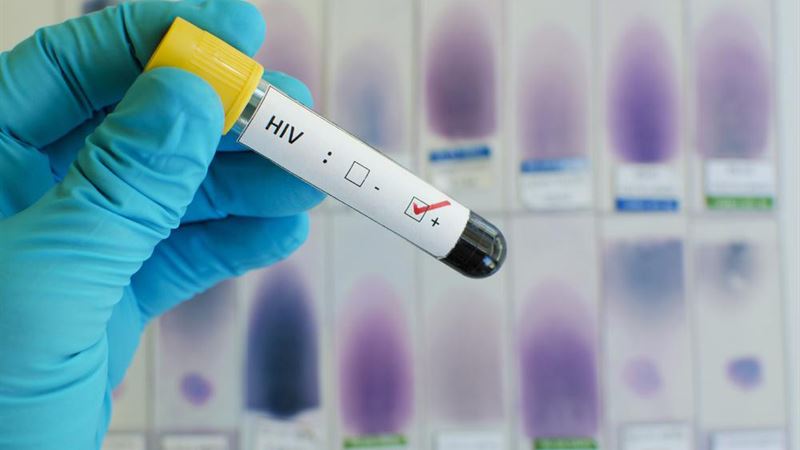
HIV testing encompasses several different methods, each with its own advantages and application scenarios. These methods are designed to detect the presence of HIV antibodies, antigens, or the virus itself at different stages of infection. The main types of HIV tests include full blood tests, point-of-care testing, home-sampling kits, and home-testing kits. Here, we explore each of these in detail to help you make an informed decision about testing options.
1. Full Blood Test
The full blood test, often regarded as the most comprehensive HIV testing method, involves drawing a sample of blood from a vein, typically from your arm. This sample is sent to a laboratory where advanced testing techniques are used to detect the presence of HIV antibodies and antigens. The results usually take between one to three days, although some clinics may offer expedited processing.
This method is highly reliable and is considered the gold standard in HIV diagnostics. It can detect HIV infection most accurately, often catching the virus as early as three to four weeks after exposure, depending on the test's sensitivity. If the result is positive, healthcare providers will conduct additional confirmatory tests to ensure accuracy before confirming a diagnosis. The full blood test is recommended if you suspect recent exposure, require definitive results, or need a comprehensive assessment of your health status.
2. Point-of-Care Testing (Rapid Tests)
Point-of-care tests are designed to deliver rapid results within minutes, making them highly convenient for both clinics and individuals. These tests typically use a small sample of saliva or a tiny prick of blood obtained from a fingerstick. The clasp of the test involves placing the sample on a testing strip or device that detects HIV antibodies or antigens.
One significant advantage of point-of-care testing is immediacy. You don't have to wait days or even hours for results—results are available within approximately 20 to 30 minutes. This feature allows for immediate counseling, support, and next steps if the test is positive. However, while highly accurate, point-of-care tests are generally slightly less sensitive than laboratory-based full blood tests, especially in the earliest stages of infection.
This testing method is particularly useful in outreach programs, community health settings, or situations where quick diagnoses are beneficial. It's important to note that confirmatory testing is often recommended if the rapid test results are positive to rule out false positives and verify the diagnosis.
3. Home-Sampling Kits
If visiting a clinic isn’t convenient or you prefer privacy, home-sampling kits offer an excellent alternative. These kits are designed for you to collect your own sample of saliva or blood at home. Typically, they involve simple instructions on how to collect the sample and then send it to a laboratory for analysis.
Once the laboratory receives your sample, it undergoes rigorous testing to detect HIV antibodies or antigens. The results are then communicated to you via phone call, email, or postal mail, depending on the service provider. The turnaround time varies from a few days to a week, depending on the laboratory's processing capacity.
Home-sampling kits provide a confidential and discreet way of testing, and they are especially suitable for individuals who prefer to avoid clinics or healthcare settings. However, it's important to choose a reputable provider that uses certified laboratories to ensure accurate results. Always check for accreditation and reviews before purchasing or using a home-sampling kit.
4. Home-Testing Kits
Home-testing kits are designed for you to perform the HIV test yourself at home using either saliva or blood samples. These kits are easy to use and typically involve instructions for collecting the sample, performing the test, and interpreting the results. Many kits provide results within 15 to 30 minutes, offering immediate feedback.
Although convenient, the accuracy of home-testing kits depends heavily on their quality and adherence to instructions. Inexpensive or uncertified kits might produce false negatives or positives, leading to unnecessary anxiety or false reassurance. Therefore, only purchase kits that are certified by relevant health authorities and come from licensed manufacturers.
Before relying solely on a home-testing kit, consider confirming positive results through a professional clinic. Many healthcare providers recommend confirmatory testing in a clinical setting, especially after an initial positive home test. This layered approach ensures the reliability of your HIV status and guides appropriate next steps.
Choosing the Right HIV Test for You
Picking the appropriate HIV testing method depends on individual circumstances, including timing since potential exposure, convenience, and the need for immediate results. Full blood tests remain the most accurate, especially for recent infections, but they require visiting a healthcare facility. Rapid point-of-care tests are highly suitable for quick screening, while home-sampling and home-testing kits offer privacy and convenience for those who prefer testing at home.
If you think you might have been exposed to HIV, it’s crucial to get tested, regardless of whether symptoms are present. Early detection allows for timely treatment, which can significantly improve health outcomes and reduce the risk of transmission. Remember, if your test result is positive, you will be directed to specialist clinics for further testing and treatment options to manage your health effectively.
In conclusion, widespread availability and a variety of HIV testing options empower individuals to take charge of their health. Regular testing, especially if you engage in risk behaviors, is essential for early diagnosis and prevention. Always consult healthcare professionals to interpret your results and determine the appropriate follow-up steps.