
Home - Improvement & Repair - Comprehensive Guide to Modern Bathroom Faucet Technologies and Features

Comprehensive Guide to Modern Bathroom Faucet Technologies and Features

Explore the comprehensive guide on bathroom faucet technology, covering valve types like compression, ball, cartridge, and ceramic disc, along with the latest control innovations such as sensor and touch-based faucets. This article helps you make an informed decision for your bathroom upgrade, emphasizing durability, ease of maintenance, and modern features that enhance convenience and hygiene.
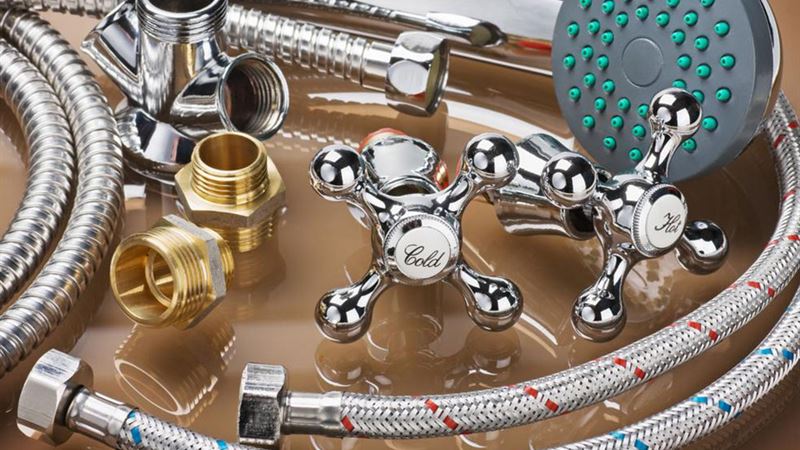
Over the decades, advances in bathroom faucet technology have shifted towards safer, more environmentally friendly, and user-friendly designs. Notably, modern faucets now predominantly utilize lead-free materials, transitioning increasingly to bismuth-based compositions. When selecting a new faucet, consulting the installation manual can significantly simplify the process and help you understand essential plumbing features, ensuring optimal functionality and safety in your bathroom.

The core component of any faucet’s operation is the valve, which controls the flow of water. The valve's design plays a crucial role in the faucet’s performance, durability, and maintenance. There are four main types of valves commonly employed in bathroom faucets, each with unique characteristics, advantages, and weaknesses.

  • Compression Valve Faucets: These are among the most traditional types. They feature a screw mechanism that compresses a rubber washer, adjusting water flow by creating a watertight seal. Usually, these faucets have separate handles for hot and cold water, offering precise control for users.
However, compression valves tend to degrade over time. The rubber washer, which relies on elasticity to maintain a proper seal, can become stiff or cracked due to continuous use. This often results in leakage, drips, and frequent replacements. Regular maintenance might be necessary to keep these faucets functioning smoothly and prevent wasting water.
  • Ball Valve Faucets: These faucets utilize a spherical ball with slots or channels inside, which rotate to mix hot and cold water or control flow in single-handle designs. When you turn or twist the handle, the ball's position adjusts, modifying the water output.
Ball valves are common in single-handle faucets because they enable smooth operation with minimal effort. Their design makes them fairly durable, but they require periodic maintenance to replace worn seals or internal components over long-term use. They offer excellent temperature control and are prized for their simple, reliable operation.
  • Cartridge Valve Faucets: Featuring two concentric cartridges of varying diameters, these valves operate through the relative movement of these cartridges when the handle is rotated. Rubber O-rings seal the internal pathways, providing effective water flow control.
Cartridge valves are regarded for their durability and easy maintenance. They typically provide consistent performance over many years, with fewer leaks or repairs needed compared to older designs. Many modern faucets utilize cartridge valves because they combine reliability, ease of use, and straightforward replacement procedures.
  • Ceramic Disc Valve Faucets: These advanced valves incorporate two precision-engineered ceramic disks that slide past each other, controlling the water flow. Because ceramic materials are highly resistant to wear and corrosion, these valves are highly durable.
Although ceramic disc faucets tend to be more expensive initially, they are renowned for their longevity and minimal maintenance. They resist debris and mineral buildup, making them ideal for regions with hard water. Their smooth operation, combined with high durability, makes them a trending choice among homeowners seeking long-lasting fixtures.

Innovations in Control Mechanisms

Beyond the valve types, control methods have seen significant technological advancements. Traditional handles, whether cross, lever, or knob, are increasingly being replaced or complemented by modern, high-tech options that enhance convenience and hygiene.
  • Hands-Free Operation: Sensors integrated into these faucets detect motion and automatically turn the water on or off. This feature promotes water conservation and enhances hygiene by minimizing contact.
Ideal for public restrooms and health-conscious households, touchless faucets respond swiftly to hand movements, adjusting water temperature and flow seamlessly. These are especially useful in environments where touchless operation reduces the spread of germs.
  • Touch-Sensitive Faucets: These faucets activate with a simple tap or touch on any part of the fixture, similar to touchscreen devices. This technology eliminates the need for physical handles, making them popular in contemporary bathroom designs.
Touch-sensitive controls allow users to customize water temperature and flow easily, often with options for memory settings or temperature locks. These faucets blend style, function, and hygiene, making them suitable for modern homes and commercial spaces.

In addition to sensor-based controls, other control options include traditional cross handles, joystick-style levers, push buttons, and push-and-turn mechanisms. Each offers a distinctive look and usability feature, catering to different aesthetic preferences and functional needs.