
Comprehensive Nutritional Strategy for Iron Intake to Combat Anemia
Discover in-depth meal plans and nutritional strategies to effectively increase iron intake for anemia management. This comprehensive guide offers delicious recipes, essential food sources, and absorption tips to help boost your overall health and combat iron deficiency naturally.
- Understanding Iron and Its Role in the Body
- Designing a Balanced Iron-Rich Diet
- Sample Meal Plans for Anemia Management
- Best Food Sources of Iron
- Boosting Iron Absorption with Nutrients
- Additional Tips for Managing Anemia
Understanding Iron and Its Essential Functions
Iron is a vital mineral essential for producing hemoglobin, the protein responsible for transporting oxygen throughout the body. Adequate iron levels ensure the efficient functioning of every cell and support overall vitality. Iron deficiency often leads to anemia, characterized by fatigue, weakness, and decreased immunity. Recognizing the difference between heme and non-heme iron sources can help tailor diet plans effectively.
Heme iron, found in animal products such as meat and seafood, is easily absorbed by the body. Non-heme iron, present in plant-based foods like leafy greens, beans, and grains, requires additional nutrients like vitamin C for better absorption. Balancing these sources within your diet can optimize iron levels and promote better health outcomes.
Creating a Nutritional Plan to Increase Iron Intake
An effective diet plan for anemia should include foods rich in iron, along with those that enhance absorption. It is equally important to avoid substances that hinder iron uptake, such as excessive tea, coffee, and calcium-rich foods during mealtime. Anemia management involves careful planning and consistency to ensure sufficient iron intake without risking overload.
Sample Meal Ideas for Each Time of Day
Breakfast Options
Starting your day with iron-rich foods can set the tone for improved energy levels. Here are some nutritious breakfast options:
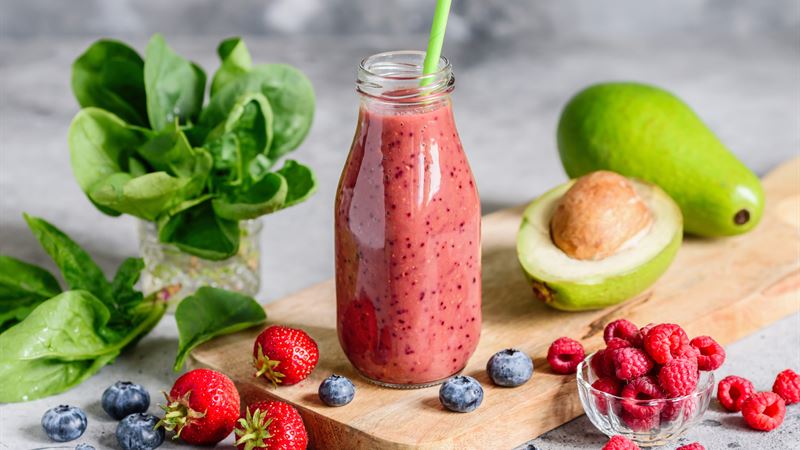
- Berry and Spinach Smoothie: Blend fresh or frozen blueberries, a handful of spinach, rolled oats, oat milk, and a touch of maple syrup. This smoothie combines high-iron ingredients with vitamin C for better absorption. Spinach is also a great source of folate, vital for red blood cell production.
- Dried Fruit Oatmeal: Prepare a warm bowl of oatmeal topped with dried figs, dates, and pumpkin seeds. These foods are packed with iron and antioxidants, providing an energizing start to your day.
- Scrambled Eggs with Veggies: Cook eggs with chopped tomatoes and sautéed spinach. Add a glass of fortified orange juice for an additional vitamin C boost.
Lunch Ideas to Boost Iron Intake
For lunch, focus on combining proteins with iron-rich vegetables:
- Vegetable Fried Rice: Use cooked brown rice, sautéed green leafy vegetables (such as collard greens and baby spinach), scrambled eggs, and a handful of mixed nuts. Use olive oil for cooking and season with herbs and spices like garlic and pepper.
- Hearty Bean and Greens Stew: Incorporate kidney beans, chickpeas, or black-eyed peas with greens like kale or Swiss chard. Add tomatoes, onions, garlic, and a vegetable broth base. Serve with a side of whole-grain bread.
Dinner Recipes for Iron Sufficiency
End your day with a nutritious, iron-supportive dish:
- Roasted Butternut Squash Chili: Cook diced butternut squash, black beans, and tomatoes with onions, garlic, and spices such as cumin, chili powder, and cinnamon. Prepare in vegetable broth, and serve topped with a spoonful of yogurt for probiotics and added health benefits.
- Seafood and Veggie Stir-fry: Sauté salmon, shrimp, or mollusks with colorful bell peppers, broccoli, and snap peas. Use soy sauce and sesame oil for flavor. Accompany with brown rice or quinoa.
Healthy Snack Options
Snacks are essential for maintaining steady energy and preventing iron deficiency symptoms:
- Hard-Boiled Eggs: Keep boiled eggs on hand, sprinkled with a little salt and pepper for a quick protein and iron boost.
- Seeds and Nuts: Dried pumpkin seeds, sunflower seeds, and cashews are excellent sources of iron. Combine with dried fruits like apricots, figs, or dates for a healthy, portable snack.
- Fruit and Nut Mixes: Assemble trail mix with iron-rich ingredients such as dried berries, chocolate-covered nuts, and pumpkin seeds for a nutritious energy shot.
Top Food Sources of Iron and How to Incorporate Them
Understanding where to find iron-rich foods can help you plan meals effectively:
- Dark Leafy Greens: Spinach, kale, Swiss chard, dandelion greens, and collard greens contain non-heme iron. These can be added to salads, smoothies, or cooked as side dishes. Spinach is especially rich in folate, supporting red blood cell formation.
- Animal-Based Iron Sources: Red meats, including beef, liver, kidneys, and heart, are excellent sources of heme iron, which is readily absorbed. Incorporate small portions of these into your weekly diet to boost iron levels.
- Seafood: Clams, oysters, crabs, and other shellfish are rich in iron and high-quality protein. Fish such as salmon, mackerel, and tuna are also beneficial options.
- Fortified Foods: Many breakfast cereals, white bread, and pasta are fortified with iron. Complement these with vitamin C-rich juices to enhance absorption.
- Legumes and Beans: Soybeans, kidney beans, chickpeas, and black-eyed peas provide significant non-heme iron. They are also rich in fiber and antioxidants, supporting overall health.
Enhancing Iron Absorption
To maximize iron absorption from meals, combine plant-based iron sources with vitamin C-rich foods such as oranges, strawberries, bell peppers, and tomatoes. Avoid drinking tea or coffee during meals, as tannins and polyphenols hinder iron uptake. Limit calcium intake around mealtimes since calcium competes with iron for absorption. Planning meals with these tips can significantly improve iron status over time.
Additional Tips for Managing Anemia
Regular monitoring of blood iron levels is important for individuals with anemia. Consult healthcare providers for tailored advice and consider iron supplements if recommended. Maintain a balanced diet that includes diverse nutrient sources to support overall health and well-being. Incorporating physical activity and managing stress also contribute to recovery and health maintenance.
In conclusion, a well-rounded, iron-rich diet combined with absorption-enhancing strategies can effectively manage anemia and improve quality of life. Always seek professional guidance for personalized treatment and dietary plans.