Discover expert tips and strategies to prevent ingrown toenails during hiking and trekking. Learn about proper footwear, nail trimming, foot hygiene, and on-the-trail care. Proper foot health ensures a comfortable, safe outdoor adventure, reducing discomfort and preventing common issues like ingrown toenails. This comprehensive guide equips hikers with practical advice to keep their feet healthy, avoid painful conditions, and enjoy nature without worries. Prepare effectively before your trip and handle minor problems promptly for a smoother trekking experience. Protect your feet and hike with confidence!
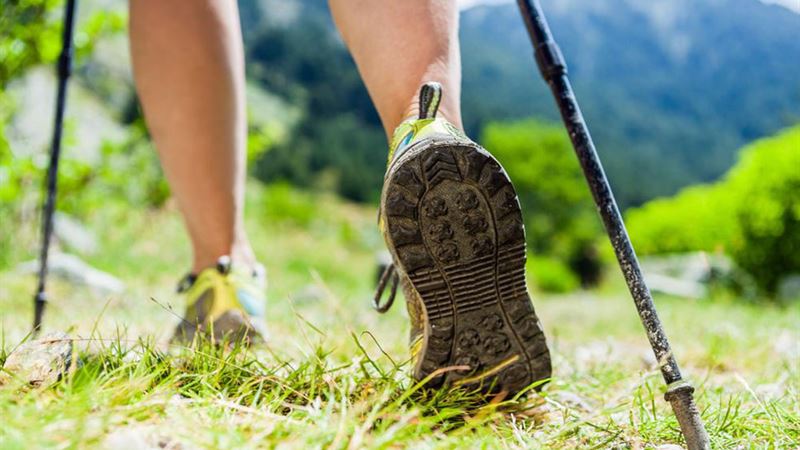
Embarking on a hiking or trekking journey is an exhilarating experience that allows you to connect with nature and explore new horizons. However, amidst the adventure, the health of your feet becomes paramount. Proper foot care is essential to ensure your trip remains enjoyable and free of discomfort caused by common foot ailments, particularly ingrown toenails. In this comprehensive guide, we will delve into effective strategies to prevent ingrown toenails during your outdoor excursions, ensuring you can hike comfortably and safely.
Your feet are your primary mode of transport on rugged trails and uneven terrains. Therefore, maintaining their health is crucial for a successful adventure. Recognizing the importance of proper footwear, foot hygiene, and attentive care will help you ward off painful conditions such as ingrown toenails, blisters, and infections. This article provides detailed tips and advice tailored for hikers and trekkers eager to preserve foot health in challenging environments.
The Role of Proper Footwear in Preventing Ingrown Toenails
Choosing the right hiking shoes or boots is fundamental in preventing foot issues. Ill-fitting footwear, whether too tight or too loose, can cause a multitude of problems, including ingrown toenails. Shoes that are too tight exert excessive pressure on the toes, especially the big toe, leading to nail ingrowth and discomfort. Conversely, loose shoes may cause toes to slide forward, pressing against the front of the shoe and resulting in similar issues.
To find the perfect fit, visit a reputable outdoor gear store where experienced staff can assist you in selecting appropriate footwear. It's advisable to try on shoes at the end of the day when your feet are slightly swollen to ensure a comfortable fit. Ensure there is enough room for your toes to move freely without feeling constricted. Remember that hiking shoes should provide stability and support while allowing adequate room for toe movement, especially during descents and ascents.
Break in new shoes gradually before your trip to prevent blisters and pressure points. Wearing well-fitted footwear reduces the risk of toenail irritation and ingrowth, ensuring you can hike longer distances with less discomfort.
Proper Nail Trimming: The Foundation of Healthy Toenails
Regular and correct nail trimming is vital in preventing ingrown toenails. Cut your toenails straight across without rounding the edges. Curved or beveled nails tend to grow into the surrounding skin, causing pain and infections. Use clean, sharp nail clippers and avoid cutting nails too short, as this can expose sensitive skin that is more susceptible to ingrowth and injury.
Maintaining good nail hygiene by keeping nails tidy and free of dirt helps prevent bacteria and fungi buildup, further reducing risks associated with toenail problems. After trimming, smooth any sharp edges with a nail file to prevent snagging or accidental injury during your hike.
Foot Hygiene and Skin Care
Healthy feet are less prone to developing issues like ingrown toenails. Before embarking on a trek, wash your feet thoroughly with soap and dry them completely, paying close attention to the areas between the toes. Moisture buildup can lead to fungal infections and soften the skin, making it more prone to injuries and toenail ingrowth.
Apply a foot cream or moisturizer suited to your skin type to keep your skin supple and protected. Using powders or antiperspirant sprays designed for feet can help absorb sweat and keep your feet dry, which is especially important during long hikes.
Choose Appropriate Socks for Foot Comfort and Health
Socks play a crucial role in maintaining foot health during long hikes. Avoid fully cotton socks, as cotton retains moisture and dries slowly, creating a humid environment that encourages fungal growth and skin irritation. Instead, opt for moisture-wicking, synthetic, or wool blend socks that draw sweat away from the skin and promote quick drying.
It’s wise to carry extra pairs of socks and change them whenever they become damp or soaked. Clean, dry socks reduce friction and prevent blisters and fungal infections, which can indirectly contribute to ingrown toenails by causing inflammation and swelling.
Immediate Care for Ingrown Toenails While on the Trail
If you notice the early signs of an ingrown toenail during your hike—such as redness, swelling, or pain—promptly-taking minor measures can prevent further complications. Carefully insert a small piece of sterile cotton or dental floss under the ingrown nail edge to lift it slightly away from the skin, alleviating pressure and allowing the area to heal.
Keep the affected area clean and dry. If organized and equipped appropriately, carry a small first aid kit containing antiseptic ointments and sterile dressings. Should the soreness intensify or signs of infection appear, seek medical attention promptly at the end of your hike.
The Importance of Preventative Measures and Proper Preparation
Preventing ingrown toenails is much easier than treating them. Minor preparations, such as selecting well-fitting footwear, maintaining proper nail hygiene, and carrying essential foot care items, can save you from considerable discomfort and potential health issues.
In addition to individual practices, educate yourself about common foot ailments and their signs. Staying vigilant during your hikes enables early detection and intervention, keeping your feet healthy and your adventure enjoyable.
Conclusion: Gear Up for a Healthy, Pain-Free Trek
Hiking and trekking offer unmatched opportunities for adventure, but foot health must be a priority to ensure these experiences remain enjoyable. Adopting proper footwear choices, practicing good nail and foot hygiene, and being prepared for minor foot issues are key components in preventing ingrown toenails and other foot problems. With these strategies, you can focus on the scenery and the thrill of exploration, confident that your feet are protected and cared for throughout your journey.
