
Essential Insights into Toenail Fungal Infections and Prevention Strategies
Discover comprehensive insights into toenail fungal infections, including causes, risk factors, prevention tips, and treatment options. Learn how age, injuries, and hygiene practices influence the likelihood of fungal growth and how to effectively prevent the spread in shared environments like gyms and pools. Early detection and proper care are crucial for maintaining healthy nails and avoiding complications. This guide provides practical advice for all ages, emphasizing proactive foot health management to prevent embarrassment and discomfort caused by toenail fungus.
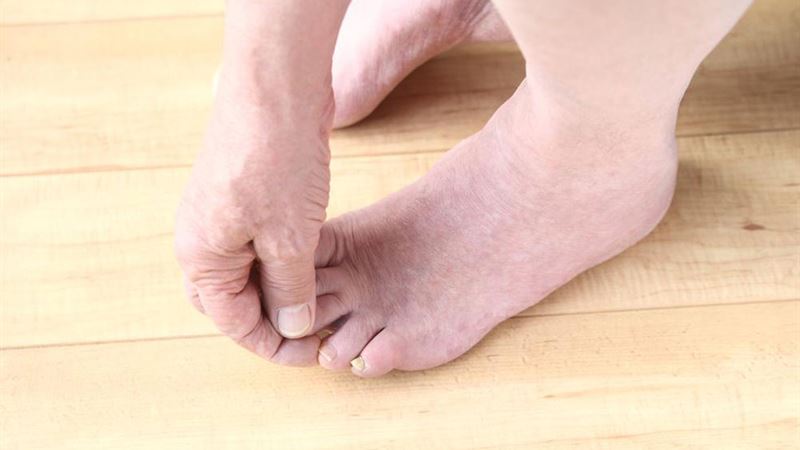
Age as a Significant Risk Factor: The likelihood of developing toenail fungus increases with age. While proper foot care can often manage and cure mild infections, seniors over 60 are notably more vulnerable due to changes in immune function and decreased skin and nail regeneration. As we age, our body's ability to fight off infections diminishes, making older adults more susceptible to toenail fungi. This underscores the importance of attentive foot hygiene, routine inspections, and early intervention to prevent severe infections in elderly populations. Regular foot examinations and prompt treatment of any initial signs are vital for maintaining foot health in older adults.
The Infectious Nature of Toenail Fungus: Toenail infections are contagious and can easily spread among individuals sharing close living quarters or communal spaces. Close contact, such as sharing shoes, socks, or walking barefoot in communal areas like gyms, swimming pools, or locker rooms, can facilitate transmission. This makes prevention essential in reducing the risk of infection spread. Proper hygiene, disinfecting footwear, and avoiding walking barefoot in public spaces are highly recommended preventive measures. When treating an infected nail, it’s also essential to treat surrounding nails and footwear to prevent reinfection and the spread to others.
Precautionary Measures for Prevention: Injuries to the toenail are one of the primary entry points for fungal infections. Any trauma or injury to the nail bed should be promptly cleaned and disinfected to prevent fungal spores from destabilizing and infecting the tissue. Keeping toenails trimmed, avoiding walking barefoot in contaminated environments, and wearing moisture-wicking footwear help maintain optimal conditions that discourage fungal growth. Regular foot hygiene, including washing and thoroughly drying feet, especially in between toes, reduces the risk significantly. Recognizing early symptoms such as thickened, discolored, or brittle nails allows for prompt treatment, reducing the severity and spread of the infection.
Toenail fungal infections may initially present subtly, with nails showing changes like yellowing, thickening, or brittleness. Typically, they do not produce a foul smell or significant pain in the early stages, but if left untreated, they can lead to more severe discomfort, spreading to other nails and, in some cases, causing secondary bacterial infections. Early diagnosis and treatment—ranging from topical antifungal agents to oral medications—are essential to combat these infections effectively. Regularly inspecting your nails and seeking medical attention at the first sign of trouble can save time, money, and discomfort.