
Comprehensive Guide to Managing Ulcerative Colitis Through Dietary Choices
Discover comprehensive dietary strategies to manage ulcerative colitis effectively. Learn which foods to eat and avoid, understand nutrient benefits, and gain practical tips for long-term gut health. This guide empowers you with expert advice to improve quality of life and reduce flare-ups through informed nutrition choices.
Understanding Ulcerative Colitis and the Impact of Diet
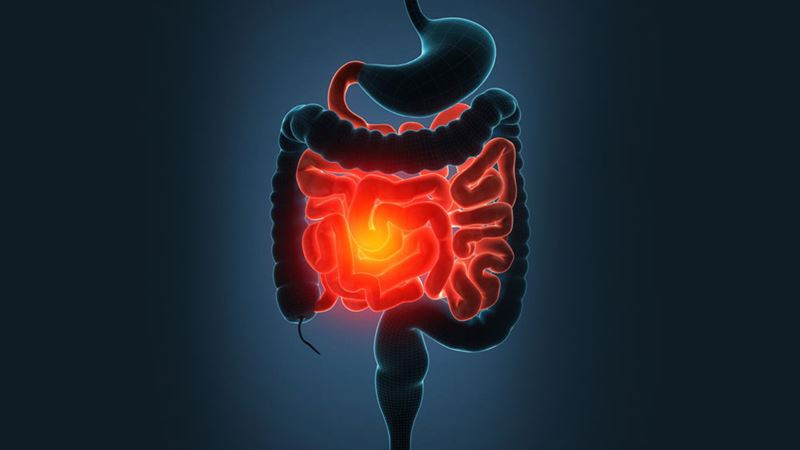
Ulcerative colitis (UC) is a chronic inflammatory condition that affects the lining of the large intestine, or colon. It is characterized by symptoms such as abdominal pain, diarrhea, rectal bleeding, and fatigue. While medication is essential for managing the condition, dietary modifications play a crucial role in alleviating symptoms, preventing flare-ups, and supporting overall gut health. This comprehensive guide offers insights into how you can tailor your diet to better manage ulcerative colitis effectively.
Monitoring Your Food Intake and Recognizing Triggers
One of the vital steps in managing UC is maintaining a detailed food diary. By noting how specific foods and beverages affect your symptoms, you can identify personal triggers and make informed dietary choices. Patience is key, as this process may take time, but it ultimately helps you develop a personalized nutrition plan that minimizes discomfort and prevents flare-ups.
Building a UC-Friendly Diet
A balanced diet for ulcerative colitis should prioritize nutrient-rich foods that support healing and reduce inflammation. The focus should be on high-quality proteins, wholesome grains, and fresh produce. Incorporating these elements into your daily routine can improve your gut health and overall well-being.
- Whole grains such as oats, rice, and barley provide essential fiber without irritating sensitive intestines.
- Lean protein sources like poultry, eggs, and fish supply vital amino acids necessary for tissue repair and immune function.
- Low-fat dairy products, including yogurt and cheese, are often tolerated by many UC patients and provide probiotics that promote healthy gut flora.
- Fresh fruits and vegetables, especially cooked or steamed, are excellent sources of vitamins and minerals. Be cautious with high-fiber raw produce if symptoms are active.
- Healthy fats found in olive oil, canola oil, and avocados support cellular health and reduce inflammation.
Applying simple dietary hacks, such as consuming steamed vegetables or choosing low-fat dairy options, can help manage symptoms and prevent aggravation during flare-ups.
Avoiding Foods That Trigger UC Symptoms
During treatment, it is equally important to avoid certain foods and drinks that can exacerbate inflammation and discomfort. Recognizing and eliminating these triggers can significantly improve quality of life.
- Alcoholic beverages, which can irritate the intestinal lining and interfere with medication efficacy.
- High caffeine intake, as it may increase stool frequency and cause dehydration.
- Carbonated drinks that can cause bloating and gas.
- Dried beans, peas, and other legumes, which are high in insoluble fiber that can irritate the colon.
- High-sugar items and processed snacks containing refined sugars or sorbitol, which can worsen diarrhea.
- Foods containing sulfur or sulfate, often found in processed or preserved foods, may trigger symptoms.
- High-fiber foods, especially raw vegetables and certain fruits, should be limited during active inflammation.
- Red meats and greasy, fried foods that can be difficult to digest and intensify symptoms.
- Nuts, seeds, and crunchy nut butters because of their tough texture, which can irritate the gut lining.
- Popcorn, which is hard to digest and may cause discomfort.
- Spicy dishes that can increase intestinal inflammation.
Nutritional Strategies to Combat UC
While managing ulcerative colitis, certain nutrients have been identified to help soothe and heal the inflamed gut. Incorporating these nutrients into your diet may reduce inflammation and foster intestinal health.
- Linoleic Acid: This omega-6 fatty acid, found in walnuts, egg yolks, olive oil, and coconut oil, has anti-inflammatory properties. However, moderation is important, as excess consumption could potentially worsen inflammation.
- Omega-3 Fatty Acids: Known for their powerful anti-inflammatory effects, omega-3s can prevent the production of harmful chemicals like leukotrienes. Rich sources include fatty fish such as salmon, mackerel, and sardines, as well as fish oils and supplements.
- Probiotics: Yogurt containing live beneficial bacteria can help restore gut flora balance and reduce inflammation. Including probiotic-rich foods or supplements under medical guidance is recommended for optimal benefits.
Expert Tips for Long-Term Management
Managing ulcerative colitis effectively requires a combination of dietary vigilance, medical treatment, and lifestyle adjustments. Regular consultation with healthcare professionals, ongoing symptom monitoring, and a well-balanced diet tailored to your specific needs are essential components of successful management.
In addition to dietary strategies, managing stress, staying hydrated, and avoiding known triggers contribute to better symptom control. Remember, every individual’s response to foods varies, so personalized approaches are most effective.
By adopting a diet that aligns with your body's needs, you can significantly improve your quality of life, reduce flare-ups, and support long-term intestinal health. Empower yourself with knowledge, stay proactive, and work closely with your healthcare team for optimal management of ulcerative colitis.