
Nutritional Strategies and Food Choices to Effectively Manage Ulcerative Colitis Symptoms
This detailed guide explores the crucial role of diet in managing ulcerative colitis, emphasizing anti-inflammatory foods, probiotics, and lifestyle tips. It provides practical advice on incorporating nutrient-rich, easy-to-digest foods into daily routines, highlighting the importance of medical support and personalized treatment plans. With comprehensive insights, patients can improve symptom control, reduce flare-ups, and enhance their quality of life through strategic dietary choices and proper medical care.
Ulcerative colitis is a chronic inflammatory bowel disease characterized by inflammation of the inner lining of the colon and rectum. Managing its symptoms effectively often requires a comprehensive approach that includes dietary modifications. Emerging research highlights the significant role that specific foods and nutrients play in controlling inflammation, maintaining gut health, and reducing flare-ups. An optimal diet tailored to individual needs can greatly improve quality of life for those affected by this condition.
In this extensive guide, we will explore a variety of foods that can support ulcerative colitis management, emphasizing nutrient-rich, anti-inflammatory options along with practical dietary tips. From omega-3 fatty acids to probiotic-rich foods, understanding the powerful impact of dietary choices opens up new possibilities for symptom control and better overall health.
Understanding the Role of Gut Health in Ulcerative Colitis
The foundation of managing ulcerative colitis hinges on maintaining a healthy balance of gut bacteria. Research indicates that an imbalance of gut microbiota can exacerbate inflammation and contribute to disease severity. Therefore, incorporating foods that promote a diverse and thriving probiotic population in the digestive system is essential.
Top Foods That Support Ulcerative Colitis Management
1. Omega-3 Rich Foods
- Salmon and Other Fatty Fish: Salmon is packed with high-quality protein and omega-3 fatty acids, which are known for their anti-inflammatory properties. Regular consumption of salmon, mackerel, sardines, and tuna can help reduce intestinal inflammation and promote healing in the colon. Including fatty fish in your diet at least twice a week is highly recommended for ulcerative colitis patients.
- Chia Seeds and Flaxseeds: These seeds provide a plant-based source of omega-3s and fiber, contributing to improved bowel regularity and reduced inflammation. Ground flaxseeds can be added to smoothies or oatmeal for a nutritional boost.
2. High-Fiber, Gentle Carbohydrate Foods
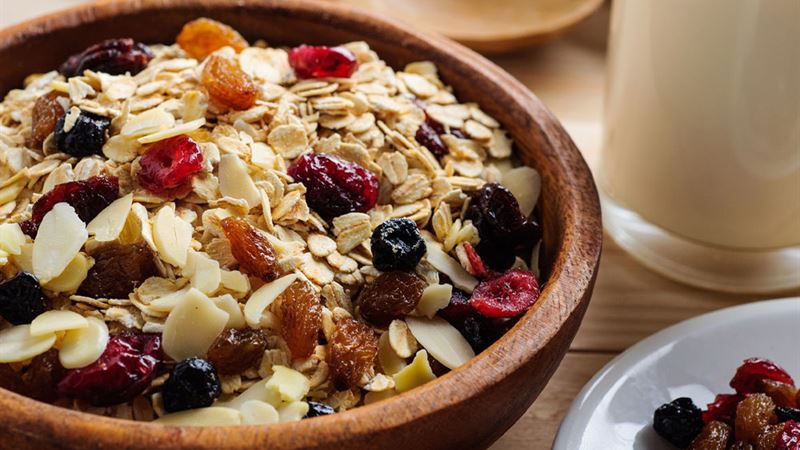
- Oatmeal and Whole Grains: Oatmeal is rich in soluble fiber, which helps regulate bowel movements and soothe inflamed tissues. It is also known for supporting the growth of beneficial gut bacteria. For those with ulcerative colitis, choosing well-cooked oats and avoiding excessive roughage during flare-ups is advised.
- Sweet Potatoes and Carrots: These vegetables are nutrient-dense, fiber-rich, and easier to digest, making them favorable options for reducing symptoms while supplying essential vitamins.
3. Hydrating and Easy-to-Digest Fruits
- Bananas: An excellent source of potassium and easily digestible, bananas provide quick energy and help replenish electrolytes lost during diarrhea episodes.
- Blueberries and Grapes: Rich in antioxidants, these fruits may help reduce inflammation and prevent flare-ups. Due to their high water content, they are gentle on inflamed intestines.
- Avocado: Loaded with healthy monounsaturated fats and fiber, avocado supports digestion and reduces inflammation.
4. Probiotic-Enriched Foods
- Yogurt and Kefir: These fermented dairy products contain beneficial bacteria strains that help restore gut flora balance. Opt for unsweetened versions to avoid added sugars that might aggravate symptoms.
- Sauerkraut and Kimchi: Fermented vegetables that are gut-friendly and may enhance immune response.
- Miso: A fermented soybean paste that supports digestive health.
Adding probiotic-rich foods into your diet can bolster gut resilience, reduce inflammation, and potentially shorten flare-up duration. However, always consult with your healthcare provider before making significant dietary changes, especially during active disease phases.
Additional Dietary Tips for Ulcerative Colitis
Aside from selecting suitable foods, paying attention to eating habits plays a crucial role in symptom management. Here are some practical advice:
- Eat smaller, more frequent meals rather than large meals to avoid overtaxing the digestive system.
- Cook foods thoroughly to make them easier to digest and reduce irritation.
- Avoid high-fat, spicy, or processed foods that can trigger flare-ups.
- Limit alcohol and caffeine intake, as these can irritate the colon.
- Stay well-hydrated, primarily through water and non-caffeinated beverages.
When Medical Intervention Is Necessary
While diet can significantly influence ulcerative colitis management, it is important to acknowledge that some cases require medical treatment for optimal control. Medications such as aminosalicylates, corticosteroids, immunomodulators, and biologics may be prescribed to reduce inflammation and induce remission.
Among newer options, ENTYVIO (vedolizumab) has gained prominence for its role in treating mild to moderate ulcerative colitis, especially when other therapies are insufficient. This medication is administered via self-injection, allowing patients to manage their treatment conveniently. Patients are typically trained to administer their injections and can access dedicated support through the ENTYVIO connect provider portal, which also offers information on insurance coverage and copayment assistance.
Always discuss treatment options with your healthcare provider to develop a personalized plan that complements your dietary and lifestyle adjustments.
Long-Term Management and Lifestyle Considerations
Beyond diet and medication, maintaining an overall healthy lifestyle is essential for managing ulcerative colitis. This includes stress reduction techniques like mindfulness and exercise, regular medical check-ups, and monitoring symptoms closely. Some patients find that keeping a food diary helps identify specific triggers, allowing for more targeted dietary modifications.
In summary, effective management of ulcerative colitis involves a combination of appropriate medications, nutritional strategies, and lifestyle adaptations. By choosing anti-inflammatory, nutrient-rich foods and adhering to medical advice, patients can better control symptoms, reduce flare-ups, and improve their overall quality of life.
Incorporating these dietary principles into your daily routine paves the way toward a more manageable and comfortable experience with ulcerative colitis. Always consult healthcare professionals before making significant dietary or medication changes to ensure the best outcomes for your specific condition.