
Comprehensive Guide to Spinal Stenosis: Causes, Symptoms, and Effective Treatment Options
Discover comprehensive insights into spinal stenosis, including its causes, symptoms, and an extensive array of treatment options. Learn how early detection and a personalized approach, combining natural remedies, physical therapy, medication, and surgical procedures, can effectively manage this condition. This guide emphasizes prevention, lifestyle modifications, and the importance of timely medical intervention to improve mobility and quality of life. Empower yourself with knowledge to make informed decisions about managing spinal stenosis and maintaining spinal health for the long term.
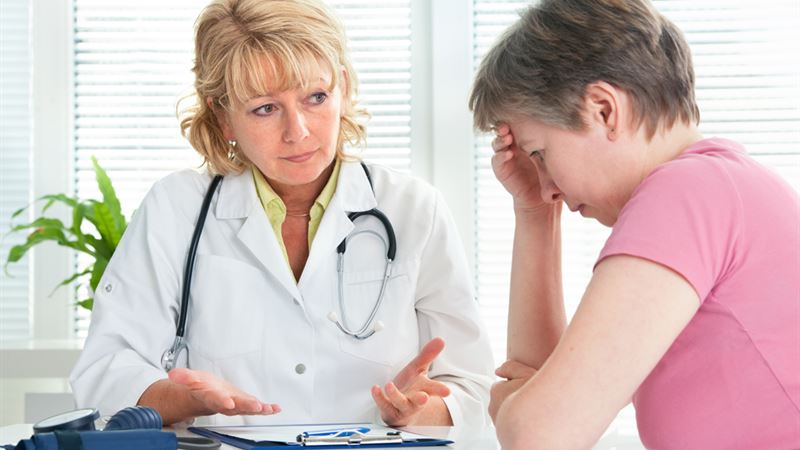
Spinal stenosis predominantly affects older adults, but it can occur at any age due to genetic factors, injuries, or other health conditions. The process involves a gradual narrowing of the spinal canal, often resulting from degenerative changes associated with aging, such as osteoarthritis, herniated discs, or thickening of ligaments. Recognizing the early signs and understanding the detailed mechanisms can assist in timely diagnosis and appropriate intervention.
Understanding the Types of Spinal Stenosis
Spinal stenosis can be classified based on the location along the spine where narrowing occurs. The two most common types include lumbar stenosis and cervical stenosis, each presenting unique symptoms and treatment challenges.
- Lumbar Spinal Stenosis: This type affects the lower back region. It is the most common form of spinal stenosis and predominantly affects individuals over 50 years old. The narrowing compresses the nerve roots exiting the spinal cord in the lumbar region, leading to symptoms such as lower back pain, numbness, tingling sensations, and weakness in the legs. Patients often experience pain during walking or standing and find relief when sitting or bending forward.
- Cervical Spinal Stenosis: This occurs in the neck region and can lead to more severe neurological symptoms. The compression of the cervical spinal cord may produce pain and neurological deficits in the arms, hands, shoulders, or even the legs. In some cases, severe cervical stenosis may cause myelopathy—a condition characterized by difficulty in coordination, balance issues, and even bladder or bowel dysfunction.
Causes and Risk Factors of Spinal Stenosis
The development of spinal stenosis stems from a combination of age-related degenerative changes and other factors. Common causes include:
- Osteoarthritis: The breakdown of cartilage in the facet joints can lead to bone spurs, which encroach into the spinal canal.
- Herniated Discs: Displacement of disc material can contribute to narrowing of the spinal space.
- Thickening Ligaments: Ligaments that support the spine can become enlarged and impinge on the spinal canal.
- Congenital Conditions: Some individuals are born with a naturally narrow spinal canal, increasing susceptibility.
- Trauma or Injury: Fractures or dislocations can cause structural changes that lead to stenosis.
- Tumors or Abnormal Growths: These can exert pressure on the spinal cord or nerves.
Several risk factors contribute to the likelihood of developing spinal stenosis, including advanced age, obesity, lack of physical activity, previous spinal injuries, or repetitive strain from certain occupations or sports.
Recognizing Symptoms of Spinal Stenosis
Early detection of symptoms is critical for managing spinal stenosis effectively. The manifestation of symptoms can vary depending on the severity and location of the narrowing. Common indicators include:
- Pain that is intermittent, often sharp, and tends to occur during specific activities or postures.
- Discomfort that reduces or alleviates when resting or lying down, especially in positions that flex the spine forward.
- Weakness, numbness, or tingling sensations in the legs, arms, or other affected areas.
- Balance disturbances or coordination problems, particularly in severe cases involving cervical stenosis.
- In advanced cervical stenosis, symptoms like difficulty swallowing or breathing may occur if the spinal cord compression is significant.
Diagnostic Procedures for Spinal Stenosis
Diagnosing spinal stenosis requires a combination of a thorough clinical examination and imaging studies. Your healthcare provider may recommend the following:
- Physical Examination: Assessing reflexes, muscle strength, sensation, and coordination to determine nerve involvement.
- Imaging Tests: Magnetic Resonance Imaging (MRI) provides detailed images of soft tissues, revealing nerve compression and structural abnormalities. Computed Tomography (CT) scans can also be used, especially if MRI is contraindicated.
- X-rays: These can show bony changes, degeneration, and other structural issues contributing to the stenosis.
- Electromyography (EMG): This test evaluates nerve and muscle function to gauge the extent of nerve damage.
Accurate diagnosis facilitates tailored treatment plans and prevents further nerve damage.
Conventional and Natural Treatment Strategies
Managing spinal stenosis involves a multidisciplinary approach, combining medical interventions, physical therapy, lifestyle modifications, and, in severe cases, surgical procedures. The goal is to alleviate pain, improve mobility, and prevent progression.
Non-Surgical Treatments
- Physical Therapy: Customized exercises and manual therapy can strengthen supporting muscles, improve flexibility, and reduce nerve pressure. Techniques include stretching, lumbar stabilization exercises, and postural training.
- Activity Modification: Adjusting daily routines can lessen symptoms. Patients are advised to avoid activities that exacerbate pain, such as prolonged standing, heavy lifting, or repetitive bending.
- Postural Support and Ergonomics: Using supportive chairs, ergonomic desk setups, and proper body mechanics reduces strain on the spine.
- Medications: Short-term use of anti-inflammatory drugs, analgesics, or nerve pain medications may help manage symptoms. In some cases, corticosteroid injections directly into the epidural space provide temporary relief.
Natural and Complementary Therapies
- Acupuncture: This traditional Chinese technique can help relieve pain and improve function.
- Herbal Supplements: Certain herbal remedies may have anti-inflammatory properties, but always consult a healthcare professional before use.
- Yoga and Mindfulness: Gentle yoga exercises and relaxation techniques can reduce stress and improve spinal flexibility.
Interventional and Surgical Options
When conservative measures fail or neurological deficits worsen, surgical intervention becomes necessary. Common procedures include:
- Decompression Surgery: Removing bone spurs, herniated discs, or thickened ligaments to relieve nerve compression.
- Laminectomy: Removing part of the vertebra called the lamina to create more space in the spinal canal.
- Spinal Fusion: Stabilizing the spine using hardware and bone grafts after decompression, especially when instability exists.
Surgical procedures carry inherent risks, but with advances in minimally invasive techniques and proper patient selection, outcomes are generally positive. It is imperative to discuss all options with your healthcare provider and seek multiple opinions before proceeding.
Preventive Measures and Lifestyle Adjustments
Prevention plays a vital role in reducing the risk of developing spinal stenosis. Maintaining a healthy weight, engaging in regular low-impact exercise, and practicing good posture can make a significant difference. Proper ergonomics in daily activities and avoiding repetitive strain are also essential. Early intervention at the first signs of discomfort can prevent progression.
When to Seek Medical Attention
If you experience persistent back or neck pain accompanied by numbness, weakness, difficulty walking, or loss of coordination, consult a healthcare professional promptly. Timely diagnosis and management can prevent irreversible nerve damage and improve overall quality of life.
Understanding the complexities of spinal stenosis, from its causes to the latest treatment options, empowers patients to make informed decisions. Whether through conservative therapies or surgical interventions, a personalized approach tailored to individual needs ensures the best possible outcomes. Always consult your healthcare provider for an accurate diagnosis and suitable treatment plan, and remember that early management is key to maintaining a healthy and active life.