This comprehensive guide provides in-depth insights into the causes of lower back pain, including disc herniation and sciatica, and offers effective treatment options such as physical therapy, exercises, and psychological strategies. Emphasizing prevention and self-care, it helps readers understand how to manage and alleviate lower back discomfort for better mobility and health.
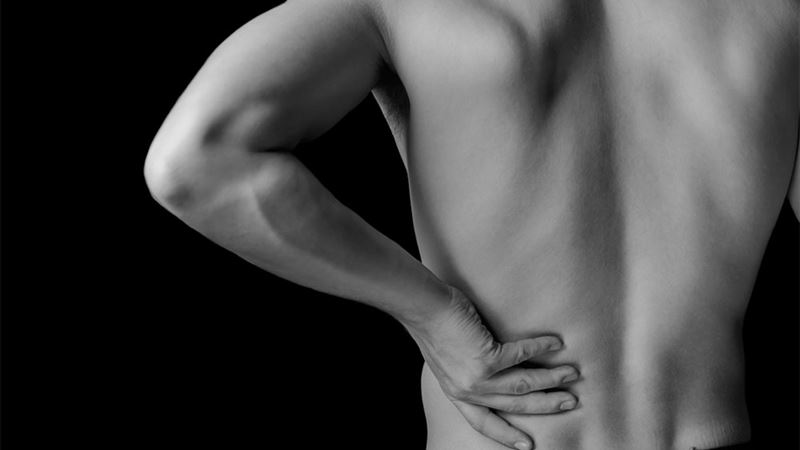
Lower back pain is one of the most common health complaints affecting millions worldwide. The intricate structure of the lumbar spine, including vertebrae, intervertebral discs, facet joints, ligaments, and muscles, work together to facilitate movement and support the body’s weight. Any dysfunction or injury in these components can result in discomfort and limit mobility. Understanding the underlying causes is essential for managing and preventing lower back pain effectively.
Our lumbar spine's health depends heavily on the harmonious functioning of bones, discs, surrounding ligaments, and muscles. Proper alignment and muscle balance are critical to maintaining a healthy back. When muscles become tight, weak, or unbalanced, they place abnormal stress on bony structures and discs, leading to pain and dysfunction. Factors such as poor posture, sedentary lifestyles, injuries, and degenerative changes can disrupt this equilibrium, precipitating lower back issues. It’s important to recognize that back pain is often multifactorial, arising from a combination of mechanical, neurological, and degenerative factors.
Common Causes of Lower Back Pain
Lower back pain can stem from various underlying causes, often involving strain, injury, or degenerative changes within the lumbar spine. Among the most prevalent reasons are disc herniation, facet joint arthritis, muscle strains, ligament sprains, and nerve compressions.
Intervertebral Disc Herniation
One of the leading contributors to lower back discomfort is a herniated disc. Discs act as shock absorbers between the vertebrae, composed of a soft, gel-like nucleus pulposus encased in a sturdy fibrous ring called the annulus fibrosus. When excessive pressure or injury causes the disc to bulge or rupture, the nucleus can protrude outward, pressing against nearby nerves. This compression often results in persistent pain, numbness, and weakness radiating along the affected nerve pathways.
For instance, in the lumbar region, a herniated disc may compress nerve roots emerging from the spinal cord, leading to symptoms characteristic of sciatica, including pain radiating down the leg. Proper diagnosis through imaging, such as MRI, is vital to confirm the herniation and guide treatment planning.
Sciatica is a common consequence of nerve compression caused by herniated discs. When the sciatic nerve, the longest nerve in the body, is affected, affected individuals may experience sharp, burning pain along with tingling, numbness, and muscle weakness in the buttocks, thighs, calves, and feet. This condition often worsens with certain movements, coughing, or prolonged sitting. Understanding the symptoms and seeking early intervention can help in managing sciatica effectively.
Effective Treatment Approaches
Managing lower back pain involves a combination of medical interventions, physical therapy, lifestyle modifications, and, in some cases, surgical procedures. The goal is to reduce inflammation, alleviate pain, restore mobility, and prevent recurrence.
Initial treatments typically include pain relievers, anti-inflammatory medications, and physical therapy. Physical therapy focuses on exercises that improve flexibility, strengthen core muscles, and correct posture. It’s essential to work with healthcare professionals to identify the most suitable exercises tailored to individual needs.
The McKenzie Method
This technique is a well-known approach for alleviating disc-related back pain. It involves specific extension exercises performed in positions that reduce disc pressure, such as lying prone. Repeated extension movements help re-center the disc nucleus and stretch stiff muscles, leading to decreased nerve compression and pain relief. Over time, these exercises encourage better spinal alignment and reduce symptoms of radiculopathy.
Importance of Strengthening and Flexibility Exercises
Regular exercise plays a pivotal role in preventing and managing lower back pain. Strengthening core muscles—involving the back, abdomen, and hips—provides better support for the lumbar spine. Stretching exercises can also alleviate muscle tightness that contributes to abnormal spinal mechanics. Incorporating a comprehensive back exercise regimen into daily routines improves posture, enhances flexibility, and minimizes the risk of injury.
Psychological Techniques and Pain Management
Chronic back pain is often influenced by emotional health. Cognitive-behavioral therapy (CBT), relaxation strategies such as meditation, and stress reduction techniques can significantly impact pain perception. These methods help modulate the brain’s response to pain signals, reducing the intensity and frequency of discomfort. Understanding the neurological pathways involved in pain processing can empower patients to control their symptoms better.
Research indicates that stress, depression, and anxiety can amplify pain sensations, while a positive mindset and active participation in therapy promote recovery. Therefore, integrating psychological support into treatment plans is increasingly recognized as essential for comprehensive back pain management.
Key Strategies for Managing Lower Back Pain
Recovery often demands a multidisciplinary approach. It is crucial to adhere to prescribed medications, participate in physical therapy, engage in appropriate exercises, and incorporate relaxation practices into daily life. Avoiding prolonged bed rest and maintaining proper posture during daily activities are equally important.
While immediate pain relief is desirable, patience and consistency are vital. The benefits of treatment may take time to manifest, especially in chronic cases. Regular follow-up with healthcare providers ensures adjustments to treatment plans, optimizing outcomes.
In conclusion, lower back pain is a complex condition that requires a holistic approach for effective management. By understanding the causes, adopting targeted exercises and therapies, and maintaining a healthy lifestyle, individuals can reduce pain, improve function, and enhance their quality of life.
