
Comprehensive Guide to Contact Lenses: Choosing the Perfect Fit for Your Eyes
Discover the comprehensive guide on various types of contact lenses, including daily, weekly, extended wear, and specialized options for specific eye conditions. Learn how to choose the best lenses suited for your lifestyle and eye health from expert advice. Prioritize safety and comfort with the right lens choice, keeping your eyes healthy and vision clear. This detailed article provides essential insights to help you make informed decisions for long-term eye wellness and visual clarity.
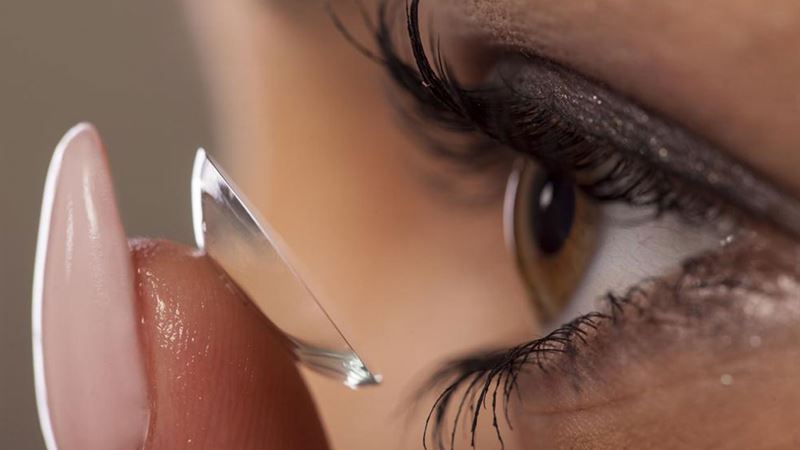
Understanding the variety of contact lenses available is the first step toward successful vision correction. Contact lenses are designed with specific purposes in mind, ranging from daily use to long-term wear, with features catered to different eye conditions and sensitivities. Whether you need lenses for everyday wear, sports, or specific vision problems such as astigmatism or presbyopia, there is a perfect option for you. Additionally, advancements in contact lens technology have led to the development of lenses that improve comfort, oxygen permeability, and eye hydration, reducing the risk of complications and infections.
Types of Contact Lenses Based on Usage
Choosing the right contact lens depends heavily on your lifestyle, eye health, and personal preferences. Here’s a comprehensive overview of the major types of lenses categorized by usage.
- Daily Disposables: Ideal for individuals who prefer hassle-free maintenance, daily disposables are designed for single-use only. They provide fresh, clean lenses every day, which significantly reduces the risk of bacterial buildup and eye infections. Perfect for sporadic wearers or those with sensitive eyes, these lenses eliminate the need for cleaning solutions and storage routines. They are also highly recommended for travelers and individuals with allergies.
- Weekly and Bi-weekly Disposables: These lenses are reusable and need to be disinfected and stored properly after each use. They typically last from one to two weeks with proper care. Although they require more maintenance than daily lenses, they are cost-effective and environmentally friendly for occasional or regular users. It's essential to adhere strictly to cleaning protocols to prevent eye health issues.
- Monthly and Longer-Term Reusable Lenses: Designed for long-term wear, these lenses can be used for up to a month with diligent cleaning and disinfecting. They are suitable for individuals who want the convenience of wearing lenses for extended periods while minimizing the frequency of replacements. Regular check-ups are necessary to ensure the lenses remain in good condition and do not cause irritation or infections.
- Extended Wear and Continuous Use Lenses: For those who prefer to keep their lenses on continuously, even overnight, extended wear lenses provide the convenience of 24/7 wear for up to 30 days. These lenses are made from specialized materials allowing higher oxygen permeability, reducing the risk of hypoxia (oxygen deficiency). However, sleep-related wearing increases the risk of complications; therefore, consultation with your eye care professional is essential before opting for this type of lens.
Specialized Contact Lenses for Specific Eye Conditions
Beyond basic vision correction, contact lenses are also crafted for addressing particular eye health issues and visual impairments. Here are some specialized options.
- Toric Lenses for Astigmatism: Astigmatism causes distorted or blurred vision due to an irregularly shaped cornea. Toric lenses are specially designed with different powers in various orientations to correct this condition effectively. They stay in place better than standard spherical lenses, providing clearer vision for individuals with astigmatism.
- Multifocal and Bifocal Lenses: These lenses are perfect for individuals with presbyopia, a common age-related condition where the ability to focus on near objects diminishes. Multifocal lenses incorporate multiple zones with different prescriptions, allowing seamless vision at various distances without switching glasses. They are available in both soft and rigid gas-permeable materials, offering comfort and versatility.
- Prosthetic and Cosmetic Lenses: For people with disfigurements or those seeking aesthetic enhancement, prosthetic and cosmetic contact lenses provide a natural-looking appearance or special effects. These lenses can correct or hide eye color issues, scars, or other abnormalities and require professional fitting and care.
- High Oxygen Permeability Lenses: For individuals with dry or sensitive eyes, lenses made from advanced materials that allow higher oxygen flow are preferable. These lenses help maintain eye health by reducing dryness, irritation, and hypoxia, making them suitable for prolonged wear.
Factors to Consider When Choosing Contact Lenses
Making the right choice of contact lenses involves evaluating multiple factors to ensure comfort, safety, and effectiveness. Here are critical aspects to keep in mind:
- Eye Health and Condition: Consulting an eye care professional is essential to determine your specific needs. Your eye type, existing conditions, and allergies influence the best lens choice.
- Lifestyle and Daily Routine: If you lead a busy or active lifestyle, daily disposables or extended wear lenses might offer more convenience. Consider your ability to maintain proper hygiene and care routines.
- Comfort and Breathability: Look for lenses made from materials that promote oxygen permeability and moisture retention, reducing dryness and irritation.
- Cost and Maintenance: Weekly and monthly lenses require cleaning and care routines, which may be more cost-effective over time but demand diligence. Daily lenses are more convenient but can be more expensive over time.
- Eye Safety: Regular check-ups and proper hygiene practices are vital, regardless of the lens type. Never compromise on quality or doctor recommendations to protect your eye health.
Conclusion: Make an Informed Decision for Healthy Eyes
The variety of contact lenses available today ensures that virtually everyone can find a solution tailored to their visual needs and lifestyle. From daily disposables perfect for occasional use to specialized lenses for specific eye conditions, the options are extensive. However, it is imperative to prioritize eye health by consulting with an eye care professional before making your selection. Proper fitting, regular eye examinations, and diligent maintenance are the keys to enjoying comfortable and safe contact lens wear for years to come. Be proactive about your eye health, and choose the lens that best fits your life.