
Understanding Joint Pain: Causes, Symptoms, and Effective Treatment Options
Discover comprehensive insights into joint pain, including common causes like sprains, bursitis, osteoarthritis, and autoimmune disorders. Learn about symptoms, diagnosis, and a variety of effective treatment options—from home remedies to surgical interventions. Preventative tips and lifestyle modifications are also discussed to help maintain joint health. This detailed guide aims to empower readers with knowledge to manage and prevent joint discomfort effectively, improving quality of life and preserving joint function over time.
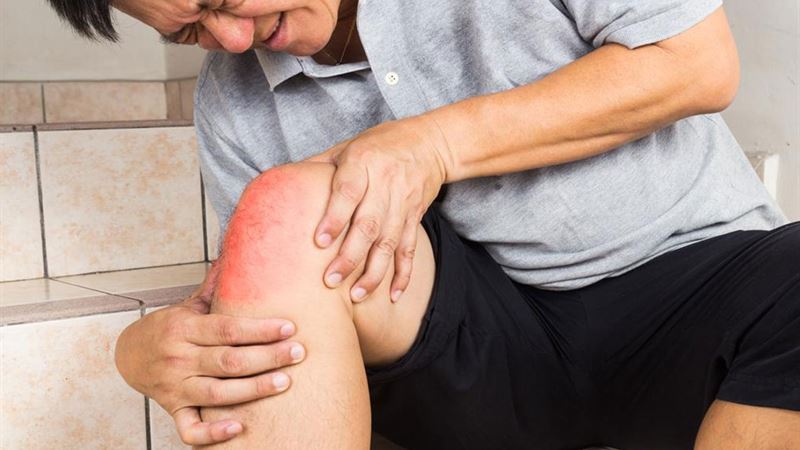
Joint discomfort is a common health concern that can impact individuals of all ages, leading to a significant decline in quality of life if not managed properly. The complexity of joint pain arises from its diverse causes, ranging from minor injuries to chronic conditions. This comprehensive guide aims to shed light on the various causes of joint pain, how to identify its symptoms, and the most effective treatment strategies to alleviate discomfort and restore mobility.
Joint pain, also known as arthralgia, involves pain or inflammation affecting one or multiple joints simultaneously. It can arise from a variety of factors, including injury, degenerative diseases, infections, or autoimmune disorders. Recognizing the root cause is crucial to implementing the appropriate treatment plan. This article explores the common origins of joint pain, such as sprains, bursitis, and systemic conditions like rheumatoid arthritis and osteoarthritis. We also discuss the importance of accurate diagnosis, early intervention, and lifestyle modifications to manage symptoms effectively.
Common Causes of Joint Pain
Sprains and Strains
One of the most frequent reasons for acute joint pain is experiencing a sudden injury, such as a sprain or strain. A sprain occurs when ligaments—tough bands that connect bones—are stretched or torn due to excessive force or awkward movements. Strains involve overstretching or tearing muscles or tendons surrounding the joint. These injuries often result from accidents, sports activities, or falls. Immediate treatment involves rest, elevating the affected limb, and applying ice packs to reduce swelling and pain. If untreated, sprains or strains can lead to chronic instability or persistent discomfort, stressing the importance of prompt care.
Bursitis
Bursae are small fluid-filled sacs located between bones, tendons, and muscles that serve as cushions to facilitate smooth joint movements. When these sacs become inflamed, often due to repetitive movements, overuse, or injury, bursitis develops. Commonly affected joints include the shoulders, elbows, and hips. Symptoms include swelling, warmth, tenderness, and increased pain during movement. Treatment focuses on relieving inflammation through physiotherapy, corticosteroid injections, and NSAIDs. Proper rest and avoiding aggravating activities are vital to prevent recurrence and ensure recovery.
Osteoarthritis
Osteoarthritis, a degenerative joint disease, results from the gradual breakdown of cartilage—the protective tissue covering the ends of bones within a joint. This degeneration leads to bone-on-bone contact, causing pain, stiffness, and reduced joint function. It primarily affects weight-bearing joints such as knees, hips, and ankles but can also impact smaller joints like the fingers. Risk factors include aging, obesity, joint injuries, and repetitive stress. Management involves physical therapy, weight management, pain relievers, and, in severe cases, surgical intervention.
Rheumatoid Arthritis and Autoimmune Disorders
Unlike degenerative conditions, autoimmune diseases like rheumatoid arthritis (RA) involve the immune system attacking the joints' synovial membranes. This results in inflammation, swelling, and deformity if left untreated. RA often affects multiple joints symmetrically and can lead to systemic symptoms such as fatigue and fever. Early diagnosis through blood tests and imaging is essential. Treatments include disease-modifying antirheumatic drugs (DMARDs), biologic agents, and physical therapy to control inflammation and prevent joint destruction.
Infections
Infectious arthritis occurs when bacteria, viruses, or fungi invade the joint space, leading to intense pain, swelling, and warmth. Prompt medical attention and antibiotic or antifungal therapy are crucial for effective management. Infections can result from skin infections, puncture wounds, or bloodstream spread, highlighting the importance of infection control and hygiene.
Recognizing the Symptoms
Joint pain presents with various symptoms depending on its cause. Common signs include persistent dull ache, sharp or stabbing sensations, swelling, redness, warmth around the joint, stiffness, and decreased range of motion. Some conditions may also cause systemic symptoms such as fatigue, fever, or general malaise. Noticing these signs early can facilitate timely diagnosis and treatment, minimizing long-term damage.
Effective Treatment Strategies
Home Remedies and Lifestyle Changes
Initially, many cases of joint pain can be managed with self-care measures. Applying ice packs can reduce swelling and numb pain, especially after acute injuries. Resting the affected joint prevents further injury, while elevating it above heart level discourages fluid buildup. Maintaining a healthy weight alleviates undue stress on weight-bearing joints, which is particularly beneficial in osteoarthritis management. Incorporating gentle exercises under professional supervision can strengthen muscles around the joints, enhancing stability and mobility.
Medications
Over-the-counter pain relievers such as NSAIDs (ibuprofen, naproxen) help reduce inflammation and discomfort. For chronic or severe cases, doctors may prescribe corticosteroids to control inflammation swiftly. Disease-modifying drugs are crucial for autoimmune conditions like RA, aiming to slow disease progression. Topical analgesics, hyaluronic acid injections, and other medications can offer additional relief tailored to specific diagnoses.
Physical and Occupational Therapy
Physiotherapy plays a vital role in restoring joint function. Customized exercises improve flexibility, strength, and stability of affected joints. Occupational therapy can teach adaptive techniques for daily activities, reducing strain and preventing further injury. Regular sessions with trained therapists ensure optimal recovery and help maintain long-term joint health.
Surgical Interventions
In cases where conservative treatments fail, surgical options may be considered. Procedures include joint debridement, synovectomy, or total joint replacement, especially in advanced osteoarthritis or severe injuries. Surgery aims to alleviate pain, improve joint function, and enhance quality of life. Postoperative rehabilitation is critical for successful outcomes.
Preventive Measures and Tips
Preventing joint pain involves proper body mechanics, maintaining a healthy weight, and avoiding repetitive stressful activities. Regular low-impact exercise, adequate warm-up routines, and proper ergonomics during work can reduce injury risks. Wearing supportive footwear and protective gear during sports further minimizes trauma. Early treatment of injuries and prompt medical consultation for persistent pain are essential for preventing chronic joint issues.
In summary, understanding the underlying causes of joint pain and implementing a comprehensive treatment approach can significantly improve symptoms and enhance mobility. Always consult healthcare professionals for personalized diagnosis and management plans to ensure effective and safe recovery.