
Comprehensive Guide to Psoriasis: Types, Causes, and Treatment Strategies
Explore the comprehensive overview of psoriasis, including its various types, causes, symptoms, and advanced management options. Understand how different psoriasis forms impact the skin and overall health, and discover effective treatments to improve quality of life. With detailed insights, this guide helps patients and caregivers navigate this complex skin condition with confidence and clarity.
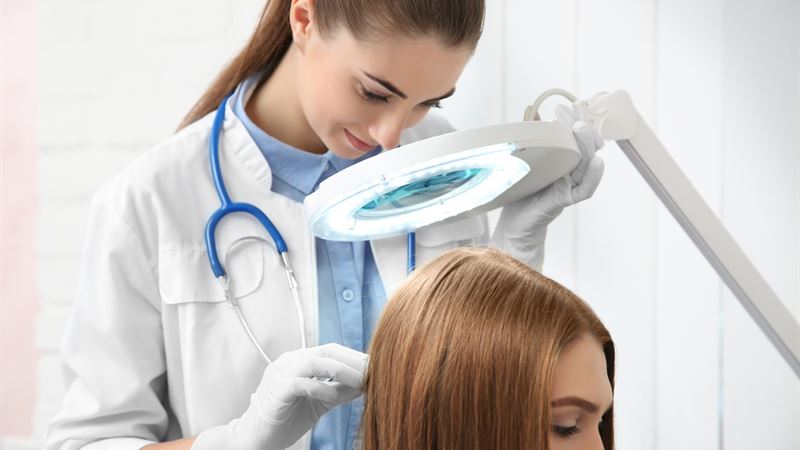
Psoriasis is a complex chronic skin condition that, while not contagious, is inheritable and currently has no known cure. It often gets mistaken for simple skin irritations but actually involves underlying immune system dysfunction and can significantly impact overall health. Being aware of its nature is important in managing symptoms and preventing complications. Psoriasis can be a mild nuisance or a severe condition affecting a considerable part of the body, leading to discomfort and emotional distress. Moreover, this condition is linked to other serious health issues, such as cardiovascular disease, diabetes type 2, and psoriatic arthritis.
Many individuals believe psoriasis solely involves skin symptoms; however, it originates within the skin layers and immune response mechanisms. Its presentation varies greatly from person to person, influenced by genetic, environmental, and lifestyle factors. Despite the lack of a definitive cure, various treatment approaches are available to control symptoms, improve quality of life, and reduce flare-ups. These treatments range from topical applications and phototherapy to systemic medications and biologics, tailored according to the severity and type of psoriasis diagnosed.
Understanding the different types of psoriasis is crucial since each form has unique characteristics and treatment strategies. Recognizing the specific type can help in choosing effective therapies and in managing expectations better. Here’s an in-depth look at the most commonly recognized types of psoriasis, their symptoms, underlying causes, and typical treatment options:
- Plaque Psoriasis: This is by far the most prevalent form, accounting for about 80-90% of psoriasis cases. Its hallmark features include raised, red patches covered with a silvery-white scale. These patches—known as plaques—can develop anywhere on the body, including the scalp, elbows, knees, and lower back. The severity ranges from minor patches to extensive coverage, sometimes causing significant discomfort, itching, or burning sensations. In some cases, plaques can crack or bleed, especially if scratched. The appearance is often a key identification factor, but the disease is also noted for its potential to affect the mouth or genital area, which may be particularly distressing for patients.
- Inverse or Flexural Psoriasis: This form occurs in body folds and areas where the skin is not exposed to the air, such as the groin, underarms, behind the knees, and under the breasts. Unlike plaque psoriasis, inverse psoriasis presents as shiny, smooth red patches without the scaling typical of plaque psoriasis. This type is sometimes mistaken for fungal infections or dermatitis because of its appearance. Inverse psoriasis can cause considerable discomfort and is often resistant to common antifungal treatments, necessitating specific medical interventions tailored for skin folds.
- Erythrodermic Psoriasis: Considered the most severe and potentially life-threatening form, erythrodermic psoriasis involves widespread redness, scaling, and shedding of the skin across large areas of the body. It can disrupt body temperature regulation, lead to fluid loss, and increase the risk of infections. The skin becomes intensely inflamed, painful, and itchy. This condition often arises suddenly and can be triggered by infection, withdrawal from systemic medications, trauma, or severe stress. Medical emergency management is usually required to stabilize the patient, involving hospitalization, fluids, and systemic therapies.
- Pustular Psoriasis: Characterized by white pustules (small blisters filled with non-infectious pus) surrounded by inflamed skin, this type can affect localized areas—such as the hands and feet—or sometimes spread over extensive parts of the body. Pustular psoriasis typically develops rapidly and may be accompanied by fever, chills, malaise, and rapid heartbeat. The severity varies from mild, with small areas affected, to generalized pustular psoriasis, which can be life-threatening. Specific subtypes include acropustulosis (affecting fingertips and toes), palmoplantar pustulosis (affecting the palms and soles), and von Zumbusch psoriasis, a severe, rapidly progressing form requiring immediate medical attention.
- Guttate Psoriasis: Accounting for about 10-15% of cases, guttate psoriasis appears as tiny, drop-shaped spots on the skin. It often occurs suddenly following bacterial infections such as streptococcal sore throat. The lesions are usually small, discrete, and scattered, primarily affecting the trunk, limbs, and scalp. Guttate psoriasis tends to affect both children and adults and may resolve spontaneously or require treatment to clear the skin and manage symptoms.
- Nail Psoriasis: Although not classified as a separate type, nail psoriasis is a noteworthy manifestation, affecting about 50% of psoriasis patients. It involves changes in fingernails and toenails, including pitting, discoloration (yellow-brown spots), abnormal nail growth, and separation of the nail from the nail bed (onycholysis). Nail psoriasis can significantly impair hand function and cause emotional distress due to its visible appearance. Treatment includes topical agents, systemic therapies, and sometimes injections directly into the nail bed for stubborn cases.