
Comprehensive Guide to Psoriasis: Types, Causes, and Management Strategies
This extensive guide explores psoriasis in detail, covering its causes, various types, symptoms, related health risks, and modern treatment options. Understanding these facets is vital for effective management and improved quality of life for sufferers of this chronic skin condition. The article emphasizes the importance of personalized care, early diagnosis, and staying updated on emerging therapies to control psoriasis and prevent complications.
Understanding Psoriasis: An In-Depth Exploration
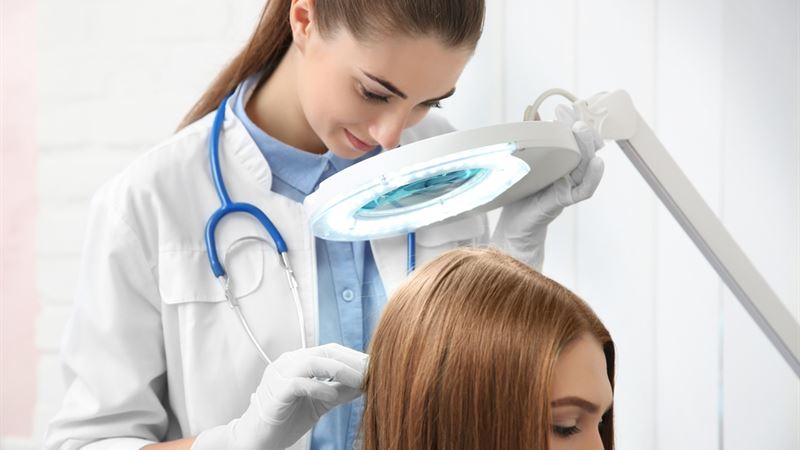
Often underestimated as a mere skin issue, psoriasis involves immune system dysfunction that starts within the body and manifests externally. It is characterized by periods of exacerbations and remission, which can be unpredictable and vary greatly from person to person. The disease can develop at any age but is most commonly diagnosed in young adults and middle-aged individuals. Moreover, psoriasis has been linked with other serious health conditions such as cardiovascular disease, metabolic syndrome, Type 2 diabetes, and psoriatic arthritis. Studies report that approximately 15% of psoriasis sufferers develop psoriatic arthritis, a painful inflammatory joint condition that can cause joint damage if left untreated. Recognizing the link between psoriasis and other systemic conditions is crucial for early diagnosis and holistic management.
Despite the challenges, advances in dermatology have provided a spectrum of treatments to help control psoriasis symptoms effectively. These include topical therapies, phototherapy, systemic medications, and biologic agents tailored to the severity and type of psoriasis. Understanding the different types of psoriasis is essential in choosing the most appropriate treatment plan and prognosis. This guide provides detailed information on each type, helping patients and healthcare providers to navigate the complex landscape of psoriasis management.
Comprehensive Overview of Psoriasis Variants
Psoriasis manifests in various forms, each with distinct clinical features, affected areas, severity, and treatment strategies. The diversity in presentation necessitates an understanding of each type to facilitate accurate diagnosis and effective management. Below are the primary categories of psoriasis:
- Plaque Psoriasis (Psoriasis Vulgaris): This is the most prevalent form, accounting for approximately 80-90% of cases. It presents as raised, red patches covered with a silvery-white scale. These plaques are often itchy or may cause discomfort and can appear anywhere on the body, including the scalp, elbows, knees, and lower back. They can vary in size from small spots to extensive patches. Sometimes, these plaques become cracked or bleed, further exacerbating discomfort. The underlying cause involves immune system misregulation triggering rapid skin cell proliferation.
- Inverse or Flexural Psoriasis: Typically appearing in body folds and areas with skin-on-skin contact, such as the groin, underarms, behind the knees, and around the genitals. This type is characterized by smooth, shiny, and inflamed patches without the silvery scale often seen in plaque psoriasis. Its moist environment predisposes it to secondary infections, making management slightly more complex. It can coexist with other psoriasis types, adding to diagnostic challenges.
- Erythrodermic Psoriasis: A severe and rare form, erythrodermic psoriasis involves widespread redness, swelling, and peeling that cover large areas of the skin. It may cause intense itching, pain, and systemic symptoms like fever and chills. This form often develops suddenly, sometimes as a complication of other psoriasis types or abrupt withdrawal from certain treatments. It requires immediate medical attention due to the risk of infection, dehydration, and thermoregulation disturbances.
- Pustular Psoriasis: Marked by the presence of sterile pustules—white, pus-filled blisters—surrounded by red, inflamed skin. It can affect specific areas such as the palms and soles (palmoplantar pustulosis) or be generalized across most of the body. Rapid onset is common, with symptoms including fever, chills, and malaise. Pustular psoriasis is considered severe and often requires aggressive treatment to control outbreaks and prevent complications.
- Guttate Psoriasis: This form appears as small, drop-shaped lesions, usually triggered by bacterial infections like streptococcus. It affects both children and adults and tends to develop suddenly after an illness. Guttate psoriasis often involves the trunk, arms, and legs, causing widespread spotty eruptions that can resolve spontaneously or require therapy.
- Nail Psoriasis: Although not classified as a separate type, nail psoriasis impacts the fingernails and toenails, leading to discoloration (yellow-brown or pitted nails), thickening, and abnormal nail growth. Severe cases may cause nail loosening or separation from the nail bed (onycholysis), increasing susceptibility to infections and impacting daily activities.
In addition to topical treatments and systemic medications, lifestyle modifications—including stress management, proper skin hydration, avoiding triggers, and a healthy diet—play vital roles in controlling psoriasis. Emerging therapies like biologic drugs target specific immune pathways, offering hope for those with resistant or severe forms of the disease. Continuous research and clinical trials are expanding the options available, aiming for better outcomes and improved quality of life for patients.
The journey with psoriasis involves understanding its dynamics, adopting tailored management strategies, and maintaining a proactive approach. Patients are encouraged to work closely with dermatologists, develop a comprehensive care plan, and stay informed about evolving treatment modalities.