
Comprehensive Guide to the Implementation of Preschool Curriculums
This comprehensive guide explores how preschool curriculums are implemented, emphasizing the vital roles of teachers, the varied schedules, engaging activities, and the importance of play-based learning. Discover how early childhood education fosters social, emotional, and cognitive growth through structured and playful experiences that prepare children for future educational success.
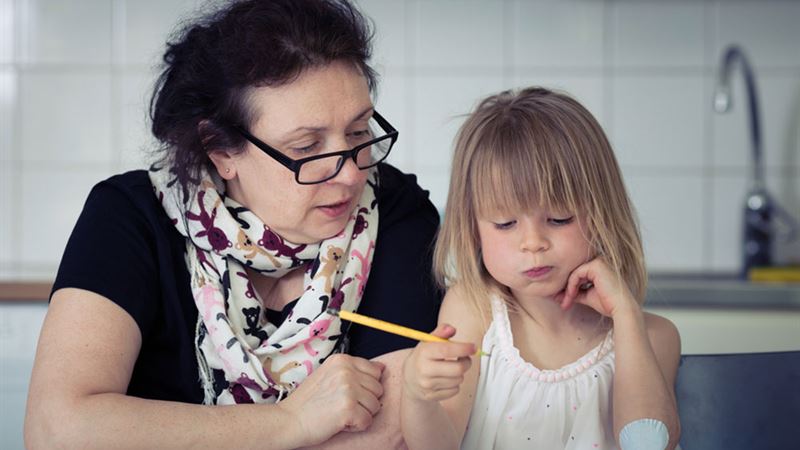
The Crucial Role of Educators in Preschool Education
At the heart of every successful preschool program are dedicated teachers who play a pivotal role in shaping young minds. The responsibilities and approaches of preschool educators vary widely depending on the curriculum they follow and the individual needs of their students. Some teachers serve as facilitators, guiding children through learning experiences, while others adopt a nurturing, almost parental role, providing emotional and social support. When working with children with special needs, teachers often assume multiple roles—educator, caregiver, and supporter—to address unique developmental requirements. For curricula emphasizing academics, teachers implement structured lesson plans, assessments, and progress tracking to monitor each child's growth and adapt strategies accordingly. The skills of these educators are instrumental in fostering a positive learning environment where curiosity and enthusiasm flourish.
Determining the Length of Preschool Days
The duration of a preschool child's day varies significantly based on the institution's curriculum and policies. Some private preschools operate for just a few hours daily, focusing on core developmental activities and rest periods, making it suitable for young children with limited attention spans. Conversely, many public preschools or extended-day programs run for longer periods—sometimes covering the entire working day—to accommodate parental schedules and promote comprehensive development. Extended preschool hours often include structured learning, play, meal times, rest, and social activities, all designed to support early childhood development stages. Parents seeking flexible schedules must evaluate the length and structure of preschool programs to choose the best fit for their child's needs and family routines.
Integrating Activities for Effective Learning
Preschool curriculums are inherently different from traditional schooling due to the age and developmental stages of children. An effective preschool program emphasizes engaging, developmentally appropriate activities that promote various areas of growth. During the day, children participate in a rich tapestry of activities: collaborative group projects, free play, storytelling sessions, arts and crafts, and musical or movement activities. These activities are carefully designed to challenge children intellectually, socially, and emotionally. Additionally, daily routines incorporate responsibility-building activities, such as tidying up after playtime, preparing simple snacks, or walking in organized lines to teach discipline and cooperation. Such routines not only cultivate independence but also instill essential life skills in young learners.
Learning Through Play: The Foundation of Preschool Education
When observing preschool classrooms from an outsider's perspective, the dominant presence of play and laughter might lead one to underestimate the depth of learning occurring. While play is undeniably central to preschool education, it serves more than just entertainment. Through guided play, children develop critical social skills like sharing, cooperation, empathy, and conflict resolution. Play-based learning stimulates curiosity and helps children internalize concepts like numbers, shapes, language, and scientific thinking in naturalistic contexts. The social interactions fostered during play teach children how to navigate relationships, resolve disagreements amicably, and appreciate diverse perspectives. This holistic approach ensures that early childhood education nurtures not only cognitive development but also emotional intelligence, resilience, and social competence—key ingredients for lifelong success.