
The Crucial Role of Recycling Facilities in Sustainable Waste Management
Recycling centers are vital for sustainable waste management, helping reduce pollution and conserve resources. Widely accessible across the US, they promote responsible waste segregation and community participation. Since 2010, recycling rates have remarkably increased, thanks to improved infrastructure and awareness. Embracing recycling not only benefits the environment but also conserves energy and natural resources, ensuring ecological balance. This comprehensive guide highlights the importance of recycling facilities, community involvement, and the positive impact of waste management practices in building a greener future for society and the planet today and beyond.
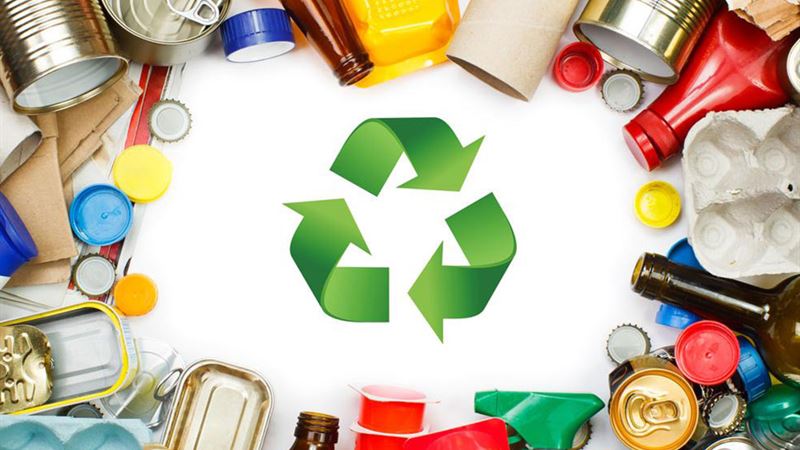
Recycling centers serve as essential pillars in promoting environmental sustainability and community well-being. Contributing to society by properly handling waste not only demonstrates personal responsibility but also encourages others to participate in eco-friendly practices. These facilities, along with collection points, are widely accessible throughout the United States, making it easier for individuals and communities to manage waste responsibly. Many households advocate for segregating waste at the source—placing recyclable items into designated bins and non-recyclables into separate containers—streamlining the process and reducing contamination of recyclable materials. Public recycling stations, marked with clear labels, further facilitate community participation by providing convenient locations for disposing of recyclable waste properly.
Small individual actions can have a significant impact when aggregated across communities. Leading by example, sharing knowledge about proper waste sorting, and supporting local recycling initiatives help foster an eco-conscious mindset. Since 2010, the U.S. has seen substantial improvements in recycling rates. According to reports, recycling was around 34% of total waste in 2010, but by 2017, this figure surged to approximately 68%, showcasing remarkable progress driven by enhancing recycling infrastructure and public awareness. Recycling centers have played a vital role in this success, acting as the backbone of waste diversion efforts. These facilities not only process recyclable materials but also help conserve natural resources, reduce landfill overflow, and minimize environmental pollution. Embracing waste management and recycling practices is a crucial step toward maintaining ecological balance, conserving energy, and protecting future generations. Adapting to these practices may require effort and behavioral change, but the collective benefits make it a worthwhile endeavor for society and the planet. In conclusion, establishing efficient recycling facilities and encouraging community involvement are key components in fostering sustainable waste management systems that benefit both the environment and public health.