
Effective Strategies for Heel Pain Relief and Management
Heel pain can significantly impact daily life, but with proper understanding and treatment, relief is achievable. This comprehensive guide covers the causes, early signs, and a variety of effective treatment options—ranging from medications to physical therapy and surgical options. Recognizing symptoms early and seeking appropriate care can prevent long-term complications, restoring comfort and mobility. Whether your heel pain stems from overuse, injury, or other conditions, learning about management strategies ensures optimal recovery and foot health.
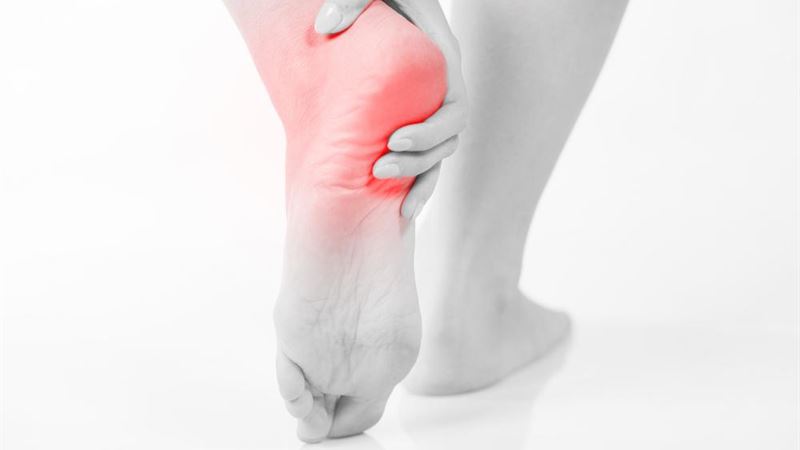
Heel discomfort can often develop gradually, even in the absence of a clear injury to the area. While some heel pain can be mild and manageable, persistent or severe cases require proper attention. Understanding how heel pain begins and the best approaches to treat it is essential for effective recovery.
How Does Heel Pain Develop?
Heel pain typically starts with subtle discomfort that worsens over time, often without any apparent trauma. It commonly manifests when wearing flat or improper footwear. This condition is known as post-static dyskinesia, meaning the pain is more intense after periods of rest, like waking up in the morning or after prolonged sitting throughout the day. Such pain can interfere with daily activities and mobility.
Is Heel Pain a Major Concern?
In small, manageable cases, heel pain isn't usually serious. However, if the pain persists beyond a week, becomes severe, or is accompanied by swelling, redness, fever, or numbness, it’s critical to consult a healthcare professional. These could be signs of underlying issues requiring targeted treatment.
Comprehensive Approaches to Treat Heel Pain
Addressing heel pain effectively involves a combination of self-care measures and medical interventions. Here are some of the most common and proven treatment options:
Non-steroidal Anti-Inflammatory Drugs (NSAIDs): These medications help alleviate pain, reduce fever, and decrease inflammation. They are widely used to manage discomfort associated with heel conditions, providing relief during the acute phase.
Corticosteroid Therapy: When NSAIDs are insufficient, corticosteroids are utilized either as topical applications or injections directly into the affected site. Ultrasound guidance may be employed to ensure precise delivery, enhancing effectiveness and minimizing risks.
Physical Therapy: A dedicated physical therapist can teach specific exercises that stretch the plantar fascia and Achilles tendons. Strengthening exercises for the lower leg muscles improve stability, reduce strain on the heel, and expedite healing.
Night Splints: Wearing night splints during sleep keeps the plantar fascia and Achilles tendons in a lengthened position. This continuous stretch alleviates morning stiffness and prevents the tendons from tightening overnight.
Orthotic Devices: Custom insoles and supportive footwear help correct biomechanical foot faults, distribute pressure evenly, and provide cushioning. These aids are invaluable during healing and in preventing future episodes of heel pain.
Extracorporeal Shock Wave Therapy (ESWT): This non-invasive procedure uses sound waves to stimulate tissue regeneration. ESWT is typically reserved for chronic or resistant cases, promoting faster recovery and pain reduction.
Surgical Intervention: As a last resort, surgery involves detaching the plantar fascia from the heel bone. It is reserved for cases where conservative methods have failed, but it carries risks such as potential weakening of the foot arch and other complications.
In summary, understanding the onset and treatment options for heel pain allows for effective management. Combining lifestyle modifications, physical therapy, medications, and, if necessary, surgical procedures can lead to significant relief and return to normal activities. Early detection and appropriate intervention are key to preventing chronic issues and ensuring optimal foot health.