
Comprehensive Strategies for Heel Pain Management and Prevention
This comprehensive guide details the causes, symptoms, and effective treatment and prevention strategies for heel pain. From home remedies to advanced therapies, learn how to manage discomfort, protect your heels, and prevent future issues. Proper footwear, weight management, and prompt medical attention are vital components of heel health, ensuring active and pain-free life.
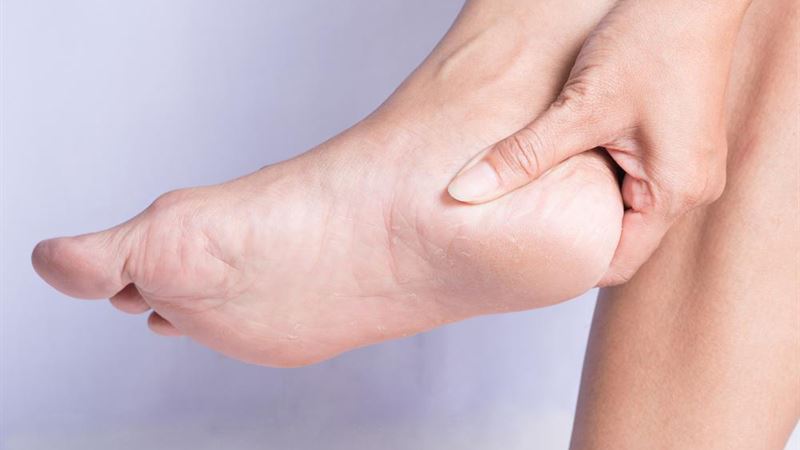
Heel pain is a common discomfort experienced by individuals across various age groups, often resulting from overuse, injury, or certain medical conditions. Recognizing the symptoms early and understanding the appropriate treatment options can significantly improve quality of life and prevent chronic issues. This detailed guide explores the causes, symptoms, treatment methods, and preventive measures associated with heel pain, helping you determine when to seek medical attention and how to effectively manage this condition.
Heel pain manifesting as discomfort or throbbing sensation typically worsens after periods of inactivity, such as waking up in the morning. It often gets better as one begins to move around, but persistent pain or severe symptoms signal a need for medical assessment. Symptoms like difficulty walking, inability to bend the foot downward, or trouble standing on toes are signs of more serious issues that require professional intervention. Identifying the underlying cause early can prevent complications and facilitate faster recovery.
Causes and Symptoms of Heel Pain
Heel pain can arise from numerous causes, including plantar fasciitis, Achilles tendinitis, heel bursitis, heel spurs, or stress fractures. Factors such as prolonged standing, high-impact activities, improper footwear, obesity, or biomechanical abnormalities can contribute to the development of heel pain. Common symptoms include sharp or dull pain in the heel area, swelling, tenderness, and stiffness, especially after waking or prolonged periods of rest. Recognizing these symptoms early allows for timely treatment and can prevent the condition from worsening.
Effective Home Remedies and Care Strategies
If heel pain is mild or moderate, initial home care measures can significantly alleviate discomfort. These techniques are simple, cost-effective, and can often prevent the need for medical intervention if applied promptly:
- Rest and Avoidance of Stressful Activities: Refrain from activities that strain the heel. Limit standing or walking on hard surfaces and avoid high-impact sports until symptoms improve. Giving the heel adequate rest allows inflammation to subside and tissues to heal.
- Application of Ice: Use an ice pack on the painful area for 15-20 minutes, several times a day. Remember to wrap the ice in a cloth to prevent frostbite. Ice reduces swelling and numbs the pain, providing relief especially in acute phases.
- Supportive Footwear: Choose shoes with good arch support, cushioning, and a firm heel counter. Avoid worn-out shoes or those with insufficient support, which can exacerbate heel pain. Athletes and active individuals should prioritize well-structured footwear suited to their activities.
- Use of Heel Supports: Over-the-counter heel cups, insoles, and wedges can help reduce strain and provide additional cushioning. Heel grips and Achilles pads offer temporary relief and improve plantar support, especially during activities.
Preventive Measures to Avoid Heel Pain
Prevention is crucial to maintaining heel health and avoiding recurring pain. Incorporate these practices into your daily routine for proactive care:
- Avoid walking barefoot on hard surfaces: Hard floors increase the impact on heels, leading to strain and injury.
- Maintain a Healthy Weight: Excess weight puts extra pressure on the heels, worsening existing conditions or increasing susceptibility.
- Invest in Quality Footwear: Properly fitted, supportive shoes with cushioning can absorb shocks and reduce stress on the heel structures. Avoid footwear that causes pain or discomfort, and replace worn-out shoes regularly.
- Manage Underlying Conditions: Conditions such as obesity, flat feet, or high arches should be managed under medical supervision to prevent heel pain.
- Warm-Up Before Physical Activities: Proper stretching and warm-up exercises prepare your muscles and tendons, reducing injury risk. Ensure you wear appropriate footwear for each activity.
- Use Supportive Inserts: Cushioning insoles and heel cups can provide additional protection, especially for those prone to heel pain. For severe cases, steroid injections or surgical intervention might be considered under a healthcare professional’s guidance.
Advanced Treatments for Persistent Heel Pain
For persistent or severe heel pain that does not respond to conservative measures, medical treatments may be necessary. Consult a healthcare professional for diagnosis and personalized treatment plans. Advanced options include:
- Medication: Non-steroidal anti-inflammatory drugs (NSAIDs) can help reduce pain and inflammation.
- Physical Therapy: Targeted exercises and therapies can strengthen muscles, improve flexibility, and promote healing.
- Injections: Corticosteroid injections directly into the painful area can offer significant relief in stubborn cases.
- Surgical Procedures: As a last resort, removing heel spurs, repairing damaged tissues, or other surgical interventions may be performed to alleviate pain.
Conclusion
Heel pain, while common, can interfere significantly with daily activities. Recognizing early symptoms, adhering to preventive habits, and applying effective home remedies can manage mild discomfort and prevent escalation. Nevertheless, persistent or worsening pain warrants prompt medical attention to identify underlying issues and explore advanced treatment options. Maintaining supportive footwear, managing weight, and avoiding activities that stress the heel are key to long-term heel health and comfort.